Educational Resources
Timings for govt schools, colleges across Sindh reduced by an hour
In a move underscoring the intersection of education policy and economic reality, the Sindh government h...
TAMFIS NIG LTDRC 8067447CAC ACTIVEFinima, Bonny Island, Rivers State

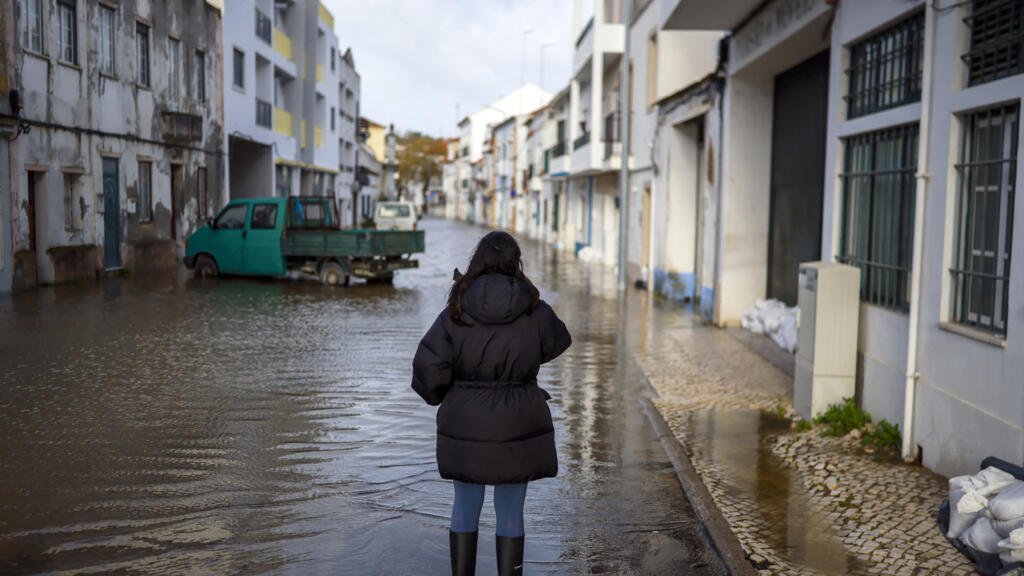
Portugal finds itself grappling with a multifaceted crisis as severe storms, known as Storm Kristin and Storm Leonardo, batter the country just days before the presidential run-off election. Torrential rains, flooding, and powerful winds have inflicted significant damage on infrastructure, disrupted transportation, and caused power outages affecting over a million people. These natural disasters have compounded political tensions in a tight race between centre-left candidate António José Seguro and far-right leader André Ventura. This article examines the extensive storm damage, emergency responses, political implications, and challenges facing voters and authorities as the nation prepares to cast decisive ballots.
In the days leading up to Portugal’s presidential run-off election, the country was struck by two powerful storms, Storm Kristin and Storm Leonardo, which unleashed torrential rains, severe flooding, and damaging winds across central and southern regions. These weather events caused widespread disruption, forcing authorities to declare emergency measures in several municipalities to manage the crisis.
The storms resulted in fatalities, extensive property damage, and significant infrastructure breakdowns. Roads were submerged, bridges weakened, and power grids suffered major outages, affecting over one million residents. Emergency services have been stretched to their limits, working around the clock to rescue stranded individuals and clear debris.
This weather crisis represents one of the most severe natural disasters Portugal has faced in recent years, highlighting vulnerabilities in disaster preparedness and response. The timing of the storms, so close to a pivotal national election, further complicates the country’s recovery and political stability.
The storms caused massive damage to Portugal’s infrastructure, with highways, rail networks, and airports experiencing significant disruptions. Floodwaters washed out key transportation routes, causing delays and cancellations that affected both local commuters and national logistics.
Power outages were widespread, with over a million people temporarily losing electricity due to damaged power lines and substations. Restoration efforts continue, but the scale of destruction means full recovery may take weeks or months in some areas.
Economists warn that the financial impact of the storms could be substantial, with reconstruction costs projected to run into billions of euros. The damage threatens to strain Portugal’s budget balance, potentially affecting public spending and economic growth prospects for the coming years.
Portuguese emergency services, including firefighters, civil protection agencies, and military units, have been mobilized nationwide to tackle the crisis. Their efforts focus on evacuating vulnerable populations, clearing blocked roads, and restoring essential services amidst ongoing adverse weather conditions.
Hospitals in flood-affected regions have reported operational challenges due to increased emergency admissions and communication disruptions. Medical teams are working under pressure to provide care while managing resource shortages caused by infrastructure damage.
Authorities have declared states of calamity in severely impacted municipalities to facilitate rapid response and access to additional funding. Despite these measures, continued rainfall and river flooding pose ongoing risks, complicating recovery efforts and prolonging emergency operations.
The presidential run-off election campaign has been largely disrupted by the unfolding natural disaster. Political rallies and public events have been cancelled or scaled down, as candidates and parties shift focus toward supporting affected communities and emergency efforts.
The election pits centre-left candidate António José Seguro against far-right contender André Ventura, following an inconclusive first round. The storm’s impact has introduced new challenges in maintaining voter engagement and ensuring safe, accessible polling stations across the country.
Election authorities are balancing the need to uphold democratic processes with public safety concerns. Adjustments to voting logistics, including potential postponements in the worst-hit areas, are being considered to accommodate the extraordinary circumstances.
The storm crisis has intensified political disputes between the candidates. André Ventura has criticized the government’s emergency response and called for a nationwide postponement of the election to guarantee equal voting conditions for all citizens impacted by the disaster.
In contrast, António José Seguro has advocated for proceeding with the election, emphasizing the importance of democratic participation despite the difficulties. He has positioned himself as a unifying figure during the crisis, urging voters to fulfill their civic duty.
Portuguese authorities have largely rejected calls for a full election delay, opting instead for limited postponements in the most severely affected municipalities. This approach seeks to balance electoral integrity with public safety, though it remains a contentious issue amid heightened political tensions.
The severe weather and resulting infrastructure damage have raised significant concerns about voter turnout, particularly in rural and flood-affected areas with restricted mobility. Many residents face difficulties reaching polling stations due to submerged roads and transport disruptions.
Local governments have reported communication breakdowns and logistical hurdles in organizing safe voting environments. Some municipalities have formally requested election postponements due to these challenges, highlighting the complexity of conducting elections during a natural disaster.
Political analysts warn that lower turnout in certain regions could skew election results, potentially undermining the perceived legitimacy of the vote. Authorities are implementing contingency plans, including mobile polling units and extended voting hours, to mitigate these risks.
Beyond the immediate crisis, the storms are likely to have lasting effects on Portugal’s political discourse and social cohesion. The disaster has exposed critical infrastructure vulnerabilities and raised questions about government preparedness and crisis management.
The election outcome amid such adversity could shape public trust in political leadership and influence policy priorities related to climate resilience, emergency response, and regional development. Candidates’ handling of the crisis may prove decisive in swaying undecided voters.
Furthermore, the storm highlights broader challenges posed by climate change, emphasizing the need for comprehensive strategies to mitigate future risks. Portugal’s experience may serve as a case study for other nations facing similar threats while navigating democratic processes.
As Portugal moves forward, the dual tasks of recovery and holding a credible presidential election will test national resilience. Emergency services continue to work under pressure, while election authorities coordinate efforts to ensure voter safety and access across the country.
The run-off election remains a pivotal moment, with António José Seguro currently leading in polls despite the challenging environment. The ability of candidates to address citizens’ immediate needs and long-term concerns will be critical in determining the final outcome.
Ultimately, Portugal’s response to this unprecedented storm crisis and its democratic process will reflect the nation’s capacity to overcome adversity and reinforce social solidarity in times of hardship.
Portugal’s confrontation with severe storms just days before its presidential run-off election has underscored the complex interplay between natural disasters and democratic governance. The extensive damage to infrastructure, power outages, and emergency challenges have tested the nation’s resilience and political stability. While debates over election postponement and voter access persist, authorities are striving to uphold the integrity of the electoral process amid extraordinary circumstances. The outcome of this election will not only determine Portugal’s leadership but also shape the country’s approach to managing future crises and fostering national unity. As recovery efforts continue, the resilience demonstrated by emergency services, political actors, and citizens alike will be crucial in navigating the path forward.
Originally reported by france24.com. Adapted for our readers.
Keep reading
Educational Resources
In a move underscoring the intersection of education policy and economic reality, the Sindh government h...
Educational Resources
All eyes are on the FIBA World Cup, but we can't help but think about what's to come in the WNBA....
TAMFIS NIG LTD
Electrical and instrumentation engineering, bid preparation and consulting, IT and software.