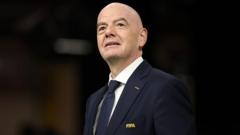
Gianni Infantino Retains FIFA Presidency Amidst Controversy Over Commercial Deal
Gianni Infantino, who has led FIFA since 2016, recently faced significant challenges to his leadership after proposing the sale of FIFA’s commercial and event operations to private investors. This move sparked widespread criticism, including from UEFA and members within FIFA itself. However, after convening an emergency meeting of the FIFA management board in Rabat, Morocco, Infantino received a vote of confidence and will continue as FIFA president. This article explores the background of the controversy, the key criticisms, and what the future might hold for FIFA under Infantino’s leadership.
Gianni Infantino Retains FIFA Presidency Amidst Controversy Over Commercial Deal
Background: Infantino’s Leadership and the Controversial Proposal
Gianni Infantino has been FIFA president since 2016, overseeing the world’s most prominent football governing body through various reforms and expansions. His tenure has seen efforts to modernize the organization and expand the FIFA World Cup, but also periods of internal and external scrutiny.
Recently, Infantino proposed a significant restructuring of FIFA’s commercial and event operations by attempting to sell these units to private investors. This plan, known internally as the FIFA Forward Enterprise proposal, aimed to inject private capital into FIFA’s business activities, potentially reshaping how the organization manages its revenue streams and events. The proposal was framed as a way to modernize FIFA’s financial model and create new opportunities for investment and growth, reflecting a broader trend in sports organizations seeking innovative funding sources. However, the approach raised concerns about transparency, governance, and the potential loss of control over FIFA’s core commercial assets, which are vital to its independence and influence in global football.
Mounting Criticism from UEFA and Internal FIFA Officials
The proposal quickly attracted criticism from key football stakeholders, most notably UEFA, the governing body for European football. UEFA publicly expressed a loss of confidence in Infantino’s leadership, describing the deal as a "shabby, back room, opaque" arrangement. This strong language highlighted UEFA’s concerns about the lack of openness and the potential risks involved in privatizing FIFA’s commercial operations. UEFA’s stance is significant because it represents a major regional football authority openly challenging FIFA’s president, signaling possible fractures within the global football governance structure.
Criticism was not limited to external bodies. Within FIFA, senior officials also voiced disapproval. Mattias Grofstrom, FIFA’s secretary general, sent an internal memo to staff describing the situation as a "sad and reproachable series of events." His comments underscored internal unease about the handling of the proposal and its implications for FIFA’s governance standards. Grofstrom’s position is particularly notable given his role in FIFA’s day-to-day operations and his influence within the organization. The internal dissent revealed tensions among FIFA’s leadership about the direction and transparency of the proposed deal.
The Emergency FIFA Executive Meeting in Morocco
In response to the growing controversy, Infantino called an emergency meeting of FIFA’s management board at the organization’s Africa office in Rabat, Morocco. The meeting was convened to address the concerns raised by UEFA, internal officials, and other stakeholders, and to seek support from FIFA’s senior executives amid the mounting criticism.
Despite the vocal criticism and the pressure from UEFA, the management board, including Mattias Grofstrom, reaffirmed their full support for Infantino’s presidency following the meeting. This endorsement indicates that, at least among FIFA’s internal leadership, Infantino maintains significant backing despite the contentious nature of the proposal. The support from the management board suggests a commitment to continuity in leadership during a challenging period and reflects the complex dynamics within FIFA’s governance where internal alliances can differ from external perceptions.
Implications for FIFA’s Governance and Future Direction
The episode highlights ongoing tensions within FIFA regarding governance, transparency, and the balance between commercial interests and football’s integrity. Infantino’s attempt to privatize key operations demonstrates a willingness to pursue bold financial strategies aimed at modernizing FIFA’s revenue model. However, the backlash reveals the challenges such moves face within the football community, where stakeholders prioritize accountability and the safeguarding of football’s core values.
UEFA’s public loss of confidence signals potential fractures between FIFA and regional football bodies, which could complicate future cooperation on global football matters. This discord risks undermining the unified front necessary for effective governance and the successful staging of international football events.
Additionally, internal dissent points to possible struggles in maintaining unity within FIFA’s leadership. Such divisions could affect decision-making processes and the implementation of future reforms. Moving forward, FIFA will need to carefully navigate these challenges to restore trust and ensure that any commercial restructuring aligns with the organization’s broader mission and the interests of its stakeholders. Transparency, inclusive dialogue, and adherence to governance best practices will be essential to rebuilding confidence both inside and outside FIFA.
Infantino’s tenure has been marked by both achievements and controversies. He has overseen the expansion of the FIFA World Cup and implemented reforms aimed at improving football governance and integrity. However, his leadership style and decisions, including this recent commercial proposal, have sometimes drawn criticism for lacking transparency or provoking internal conflict.
The current situation reflects the complex dynamics of leading a global sports organization with diverse interests and powerful stakeholders. FIFA operates in a high-pressure environment where commercial success, political considerations, and sporting integrity must be balanced carefully. Infantino’s ability to maintain his position despite these challenges suggests resilience and political acumen but also underscores the need for greater dialogue and consensus-building within FIFA to ensure long-term stability.
As FIFA continues to evolve, the organization must reconcile the demands of modern sports business with the expectations of its member associations and fans worldwide. Infantino’s leadership will be judged not only on financial innovation but also on his capacity to foster unity and uphold the values that underpin global football.
What this means
Gianni Infantino’s continued presidency following the contentious FIFA Forward Enterprise proposal underscores the complexities of managing a global sports organization in a highly scrutinized environment. While he retains the support of FIFA’s senior executives, the criticism from UEFA and internal officials highlights significant governance challenges that FIFA must address. The future of FIFA’s commercial strategies and its relationship with regional football bodies will depend on transparent, inclusive decision-making that balances financial innovation with the sport’s core values. As FIFA moves forward, maintaining unity and trust among its diverse stakeholders will be crucial to its stability and success.
Originally reported by bbc.co.uk. Adapted for our readers with AI assistance.
Following heavy defeats in the first two Tests against England, Pakistan has made sweeping changes by dropping seven players, calling up five newcomers, and…
Manchester City’s proposed £80 million transfer for Liverpool forward Cody Gakpo is on the brink of collapse as Liverpool struggles to secure a suitable…