
Top Stories
KFF Health News’ ‘What the Health?’: The Supreme Court and the Abortion Pill
Since the Supreme Court overturned Roe v. Wade in 2022, the landscape of abortion rights in the United S...
TAMFIS NIG LTDRC 8067447CAC ACTIVEFinima, Bonny Island, Rivers State

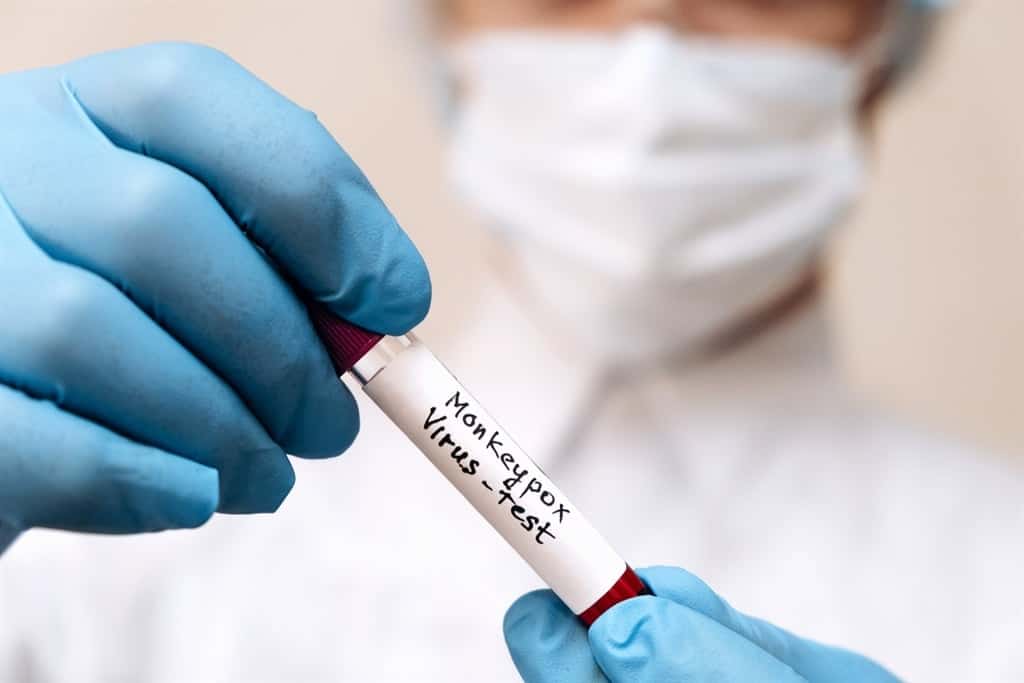
After nearly two years without any reported cases, South Africa has identified its first laboratory-confirmed instance of Mpox (monkeypox) since August 2022. The case involves a 35-year-old man residing in Gauteng province, diagnosed in early May 2024. This resurgence highlights the importance of continued surveillance and public awareness regarding Mpox, a viral zoonotic disease that has seen an unusual global spread in recent years. This comprehensive article delves into the details of the recent case, background information on Mpox, South Africa's public health response, and what citizens should know moving forward.
On May 9, 2024, South Africa's National Institute for Communicable Diseases (NICD) confirmed the country's first Mpox case since August 2022. The patient is a 35-year-old man living in Gauteng, the country's economic hub. Initial testing was conducted by Lancet Laboratories, with confirmation by the NICD, which promptly notified the Department of Health.
The patient reportedly exhibited symptoms consistent with Mpox infection, including fever, rash, and swollen lymph nodes. Health authorities have not disclosed specific details about the patient's travel history or possible exposure sources, but investigations are ongoing to identify any potential transmission chains.
South African health officials have emphasized that this isolated case does not currently indicate a wider outbreak. Nevertheless, the appearance of Mpox after a period of dormancy underscores the need for continued vigilance and public health preparedness.
Mpox, formerly known as monkeypox, is a rare viral zoonotic disease caused by the Mpox virus, a member of the Orthopoxvirus genus. It is closely related to the smallpox virus but generally causes less severe illness. The disease primarily spreads through close contact with infected animals or humans, or contaminated materials.
Transmission occurs via direct contact with skin lesions, bodily fluids, respiratory droplets, or contaminated objects such as bedding. The incubation period ranges from 5 to 21 days, and symptoms typically start with fever, headache, muscle aches, and swollen lymph nodes, followed by a characteristic rash.
While historically confined to certain African regions, Mpox gained international attention during the 2022 global outbreak, which affected multiple countries outside endemic zones. The virus's ability to spread among humans, though limited compared to other viruses, necessitates awareness and preventive measures.
South Africa has maintained robust surveillance systems for infectious diseases, including Mpox, since the global outbreak in 2022. The National Institute for Communicable Diseases plays a pivotal role in monitoring, diagnosing, and reporting cases promptly to enable swift public health interventions.
Following the detection of the recent case, the Department of Health has intensified contact tracing efforts and is working closely with healthcare providers to identify any additional infections. Public messaging campaigns aim to educate citizens about Mpox symptoms, transmission, and prevention strategies.
The government continues to collaborate with international health bodies such as the World Health Organization to stay updated on Mpox developments and ensure appropriate resources are allocated to prevent further spread.
Mpox symptoms often begin with fever, chills, headaches, muscle aches, and swollen lymph nodes, progressing to a distinctive rash that typically starts on the face before spreading to other parts of the body. Lesions evolve through stages from macules to pustules and scabs before healing.
Accurate diagnosis requires laboratory testing of lesion samples, blood, or other bodily fluids. Diagnostic facilities like Lancet Laboratories and NICD provide confirmatory tests using molecular techniques such as PCR to detect viral DNA.
Currently, there is no specific antiviral treatment approved for Mpox; however, supportive care and symptom management are essential. Vaccines developed for smallpox have shown cross-protection against Mpox and are employed in outbreak control strategies where applicable.
Public education is critical to preventing Mpox transmission. South African health authorities encourage individuals to avoid close contact with people exhibiting symptoms, practice good hand hygiene, and refrain from sharing personal items that may be contaminated.
Communities are also advised to be vigilant about reporting suspected cases promptly and to follow guidance issued by healthcare professionals. Awareness campaigns utilize multiple platforms, including social media, to disseminate accurate information and dispel myths.
Healthcare workers receive ongoing training to recognize Mpox symptoms and implement infection control measures effectively. This preparedness helps minimize the risk of healthcare-associated transmission and ensures timely patient care.
The global Mpox outbreak in 2022 marked a significant shift as the virus spread beyond its traditional endemic regions in Central and West Africa. Countries worldwide reported cases, prompting coordinated international responses to contain the virus.
South Africa, as a major travel and trade hub in Africa, plays a crucial role in regional disease surveillance and response. The recent Mpox case reinforces the necessity of cross-border cooperation and information sharing to manage emerging infectious diseases effectively.
International organizations continue to monitor Mpox's epidemiological patterns closely, supporting countries like South Africa with technical guidance, diagnostic capacity building, and vaccine distribution where needed.
While the recent Mpox case is isolated, South Africans must remain informed and cautious. Recognizing symptoms early and seeking medical attention can significantly reduce transmission risks and improve patient outcomes.
Staying updated with official health advisories and participating in vaccination programs, if offered, are proactive steps citizens can take to protect themselves and their communities.
The resurgence of Mpox serves as a reminder that infectious diseases can re-emerge unexpectedly, underscoring the importance of sustained public health infrastructure, research, and community engagement in disease prevention.
The identification of South Africa's first Mpox case since August 2022 marks a significant event in the nation's public health landscape. Although isolated, this case serves as a critical reminder of the ongoing threat posed by emerging and re-emerging infectious diseases. South Africa's robust surveillance systems and proactive response measures are essential in containing potential outbreaks and safeguarding public health. Moving forward, continuous public education, vigilant monitoring, and international collaboration will be key to managing Mpox and similar health challenges. Through informed communities and resilient healthcare infrastructure, South Africa can effectively navigate the complexities of infectious disease prevention and control.
Originally reported by news24.com. Adapted for our readers.
Keep reading
Top Stories
Since the Supreme Court overturned Roe v. Wade in 2022, the landscape of abortion rights in the United S...
Top Stories
Top Stories Tamfitronics One evening in May, nursing assistant Debra Ragoonanan’s vision blurred during her shift at a state-run Massachusetts vet...
TAMFIS NIG LTD
Electrical and instrumentation engineering, bid preparation and consulting, IT and software.

