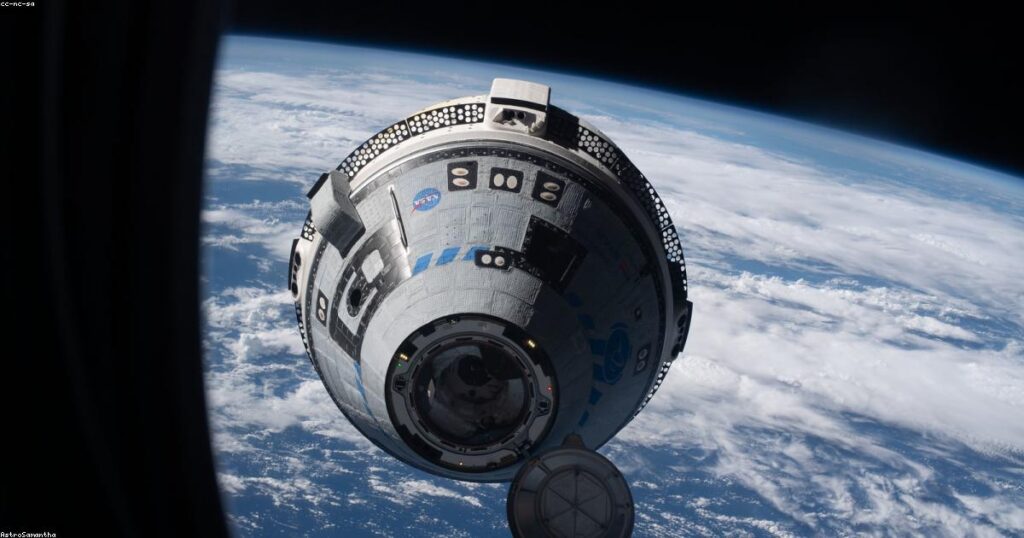
Boeing is determined to launch NASA astronauts for the major time after years of fight
For years, Boeing has been on a challenging journey to establish itself as a reliable partner in NASA's Commercial Crew Program. The goal: to launch astronauts safely and efficiently aboard its CST-100 Starliner spacecraft. Despite numerous obstacles, including a failed uncrewed test flight in 2019, Boeing has remained steadfast in its mission. Now, with a crewed test flight scheduled from Cape Canaveral, Florida, the aerospace giant is ready to demonstrate its capabilities and contribute to America’s renewed presence in human space exploration. This article delves into Boeing’s determined efforts, the significance of the upcoming launch, and what it means for the future of space travel.
Background of Boeing’s Starliner and NASA Partnership
Boeing's involvement with NASA's Commercial Crew Program began in 2014 when it was awarded a contract alongside SpaceX to develop safe, reliable spacecraft capable of transporting astronauts to and from the International Space Station (ISS). The CST-100 Starliner was designed to be reusable, cost-effective, and compatible with existing space infrastructure.
The Starliner spacecraft combines modern technology with Boeing’s extensive aerospace experience, aiming to reduce dependence on Russian Soyuz vehicles for crew transport. This partnership represents a strategic move to restore American launch capabilities and foster competition in commercial spaceflight.
Despite its promising design, Boeing faced significant technical challenges during development and testing phases. These hurdles delayed the spacecraft’s progress but also led to improvements in safety protocols and spacecraft reliability.
The 2019 Uncrewed Test Flight: Setbacks and Lessons Learned
In December 2019, Boeing launched the first uncrewed Orbital Flight Test (OFT) of the Starliner from Cape Canaveral. The mission aimed to demonstrate the spacecraft’s ability to reach the ISS, dock autonomously, and return safely to Earth. However, the flight encountered critical software anomalies shortly after liftoff.
One major issue involved the spacecraft’s timing system, which caused it to burn too much fuel and miss the planned orbit insertion, preventing docking with the ISS. Additionally, a separate software glitch risked compromising the spacecraft’s safe return. Although the crew capsule landed safely, the mission fell short of its primary objectives.
Following the OFT, NASA and Boeing conducted an extensive investigation, identifying root causes and implementing corrective measures. This rigorous review process underscored the complexity of human-rated spaceflight and reinforced the importance of thorough testing before crewed missions.
Improvements and Preparations for the First Crewed Flight
Building on lessons from the 2019 test, Boeing enhanced the Starliner’s software, avionics, and testing protocols. The company executed a successful uncrewed repeat flight test in May 2022, demonstrating the spacecraft’s readiness and reliability improvements.
In preparation for the first crewed flight, Boeing collaborated closely with NASA to certify safety standards and train astronauts. Two NASA test pilots were selected to command the mission, emphasizing the importance of experienced crew members in validating spacecraft operations.
Ground teams at Cape Canaveral have also upgraded launch facilities and integrated new procedures to support the Starliner’s unique requirements. These combined efforts aim to ensure a smooth countdown and mission execution for the upcoming crewed launch.
Significance of the Upcoming Launch for NASA and Boeing
The scheduled crewed mission represents a pivotal moment for Boeing, NASA, and the broader space community. Successfully launching astronauts aboard the Starliner will mark the first time in over a decade that NASA astronauts depart from American soil on an American spacecraft.
This milestone will restore U.S. independence in crewed space access, reducing reliance on international partners and fostering domestic aerospace innovation. It also validates the Commercial Crew Program’s model of partnering with private companies to develop cost-effective space transportation.
Moreover, Boeing’s success with Starliner will diversify options for ISS crew rotations and future missions, enhancing operational flexibility and resilience in human spaceflight endeavors.
Challenges Remaining and Risk Management Strategies
Despite progress, the mission still faces inherent risks associated with human spaceflight. Complex systems integration, software reliability, and launch vehicle performance all require meticulous oversight to mitigate potential failures.
Boeing and NASA have implemented comprehensive risk management protocols, including redundant safety systems, extensive simulations, and real-time monitoring during launch and mission operations. These measures aim to protect astronaut lives and mission success.
Continuous collaboration between engineers, astronauts, and mission controllers ensures rapid response capabilities in case of anomalies. This culture of safety and preparedness underpins Boeing’s commitment to a successful crewed launch.
Implications for the Future of Commercial Spaceflight
Boeing’s advancement with the Starliner program underscores the growing role of commercial companies in space exploration. Successful crewed launches pave the way for expanded partnerships, increased investment, and accelerated innovation in the industry.
The commercial crew model encourages competition and cost reduction, enabling NASA to allocate resources toward more ambitious projects such as Artemis lunar missions and Mars exploration. Boeing’s participation strengthens this ecosystem by providing additional expertise and infrastructure.
Furthermore, reliable commercial crew vehicles could facilitate space tourism, private research, and international collaborations, broadening access to low Earth orbit and beyond.
Public and Industry Reactions to Boeing’s Progress
The aerospace community has closely followed Boeing’s journey, recognizing both the challenges encountered and the company’s resilience. Industry experts commend Boeing’s transparent handling of setbacks and dedication to improving spacecraft safety.
NASA officials have expressed cautious optimism, emphasizing the importance of thorough testing and verification before operational missions. Public interest in the launch reflects enthusiasm for renewed American crewed spaceflight capabilities.
As the launch date approaches, media coverage and social media conversations highlight the mission’s significance, building anticipation and awareness around Boeing’s role in shaping the future of space exploration.
Looking Ahead: What Comes After the Crewed Launch
Following a successful crewed test flight, Boeing plans to transition the Starliner into regular operational service, supporting routine ISS crew rotations and cargo missions. This will enhance NASA’s ability to maintain a continuous human presence in orbit.
Long-term, Boeing is exploring upgrades to the Starliner design to support more ambitious missions, including lunar gateway deployments and deep space exploration. Collaboration with NASA and other partners will be key to evolving spacecraft capabilities.
The company’s commitment to innovation and safety positions it as a vital player in the expanding space economy, contributing to sustainable and scalable human spaceflight for decades to come.
Conclusion
Boeing’s determined pursuit to launch NASA astronauts aboard the Starliner spacecraft after years of challenges symbolizes a significant step forward in American spaceflight capabilities. Overcoming technical setbacks and refining safety measures have prepared Boeing to contribute meaningfully to NASA’s vision of sustainable human space exploration. The upcoming crewed launch not only restores U.S. independence in crewed missions but also fosters a competitive, innovative commercial space industry. As Boeing and NASA look to the future, the success of this mission could open new horizons for space travel, scientific discovery, and international collaboration.
Originally reported by chron.com. Adapted for our readers.
Recent advances in machine perfusion technology are not only preserving donated livers but also making them biologically younger at a molecular level. This breakthrough…
What happens when human imagination, artificial intelligence, art and technology come together? From September 1 to 6, Samsung Electronics presented a special exhibition themed…