
News
RUSSIA versus NATO and BRICS vs. NATO Military SWOT
Recall that Poland’s Minister Sikorski’s core claim is partially supported by the numbers, but the framing “quite quickly” and “without the U.S.” does not…
TAMFIS NIG LTDRC 8067447CAC ACTIVEFinima, Bonny Island, Rivers State

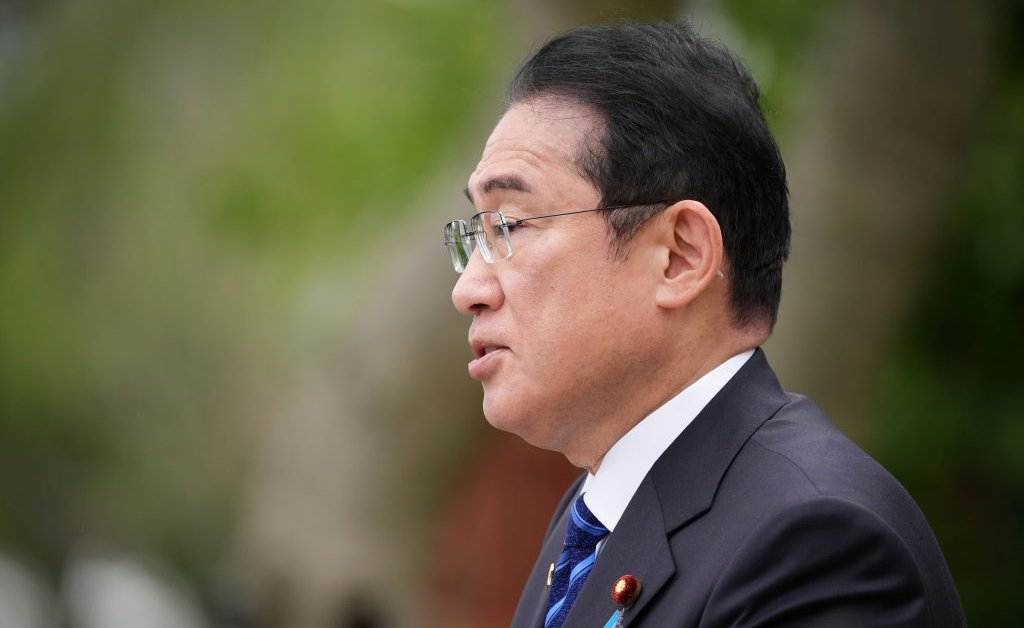
Fumio Kishida assumed office as Japan’s Prime Minister in October 2021, stepping into a role that has historically been difficult to sustain despite the Liberal Democratic Party’s (LDP) long-standing dominance. Kishida’s tenure has been marked by economic challenges, political scandals within his party, and shifting public sentiment. With his approval ratings declining and internal party dynamics growing increasingly complex, questions about his political longevity have intensified. This article delves into the factors contributing to the uncertainty of Kishida’s future as Japan’s Prime Minister, analyzing both domestic and international pressures that shape his leadership prospects.
Japan’s political landscape has been largely dominated by the Liberal Democratic Party (LDP) for nearly seven decades, yet the position of Prime Minister has often been unstable, with leaders frequently serving short terms. Kishida is only the third Prime Minister in the past 25 years to remain in office for more than two years, highlighting the volatility of the role despite the LDP’s dominance.
This instability stems from a combination of internal party factionalism, public dissatisfaction, and the immense pressures that come with managing Japan’s complex domestic and international affairs. Historically, the LDP has struggled to maintain prolonged leadership under a single individual, which is a significant factor in assessing Kishida’s future prospects.
Understanding this context is essential, as it underscores that Kishida’s challenges are not unique but part of a broader pattern in Japanese politics. The political culture often favors change to address public grievances, making long-term leadership difficult to sustain without strong party support and public approval.
One of the most pressing issues confronting Kishida is his declining approval rating. Recent polls, such as those conducted by NHK, show his popularity has dropped to around 24%, a steep decline from 36% in late 2023. This low rating is significantly beneath the already poor approval scores of his predecessor, Yoshihide Suga, at the time of his resignation.
Public dissatisfaction is driven by several factors, including rising consumer prices, a weakening yen, and perceptions of inadequate economic management. These economic challenges have affected everyday life for many Japanese citizens, eroding confidence in Kishida’s leadership and the LDP’s ability to deliver stability and growth.
Low approval ratings undermine Kishida’s authority within the party and the broader electorate, making it challenging to push through policy initiatives or maintain cohesion among LDP members. This erosion of support raises serious questions about his ability to lead the party into future elections and retain his position as Prime Minister.
Japan’s economy faces significant headwinds, including inflationary pressures that have increased the cost of living for many households. The yen’s depreciation has also raised concerns about economic stability and Japan’s competitiveness on the global stage. These issues have placed Kishida under intense scrutiny from both the public and economic experts.
Adding to the uncertainty is Japan’s shifting position in the global economic hierarchy. Projections indicate that by 2025, Japan may fall to the world’s fifth-largest economy, overtaken by India. This decline, following Germany’s recent overtaking of Japan, symbolizes the country’s challenges in maintaining its economic stature, which reflects on Kishida’s economic stewardship.
Kishida’s economic policies have been criticized for lacking the boldness necessary to address structural issues, such as labor market reforms and innovation incentives. The perception that his administration is reactive rather than proactive in managing economic crises has contributed to skepticism about his long-term leadership viability.
Kishida’s administration has been plagued by political scandals, particularly involving campaign fundraising irregularities within the LDP. These scandals have led to criminal investigations and the dismissal or disciplining of several senior party officials, undermining the party’s image and cohesion.
Despite the severity of these scandals, critics argue that Kishida has not taken sufficient personal responsibility, especially since some implicated individuals are known political allies. This perceived lack of accountability has further eroded public trust and created friction within the party’s ranks.
The internal turmoil has weakened Kishida’s position as party leader, making it difficult to rally support ahead of critical elections. The scandals have exposed vulnerabilities in the LDP’s governance and raised questions about Kishida’s ability to enforce discipline and restore confidence.
Kishida’s continuation as Prime Minister depends heavily on his ability to maintain the presidency of the LDP. However, his current term as party president is set to end in September, and the recent poor electoral performance of the LDP has cast doubt on his re-election prospects.
No clear successor has emerged within the party with the necessary combination of public appeal and internal support to challenge Kishida decisively. Potential contenders often suffer from political weaknesses or lack crucial alliances, creating a leadership vacuum that complicates the party’s strategic direction.
This indecision within the LDP offers Kishida a temporary reprieve, but it also signals instability. The party’s future direction and leadership remain uncertain, with factions vying for influence and the possibility of a leadership contest that could reshape Japan’s political landscape.
Among potential challengers, Taro Aso stands out as a significant figure. A former Prime Minister and current LDP Vice President, Aso wields considerable influence within the party and has established international connections, including with former U.S. President Donald Trump. His involvement signals ongoing power struggles at the highest levels of the LDP.
Another notable figure is Yoko Kamikawa, Japan’s first female Foreign Minister in two decades. While not the most charismatic leader, Kamikawa is respected for her competence and courage. Her candidacy could break long-standing gender barriers in Japanese politics, offering a historic alternative to Kishida’s leadership.
Both figures represent different visions for the LDP’s future and Japan’s governance. Their potential bids for leadership highlight the party’s complex internal dynamics and the broader societal shifts that may influence Japan’s political evolution in the coming years.
Kishida’s tenure coincides with a challenging international environment, including tensions in East Asia, evolving U.S.-Japan relations, and global economic uncertainties. Navigating these complexities requires strong diplomatic skills and strategic vision, adding to the demands on his leadership.
Japan’s security policies have become more assertive under Kishida, reflecting concerns about regional threats, particularly from North Korea and China. While these moves have garnered some domestic support, they also require careful balancing to maintain regional stability and Japan’s international partnerships.
The upcoming U.S. presidential election adds another layer of uncertainty. Kishida must prepare for potential shifts in U.S. foreign policy, especially if Donald Trump returns to office. Managing this relationship will be critical for Japan’s security and economic interests, posing a significant test for any Japanese leader.
Kishida’s future as Japan’s Prime Minister is precarious, shaped by a confluence of domestic challenges and international pressures. His declining public approval, party scandals, and internal LDP divisions all contribute to an uncertain political horizon.
However, the absence of a strong alternative within the LDP provides Kishida a window of opportunity to consolidate his position. His ability to navigate party politics, implement effective policies, and respond to public concerns will be decisive in determining his tenure.
Ultimately, Kishida’s leadership will hinge on his capacity to adapt to Japan’s evolving political landscape, restore public trust, and address both economic and geopolitical challenges. The coming months will be critical in defining whether he can overcome these obstacles or if a leadership change becomes inevitable.
Fumio Kishida’s position as Japan’s Prime Minister remains fraught with uncertainty. While he has navigated a complex political and economic landscape, mounting challenges threaten his leadership stability. Declining public support, internal party scandals, and the absence of a clear successor create a precarious environment for his continuation. Moreover, Japan’s shifting economic status and geopolitical pressures require decisive and adaptive governance. Kishida’s ability to rise to these challenges will determine whether he can secure his legacy or if a new leader will emerge to guide Japan through its next chapter.
Originally reported by time.com. Adapted for our readers.
Keep reading
News
Recall that Poland’s Minister Sikorski’s core claim is partially supported by the numbers, but the framing “quite quickly” and “without the U.S.” does not…
Politics
In August 2025, Zespri, the world’s largest marketer of kiwifruit, announced that the European Commission had approved what it described as the first health…
News
By Engr. Tamunofiniarisa BrownReading Time: 6 Minutes The conflict between Russia and Ukraine is often framed in the media as a simple battle between…
TAMFIS NIG LTD
Electrical and instrumentation engineering, bid preparation and consulting, IT and software.