
Politics
How Minnesota Figures Into the Presidential Politics of Insulin Prices
Politics tamfitronics Minnesota Gov. Tim Walz attends a rally in Asheville, North Carolina, on Sept. 17. Minnesota led the way on in...
TAMFIS NIG LTDRC 8067447CAC ACTIVEFinima, Bonny Island, Rivers State

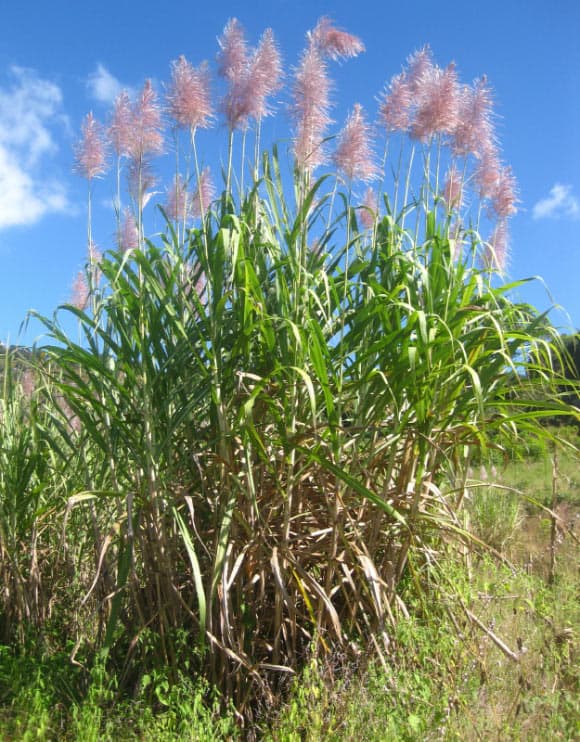
Sugarcane is one of the world’s most vital crops, responsible for approximately 80% of global sugar production and playing a crucial role in economies and food systems worldwide. However, for years, efforts to enhance sugar yield have plateaued, primarily due to the crop’s complex genome and limited genetic diversity in breeding populations. Recently, a global consortium of researchers achieved a groundbreaking milestone by sequencing the sugarcane genome of the cultivar R570. This accomplishment marks a turning point in sugarcane research, enabling scientists to unlock genetic secrets that can accelerate breeding, improve disease resistance, and support sustainable biofuel development. This article delves into the significance of this achievement, the challenges overcome, and the future implications for agriculture and bioeconomy.
Sugarcane is a tropical grass that dominates the global sugar market, accounting for around 80% of the world’s sugar production. Cultivated extensively across tropical and subtropical regions, sugarcane also provides raw materials for ethanol biofuel, animal feed, and various bioproducts, making it a crop of immense economic and environmental significance.
The crop’s cultivation supports millions of farmers and contributes substantially to the economies of many developing countries. Beyond sugar, sugarcane bagasse—the fibrous residue left after juice extraction—is a valuable resource for renewable energy and industrial products, further highlighting sugarcane’s multifaceted role.
Despite its importance, sugarcane breeding has faced stagnation in yield improvements over recent decades. Traditional breeding approaches have struggled to keep pace with the increasing global demand for sugar and sustainable bioenergy sources. This underscores the need for innovative genomic tools to unlock new potential in sugarcane cultivation.
Sugarcane’s genome presents one of the most formidable challenges in plant genomics due to its polyploid nature—meaning it contains multiple sets of chromosomes beyond the diploid number typical in most plants. This complexity results in a genome approximately 10 billion base pairs long, over three times the size of the human genome.
Additionally, sugarcane’s genome contains many duplicated and nearly identical regions within and across chromosomes, making it difficult to accurately assemble and differentiate between homologous sequences. This genomic redundancy complicates the reconstruction of a complete and reliable genetic blueprint.
Traditional sequencing technologies struggled to resolve these intricate structures, leading to fragmented and incomplete genomic data. Overcoming these obstacles required the integration of advanced sequencing methods capable of reading long stretches of DNA with high accuracy.
The recent success in sequencing the sugarcane genome relied heavily on combining multiple next-generation sequencing technologies, including the innovative PacBio HiFi sequencing. This technology delivers highly accurate, long DNA reads that significantly improve the assembly of complex genomic regions.
By leveraging these advanced methods, researchers produced a high-quality reference genome for the R570 cultivar, a widely used modern sugarcane variety. The assembly represents the most detailed and comprehensive sugarcane genome sequence to date, setting a new standard in plant genomics.
This approach allowed scientists to distinguish closely related chromosome copies and resolve repetitive DNA segments, overcoming previous limitations. The resulting genomic map provides an invaluable resource for identifying genes linked to important traits such as sugar content, disease resistance, and environmental adaptability.
Analysis of the R570 genome revealed the intricate architecture of sugarcane’s polyploid genome and illuminated how genetic diversity is distributed across its chromosomes. Understanding this complexity is critical for breeding efforts aiming to combine beneficial traits from different parental lines.
The genome sequence also shed light on genes involved in sugar biosynthesis and storage, enabling targeted approaches to enhance sugar yield. Furthermore, researchers identified genetic markers associated with resistance to common pathogens, paving the way for the development of more resilient sugarcane varieties.
These insights extend beyond sugar production, as the genome data supports studies into traits related to biomass quality and stress tolerance, which are essential for sustainable bioenergy production and climate resilience.
With access to a detailed reference genome, sugarcane breeders can now employ genomic-assisted selection techniques to accelerate the development of superior cultivars. This can shorten breeding cycles, increase genetic gains, and enhance adaptation to diverse environmental conditions.
The genome sequence enables precise identification of genes controlling complex traits, allowing breeders to stack desirable features such as higher sugar content, disease resistance, and drought tolerance in a single variety. This integrated approach promises to break the stagnation in yield improvements witnessed over recent decades.
Moreover, the availability of genomic data facilitates the use of gene editing technologies like CRISPR to introduce targeted modifications, offering a new frontier for crop enhancement while maintaining genetic diversity and sustainability.
Sugarcane is a pivotal crop in the bioeconomy, supplying feedstocks for biofuels and bioproducts. The genome sequencing breakthrough enhances understanding of the genetic factors influencing biomass composition and conversion efficiency.
Researchers can now identify and manipulate genes that affect the quality of bagasse and other residues used in biofuel production, optimizing sugarcane varieties for renewable energy applications. This contributes to reducing reliance on fossil fuels and lowering greenhouse gas emissions.
In addition, the genomic knowledge supports the development of sustainable bioproducts derived from sugarcane biomass, aligning with global efforts to create circular economies and promote environmentally friendly industrial processes.
The sugarcane genome sequence opens numerous avenues for future research, including exploring gene expression patterns and regulatory networks that govern important agronomic traits. Integrating genomics with transcriptomics and phenomics will deepen insights into plant biology and trait heritability.
International collaboration will be key to harnessing this genomic resource for global benefit, enabling the development of region-specific sugarcane varieties adapted to local climates and challenges. Data sharing and open-access platforms will accelerate innovation and breeding progress worldwide.
Continued advancements in sequencing technologies and computational tools promise to further refine sugarcane genomics, potentially unlocking even more complex genetic variations and epigenetic factors that influence crop performance and sustainability.
The successful sequencing of the sugarcane genome represents a landmark achievement with far-reaching implications for agriculture, bioenergy, and sustainability. By overcoming the formidable challenges posed by sugarcane’s polyploid and repetitive genome, scientists have unlocked a treasure trove of genetic information that promises to revitalize breeding programs and increase global sugar yields. This breakthrough not only enhances our understanding of sugarcane biology but also supports the development of resilient, high-performance cultivars tailored to diverse environments. Moreover, it strengthens sugarcane’s role as a cornerstone of the bioeconomy, facilitating the production of renewable biofuels and bioproducts. As research continues and global collaborations expand, the sequenced sugarcane genome will serve as a catalyst for innovation, helping to meet the growing demands for food, energy, and sustainability in the 21st century.
Originally reported by sci.news. Adapted for our readers.
Keep reading
Politics
Politics tamfitronics Minnesota Gov. Tim Walz attends a rally in Asheville, North Carolina, on Sept. 17. Minnesota led the way on in...
Politics
Nigerian human rights lawyer Deji Adeyanju has joined a Federal Government inquiry into the deaths of 37...
Politics
Democracy, Featured, Global, Global Governance, Headlines, International Justice, IPS UN: Insid...
TAMFIS NIG LTD
Electrical and instrumentation engineering, bid preparation and consulting, IT and software.