Which weight loss blueprint can scale back possibility of Cancer and heart illness? Study about be taught finding
In the quest to minimize the risk of chronic diseases such as cancer and heart disease, diet plays a critical role. Over the past two decades, extensive research has focused on identifying weight loss blueprints that not only promote healthy weight management but also offer protective benefits against these life-threatening conditions. Emerging evidence points toward plant-based diets—including vegan, vegetarian, and lacto-ovo vegetarian patterns—as powerful allies in reducing disease risk. This article delves into the latest scientific findings, explaining how these dietary strategies work, their health benefits, and practical considerations for adopting them to improve overall well-being.
The Link Between Weight Loss and Disease Prevention
Weight loss is widely recognized as a cornerstone for reducing the risk of various chronic diseases, particularly cancer and heart disease. Excess body weight contributes to systemic inflammation, hormonal imbalances, and metabolic disruptions that increase vulnerability to these conditions. Therefore, effective weight loss strategies that promote healthy body composition can play a crucial role in disease prevention.
Recent research emphasizes that not all weight loss approaches are equally beneficial. The quality of the diet—beyond just calorie restriction—affects inflammation, oxidative stress, and insulin sensitivity, which are key factors in cardiovascular health and cancer development. Consequently, selecting a weight loss blueprint that integrates nutrient-dense, anti-inflammatory foods can provide additional protective effects.
Moreover, sustainable lifestyle changes that combine dietary improvements with physical activity and behavioral modifications are essential for maintaining long-term health benefits. This holistic approach ensures that weight loss is not only achieved but also supports the reduction of disease risk over time.
Understanding Plant-Based Diets: Vegan, Vegetarian, and Lacto-Ovo Vegetarian
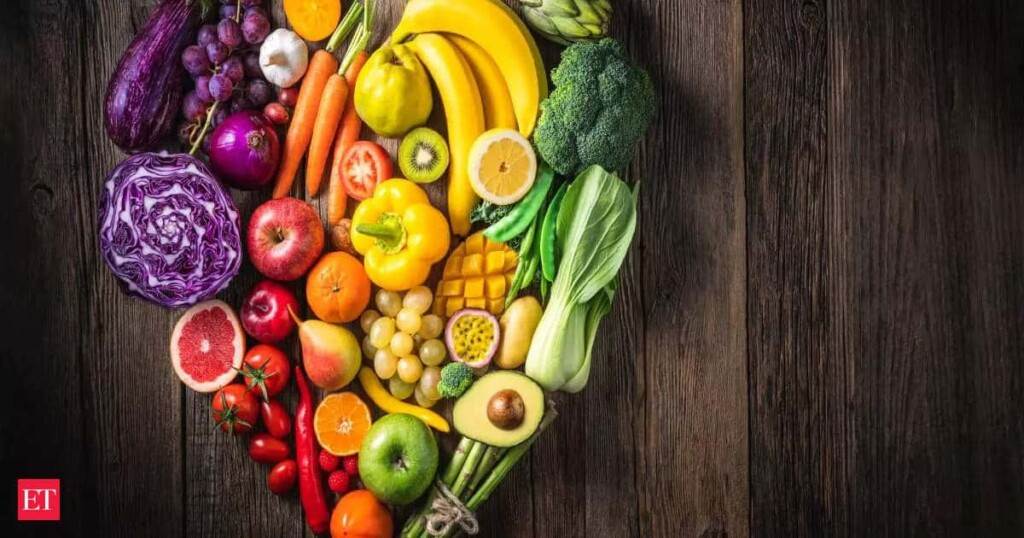
Plant-based diets focus primarily on foods derived from plants, including fruits, vegetables, legumes, nuts, seeds, and whole grains. Variations within this category include vegan diets, which exclude all animal products; vegetarian diets, which exclude meat but may include dairy and eggs; and lacto-ovo vegetarian diets that incorporate both dairy products and eggs alongside plant foods.
The appeal of plant-based diets lies in their high content of fiber, antioxidants, vitamins, and minerals, alongside low levels of saturated fat and cholesterol. These nutritional characteristics contribute to improved cardiovascular markers, enhanced immune function, and reduced inflammation, which collectively lower the risk of chronic diseases.
Studies show that individuals adhering to plant-based diets tend to have lower body mass indexes, better lipid profiles, and reduced incidence rates of hypertension and type 2 diabetes. These factors are critical in decreasing the likelihood of heart disease and certain types of cancer.
Scientific Evidence Supporting Plant-Based Weight Loss Blueprints
A pivotal study led by Dr. Angelo Capodici at Sant'Anna School of Advanced Studies in Pisa, Italy, reviewed dietary patterns over the last twenty years and highlighted the protective effects of plant-based diets against several cancers—including liver, colon, pancreas, lung, prostate, bladder, melanoma, kidney, and non-Hodgkin lymphoma—as well as cardiovascular diseases.
The research demonstrated that plant-based diets contribute to lower blood pressure, reduced cholesterol levels, and decreased systemic inflammation, as indicated by lower C-reactive protein (CRP) levels. These physiological changes are significant because they directly influence the progression of atherosclerosis and tumor development.
Importantly, the study also cautioned that the benefits of plant-based diets could be undermined by the consumption of refined and processed foods such as fruit juices, refined grains, potato chips, and sugary sodas. These items can negatively impact metabolism and counteract the positive effects of a plant-focused diet.
The Role of Specific Nutrients and Supplementation in Plant-Based Diets
While plant-based diets are rich in many health-promoting nutrients, some key vitamins and minerals may be less abundant or less bioavailable, necessitating mindful supplementation. Nutrients such as vitamin B12, vitamin D, iron, and omega-3 fatty acids often require special attention to avoid deficiencies.
Vitamin B12 is primarily found in animal products, so vegans and strict vegetarians must consider fortified foods or supplements to maintain adequate levels. Deficiencies in B12 can lead to anemia and neurological issues, which could compromise overall health and disease resistance.
Similarly, vitamin D plays a vital role in immune regulation and inflammation control, and supplementation may be necessary, especially in regions with limited sunlight exposure. Iron from plant sources has lower absorption rates, so pairing iron-rich foods with vitamin C can enhance uptake. Consulting healthcare professionals for personalized guidance is advisable.
Avoiding Dietary Pitfalls That Undermine Health Benefits
Despite the advantages of plant-based diets, poor food choices within this framework can sabotage health goals. Highly processed plant foods, excessive consumption of sugar-laden beverages, and reliance on refined carbohydrates can exacerbate inflammation and metabolic dysfunction.
For instance, fruit juices, often perceived as healthy, contain concentrated sugars that can raise blood glucose levels and contribute to insulin resistance. Similarly, potato chips and sodas provide empty calories and promote oxidative stress, negating the protective effects of a wholesome diet.
Therefore, it is crucial to emphasize whole, minimally processed foods and limit intake of refined products. Combining this with lifestyle habits such as abstaining from tobacco and moderating alcohol consumption further enhances the protective benefits of a plant-based weight loss blueprint.
Lifestyle Factors Complementing Plant-Based Diets for Disease Prevention
Diet alone does not determine health outcomes; physical activity, stress management, sleep quality, and avoidance of harmful substances are equally important. Regular exercise improves cardiovascular fitness, insulin sensitivity, and aids in maintaining a healthy weight.
Stress reduction techniques such as mindfulness meditation and adequate sleep support immune function and reduce chronic inflammation, which are critical in lowering cancer and heart disease risk. Additionally, avoiding tobacco and limiting alcohol consumption reduce exposure to carcinogens and toxins that damage cardiovascular tissues.
Together, these lifestyle factors synergize with plant-based dietary patterns to create a comprehensive blueprint for disease risk reduction and overall well-being.
Cultural and Regional Considerations: Lactose Intolerance and Dietary Adaptations
Understanding cultural and genetic factors is essential when tailoring weight loss blueprints. For example, a 2020 study found that over 60% of the Indian population is lactose intolerant, which impacts the suitability of dairy-inclusive diets such as lacto-ovo vegetarianism.
In such populations, emphasizing vegan or carefully planned vegetarian diets that avoid dairy can prevent digestive discomfort and improve adherence. Plant-based calcium sources like leafy greens, fortified plant milks, and nuts become important for bone health.
Additionally, incorporating culturally familiar plant-based foods and culinary practices enhances acceptance and sustainability of these dietary patterns, supporting long-term disease prevention efforts.
Practical Tips for Adopting a Plant-Based Weight Loss Blueprint
Transitioning to a plant-based weight loss blueprint involves gradual changes, such as increasing intake of fruits, vegetables, legumes, and whole grains while reducing processed and animal-based foods. Meal planning and cooking at home can improve control over ingredients and nutrient quality.
Seeking guidance from nutrition professionals helps ensure balanced nutrient intake and appropriate supplementation. Tracking dietary patterns and health markers can motivate adherence and identify areas for improvement.
Community support groups, educational resources, and recipe sharing foster motivation and make the lifestyle shift enjoyable. Ultimately, consistency and personalization are key to achieving sustainable weight loss and lowering the risk of cancer and heart disease.
Conclusion
The evidence supporting plant-based weight loss blueprints as effective strategies to reduce the risk of cancer and heart disease is compelling. By focusing on whole, nutrient-rich plant foods and avoiding processed and sugary products, individuals can achieve healthier weight management and improved cardiovascular and metabolic health. Incorporating lifestyle practices such as regular exercise, stress reduction, and avoidance of harmful substances further strengthens these benefits. Tailoring dietary patterns to cultural and individual needs ensures sustainability and maximizes health outcomes. Embracing a plant-based approach, informed by scientific research and personalized guidance, represents a powerful blueprint for long-term disease prevention and enhanced quality of life.
Discover how emotionally intelligent couples use a simple 'capacity check' question every morning to strengthen their relationships, reduce conflicts, and navigate daily challenges with…
Lifestyle By Aisha Balogun The death of Nigerian-born British influencer and socialite, Igho Ubiribo, popularly known as “Tiny” or “Ego”, has reopened questions surrounding…