Loud decorations, open doors: Disappearing Chinese New Year traditions in Singapore, Lifestyle News
Every January, as the lunar calendar turns, a familiar debate resurfaces across Singapore's living rooms and group chats: does Chinese New Year still feel like Chinese New Year? The question reflects a deeper transformation underway. Eleven once-universal customs — from the brand-new notes tucked into red packets to the practice of leaving doors open forgoing hair-washing on day one — are either fading, adapting, or being reinvented. The drivers are unmistakably modern: sustainability mandates from the Monetary Authority of Singapore, the island's rapid shift to cashless payments, rising fast-fashion awareness among younger consumers, and the practical demands of dual-income households. Yet the result is not cultural erasure so much as cultural editing — traditions trimmed to fit contemporary life while retaining their symbolic weight.
The Sustainability Push Reshapes Gift-Giving
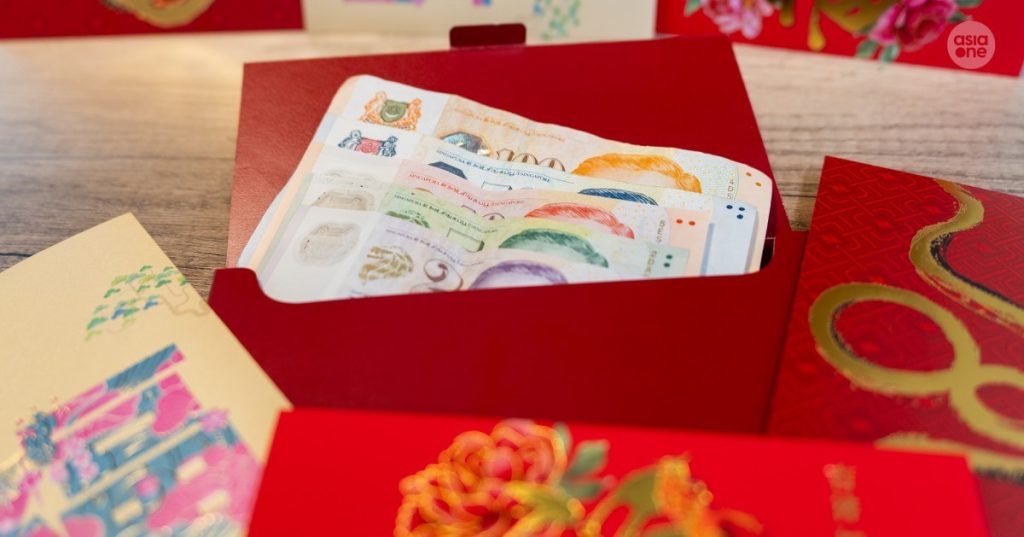
The most visible shift concerns the hong bao itself. For generations, the ritual of queuing at banks for crisp, sequential new notes was a non-negotiable prelude to the festivities. Now the Monetary Authority of Singapore actively promotes "fit notes" — clean, used currency — as a sustainable alternative. Banks still offer new notes via reservation systems, but supply is capped and demand routinely outstrips availability.
This digital migration aligns with Singapore's broader cashless trajectory. PayNow and bank-integrated wallet adoption have made peer-to-peer transfers frictionless, and the convenience argument is compelling for time-poor professionals. Older generations remain attached to the tactile exchange — the two-handed offering, the auspicious phrases spoken aloud — creating a parallel system where both forms coexist. Retailers have noticed: stationers and pop-up stalls still stock elaborate red packet designs, but print runs are smaller and marketing increasingly targets collectors and corporate gifting rather than mass family use.
Wardrobe Choices Reflect Fast-Fashion Fatigue
The tradition of wearing brand-new clothes on day one — symbolising a fresh start — is colliding with Gen Z and millennial awareness of textile waste. Thrift-store hauls, wardrobe "shopping" from existing pieces, and rental platforms for formal wear are gaining traction as alternatives to buying new. Carousell and Refash report measurable spikes in pre-loved traditional wear listings each January, while boutique owners note customers asking whether qipaos can be restyled for multiple occasions.
Colour taboos are softening in step. Black, long considered inauspicious, now appears in mainstream CNY collections from established retailers. The shift signals a broader decoupling of superstition from aesthetics: younger shoppers treat colour as a style choice rather than a cosmological safeguard. Designers respond with muted palettes — charcoal, navy, olive — alongside the traditional vermilion and gold, expanding the commercial envelope without discarding the occasion.
Day-One Taboos Yield to Dual-Income Logistics
The prohibition on washing hair, sweeping, or cleaning on the first day — lest good fortune be washed or swept away — has become aspirational rather than operational for many households. With both parents working and domestic help less common, completing a full spring-clean before the eve is often impractical. Families now clean when they can, sometimes on the morning of day one itself, treating the taboo as a guideline rather than a rule.
A similar erosion affects chi kou, the third day traditionally spent at home to avoid quarrels and roaming spirits. Offices reopen, social calendars fill, and the "hiding" custom survives mostly in folklore discussions. The third day has become just another visiting day, albeit one where some elders still counsel restraint in speech.
Decor Goes Minimalist; Paper Cutting Finds New Hands
Maximalist, loud decorations — door couplets layered with zodiac mascots, flashing lanterns, non-stop festive playlists — are giving way to curated minimalism. Boutiques such as The Paper Bunny and Naiise now stock monochrome couplets, geometric lanterns, and fortune decals designed for Scandinavian-influenced interiors.
Hand-cut paper cutting, once a household activity, has largely moved to manufacturing. Yet a niche revival is underway. Artists like PaperXMan blend tradition with contemporary motifs — QR codes linking to digital playlists, pop-culture references — attracting younger buyers who want heritage with a twist. The craft survives not through mass practice but through specialist makers treating it as design rather than duty.
Reunion Dinner: Same Spirit, Flexible Format
The reunion dinner remains the emotional anchor, but its logistics have stretched. Restaurants report bookings spreading across the week before and after eve, as families split celebrations to accommodate in-laws, shift workers, and overseas relatives returning on different flights.
Catering and meal-kit services have entered the gap. Brands like TungLok and Crystal Jade now sell reunion dinner kits with pre-portioned ingredients and video tutorials, targeting families who want the home-cooked symbolism without the three-day prep. The commercial ecosystem around the dinner has diversified, not diminished.
Festive Markets Become Leisure, Not Necessity
Chinatown's street light-up and pasar malam stalls still draw crowds, but the shopping mission has migrated online. E-commerce platforms — Shopee, Lazada, RedMart — run dedicated CNY storefronts with next-day delivery for snacks, decorations, and reunion dinner ingredients. For families prioritising time, the market visit becomes a weekend outing for atmosphere rather than a procurement run. Footfall remains high, but conversion per visitor has dropped; stallholders report more browsers, fewer bulk buyers.
Open Doors Close: Privacy and Practicality Prevail
Leaving doors and windows open at auspicious hours to welcome the God of Wealth has become rare in high-rise living. Security concerns, air-conditioning costs, and neighbourly boundaries in dense corridors make the practice impractical. Some families compromise by opening balcony doors briefly or placing wealth symbols — pineapples, gold ingots — at the entrance instead.
What this means
Chinese New Year in Singapore is not disappearing; it is being edited. Each generation applies its own filter — sustainability, convenience, aesthetics, space — and keeps what passes through. The result is a festival that looks different in 2025 than it did in 1995, yet still centres on family, prosperity, and renewal. For businesses, the opportunity lies not in preserving every ritual but in understanding which symbolic cores remain non-negotiable and building products that honour them within modern constraints. The hong bao goes digital but the blessing stays spoken. The reunion dinner moves to a hotel but the toast stays heartfelt. The door stays shut but the pineapple stays placed. Tradition, it turns out, is surprisingly good at version control.
Originally reported by asiaone.com. Adapted for our readers with AI assistance.
Obi says his wife funds her own purchases. This analysis separates his explanation, unverified handbag prices and the evidence needed to assess public spending.
Omotola’s podcast remarks raise practical questions about income, reputation and values. Here is how professionals can assess offers without inventing claims about missed earnings.