
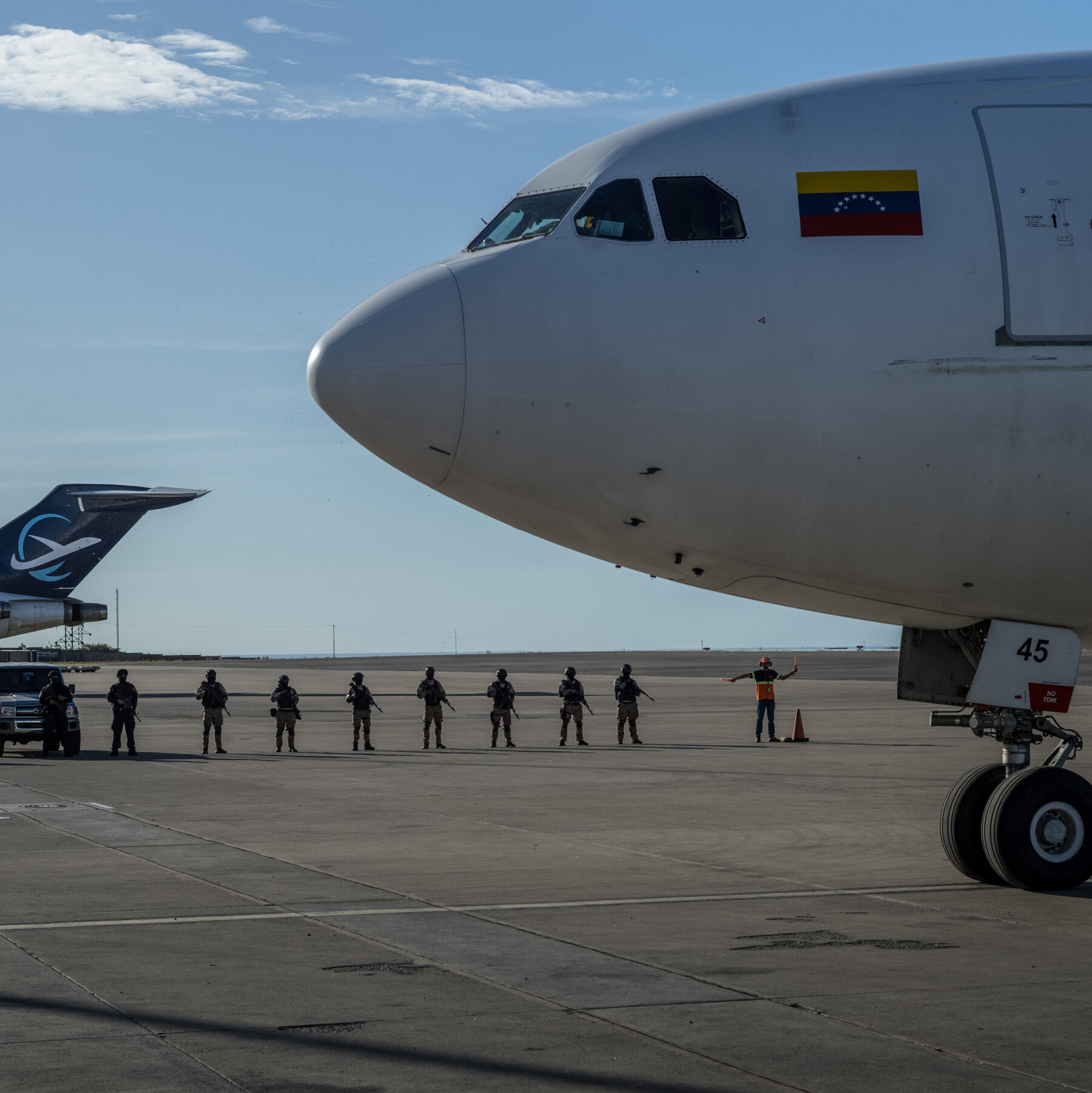
In a significant development, the United States resumed deportation flights to Venezuela on Monday, sending a plane carrying 147 Venezuelan nationals back to their home country. This move comes after a temporary halt following the tragic deaths of deportees housed in a building that collapsed during June’s earthquakes in Venezuela. The resumption of these flights has sparked debate and criticism from human rights advocates and officials concerned about the safety and treatment of deportees amid Venezuela’s ongoing political, economic, and infrastructural challenges.
Background: The Halt in Deportations and Earthquake Impact
Deportation flights from the United States to Venezuela were paused earlier this year following a series of devastating earthquakes that struck Venezuela in June. These seismic events caused widespread structural damage across several regions, including the collapse of detention facilities housing deportees awaiting repatriation.
Tragically, some deportees lost their lives when a building used to detain them collapsed during the earthquakes. This incident exposed the precarious conditions in which deportees were kept and raised serious concerns about the adequacy of safety measures and infrastructure in Venezuela’s detention centers.
In response to the disaster and ensuing fatalities, U.S. immigration authorities temporarily suspended deportation flights to Venezuela, citing the need to assess the situation and ensure the safety of those being repatriated. The pause also reflected broader humanitarian concerns amid Venezuela’s ongoing crisis, which includes political instability, economic hardship, and deteriorating public services.
The Resumption of Deportation Flights
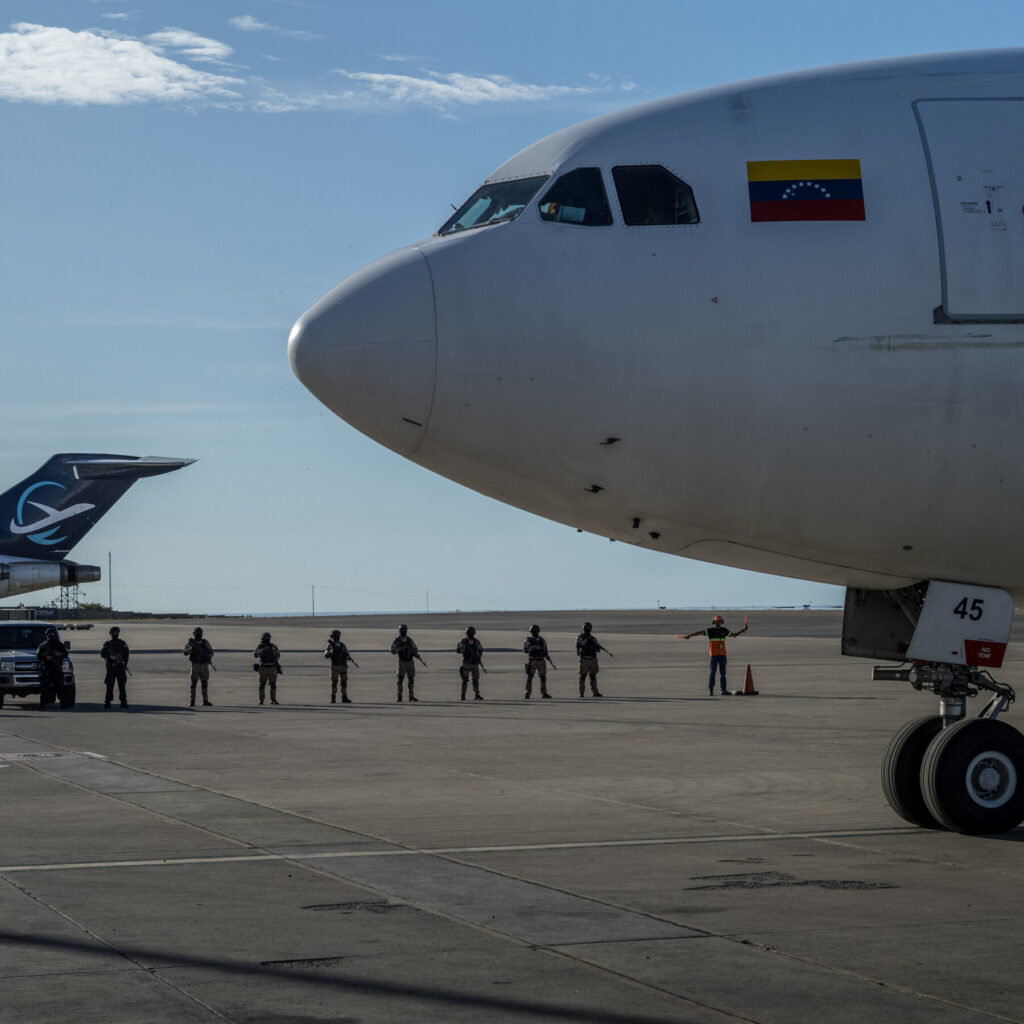
On Monday, a flight carrying 147 Venezuelan deportees landed in Venezuela, marking the first such operation since the earthquakes. The resumption signals a shift in U.S. policy, indicating that authorities believe conditions have stabilized sufficiently to continue repatriations despite ongoing challenges.
The deportees on this flight include individuals who had been detained in the U.S. for immigration violations or other offenses. The U.S. government has emphasized its commitment to enforcing immigration laws while also working to ensure the humane treatment of deportees throughout the process.
Despite the resumption, the decision has been met with criticism from human rights organizations and some Venezuelan officials. Critics argue that the country’s infrastructure and detention facilities remain vulnerable, and that deportees face significant risks upon return, including inadequate access to medical care and potential mistreatment.
The flight’s arrival underscores the complexity of balancing immigration enforcement with humanitarian concerns, particularly in a country grappling with political instability, economic hardship, and the aftermath of natural disasters.
Concerns Over Safety and Human Rights
Human rights advocates have voiced alarm over the timing of the resumed deportations, pointing to the recent earthquake damage as evidence that Venezuela may not yet be equipped to safely receive deportees. The collapse of the detention building remains a stark reminder of the country’s fragile infrastructure and the risks faced by those detained.
Critics question whether adequate measures have been taken to prevent similar tragedies and whether the safety of deportees during and after repatriation is being sufficiently prioritized by both U.S. and Venezuelan authorities.
Beyond physical safety, there are ongoing concerns about the treatment of deportees once they arrive in Venezuela. These include access to medical care, legal protections, and the risk of persecution or mistreatment given the country’s political and economic instability, which has led to widespread shortages of essential services.
These issues have prompted calls for greater transparency and accountability from both U.S. and Venezuelan authorities regarding the conditions deportees face during detention, transit, and after return, emphasizing the need for international oversight to ensure humane treatment.
U.S. Immigration Policy and Venezuela Relations
The resumption of deportation flights reflects broader dynamics in U.S.-Venezuela relations, which have been strained for years due to political differences and limited diplomatic engagement. Despite these tensions, the U.S. continues to enforce immigration laws that include deporting individuals who do not have legal status or who have committed crimes.
Restarting flights suggests a willingness to coordinate with Venezuelan authorities on immigration matters, even amid broader geopolitical friction. This cooperation indicates a pragmatic approach to managing migration flows despite political discord.
This development is also influenced by domestic pressures within the U.S. to address immigration enforcement and manage the flow of migrants from Latin America. Balancing enforcement with humanitarian considerations remains a complex challenge, especially given Venezuela’s ongoing crises.
The decision to resume flights highlights the intersection of immigration policy, international relations, and human rights concerns, underscoring the delicate balance governments must maintain in such situations.
Looking Ahead: Monitoring and Accountability
The return of deportees to Venezuela will likely remain a contentious issue, with ongoing scrutiny from international organizations, governments, and advocacy groups who emphasize the need to protect vulnerable populations.
Ensuring the safety and dignity of deportees requires robust monitoring mechanisms and cooperation between the U.S. and Venezuelan authorities. Experts suggest that independent oversight and transparent reporting on the conditions of deportees could help mitigate risks and build trust among stakeholders.
As the situation evolves, attention will focus on whether further deportation flights continue and how both countries address the humanitarian and logistical challenges involved, including infrastructure repair and detainee welfare.
Maintaining accountability and prioritizing human rights protections will be essential to safeguard the well-being of deportees amid Venezuela’s complex environment, especially given the recent natural disasters and ongoing crises.
What this means
The resumption of deportation flights from the United States to Venezuela marks a pivotal moment in immigration enforcement and bilateral relations. While the U.S. government has signaled confidence in the safety of repatriations, significant concerns remain about the conditions deportees face in Venezuela, especially following the recent earthquake disaster. Balancing immigration policy with humanitarian responsibility will require careful oversight and cooperation to ensure that those returned are treated with dignity and protected from harm. As this situation develops, close attention from the international community and advocacy groups will be essential to safeguard the rights and well-being of deportees.
Source: U.S. Sends Flight With Deportees to Venezuela for First Time Since Earthquakes via www.nytimes.com.
This article was curated with AI assistance and reviewed according to Tamfis editorial settings.