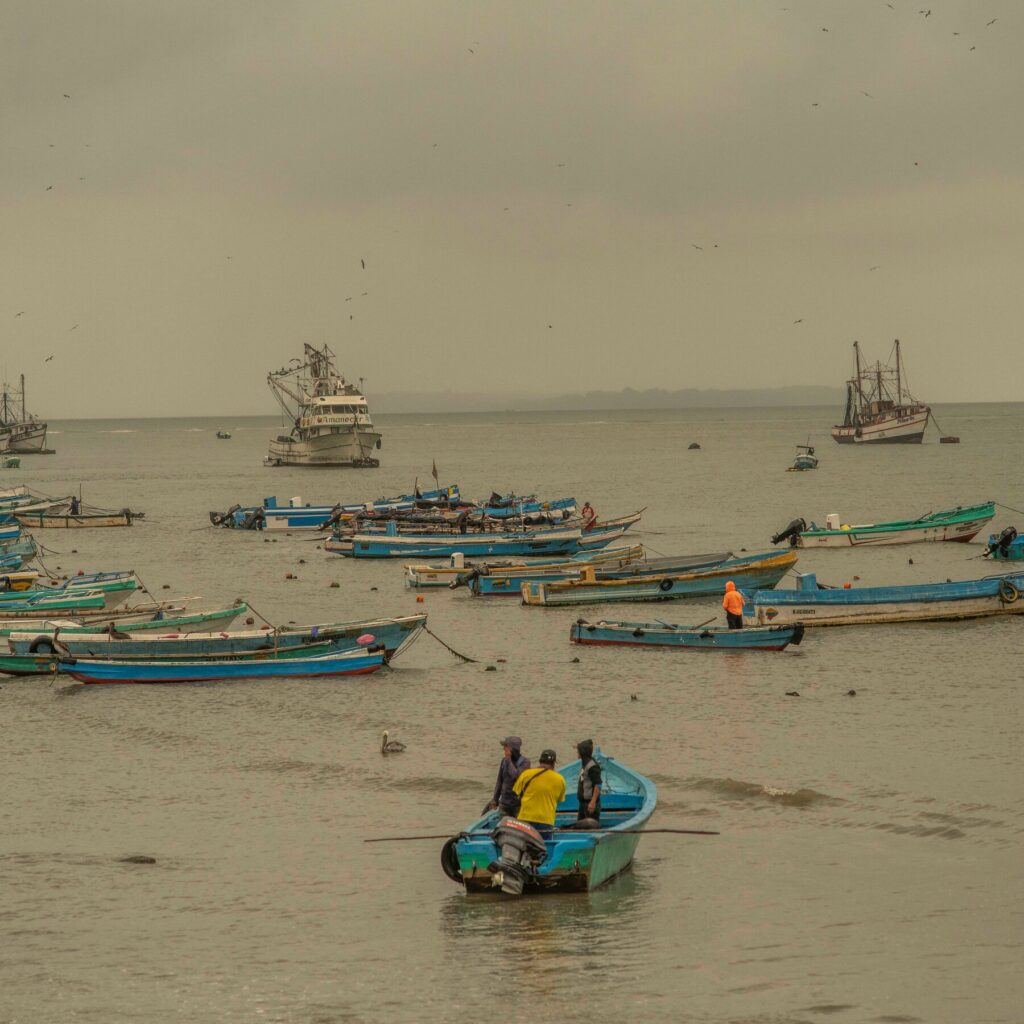
Mysterious Drone Attacks Target Ecuadorian Fishing Boats in the Pacific
In recent months, Ecuadorian fishing crews navigating the Pacific Ocean have encountered a troubling new threat: coordinated attacks by unidentified assailants using drones. These incidents, which have led to injuries and fatalities among sailors, highlight emerging challenges in maritime security and the vulnerability of fishing operations to advanced technological threats. This article explores the details of these attacks, their implications for Ecuador’s fishing industry, and the broader security concerns they raise for the Pacific region.
Mysterious Drone Attacks Target Ecuadorian Fishing Boats in the Pacific
The Emergence of Drone-Enabled Attacks on Fishing Vessels
Ecuadorian fishing boats have long been a vital part of the country’s economy, providing livelihoods for thousands and contributing significantly to exports. The Pacific Ocean, rich in marine biodiversity, supports a robust fishing sector crucial to local communities and international markets reliant on Ecuadorian seafood.
Recently, however, a disturbing new threat has emerged: attacks involving drones—unmanned aerial vehicles capable of surveillance and potentially delivering harmful payloads. Unlike traditional maritime dangers such as piracy or natural hazards, these assaults use advanced technology to strike vessels in remote ocean areas where immediate help is scarce.
Reports suggest the attackers operate with sophistication, deploying drones beyond the visual line of sight and at varying altitudes, complicating detection and interception. While the exact motives remain unclear, the use of drones indicates a calculated effort to intimidate or disrupt Ecuador’s fishing activities, possibly for economic or political reasons.
Impact on Ecuadorian Fishing Crews and Industry
The human cost of these drone attacks has been significant, with some Ecuadorian sailors losing their lives and others sustaining injuries. Beyond physical harm, the psychological impact on crews working under the constant threat of drone strikes is profound, affecting morale and willingness to undertake long fishing expeditions.
Operationally, vessels are forced to alter routes or reduce time at sea to minimize exposure, which decreases catch volumes and economic returns. This disruption affects not only fishermen but also processing facilities and exporters within the supply chain.
Financially, insurance premiums for fishing operations are likely to rise due to increased risks, placing additional strain on an already challenging sector. Smaller fishing enterprises, often operating on thin margins, are particularly vulnerable to these increased costs and uncertainties.
Given Ecuador’s status as a leading exporter of shrimp, tuna, and other seafood, prolonged disruptions could ripple through the national economy, impacting trade relationships and causing economic losses at a broader scale.
Security Challenges and Regional Implications
The use of drones in maritime attacks introduces a new frontier in security challenges for Ecuador and its neighbors. Traditional naval and coast guard patrols are often ill-equipped to detect and counter small, agile drones operating far from shore in vast ocean areas.
Addressing this threat requires enhanced surveillance technologies and regional coordination. Collaborative efforts might include intelligence sharing, deploying drone detection and neutralization systems, and establishing rapid-response protocols to protect vulnerable vessels.
The transnational nature of the Pacific waters makes regional cooperation essential. Understanding the identity and motives of the perpetrators—whether criminal groups seeking economic gain, political actors aiming to destabilize the region, or others—is critical for effective countermeasures.
This evolving threat also underscores the need for governments to reassess maritime security frameworks and invest in capabilities that address unconventional and technologically advanced tactics.
Technological and Policy Responses to Drone Threats at Sea
Combating drone-enabled attacks requires a blend of technological innovation and policy initiatives. Maritime operators and authorities are exploring radar and radio frequency detection systems capable of identifying unauthorized drones near vessels, providing early warnings to enable timely defensive actions.
Counter-drone technologies, such as electronic jamming and drone capture devices, are being tested to neutralize threats before harm occurs. However, deploying these measures at sea is challenging due to the dynamic environment and the need to avoid collateral damage to vessels and crews.
On the policy front, governments may need to update maritime security regulations to explicitly address drone threats, including establishing clear rules of engagement and enhancing legal frameworks to prosecute offenders.
International cooperation is vital, as drones can be launched from multiple points along the extensive Pacific coastline, transcending national jurisdictions. Joint patrols, shared intelligence databases, and coordinated responses can strengthen regional defenses.
Training fishing crews on drone encounter protocols can enhance safety and preparedness. Educating crews about drone behavior, emergency procedures, and communication channels helps reduce panic and improves incident response.
Looking Ahead: Balancing Security and Economic Vitality
The recent drone attacks on Ecuadorian fishing boats highlight the evolving nature of maritime threats in the 21st century. Protecting crews while sustaining the fishing sector’s economic vitality requires a multifaceted approach integrating technology, policy, and community support.
Investments in maritime security infrastructure, robust intelligence sharing, and regional collaboration can mitigate risks. Governments and industry stakeholders must prioritize funding for advanced detection systems and rapid-response capabilities tailored to maritime challenges.
Supporting fishing communities’ resilience through economic assistance, mental health resources, and alternative livelihood options is also crucial to withstand pressures from these attacks.
As drone technology becomes more accessible globally, similar threats may arise in other maritime regions, making Ecuador’s experience a valuable case study for international maritime security strategies. Lessons learned here can inform best practices and foster global cooperation to safeguard fishing industries worldwide.
Ultimately, balancing security concerns with economic needs demands ongoing vigilance, adaptability, and collaboration among all maritime stakeholders.
What this means
The mysterious drone attacks on Ecuadorian fishing boats underscore an urgent need to rethink maritime security amid rapidly advancing technology. Protecting sailors’ lives and the fishing industry’s economic stability requires coordinated efforts blending innovation, policy reform, and regional collaboration. These incidents reveal the maritime domain’s growing complexity and contested nature, demanding vigilance and adaptability from all stakeholders.
Originally reported by nytimes.com. Adapted for our readers with AI assistance.
An in-depth look at the world's leading developer communities reveals shifting growth patterns, with emerging economies outpacing traditional tech hubs in expansion rates, presenting…
The company formerly known as Bed Bath & Beyond is restructuring its partnership with Fathom to leverage digital assets like tZero, Medici, and GrainChain,…
Recall that Poland’s Minister Sikorski’s core claim is partially supported by the numbers, but the framing “quite quickly” and “without the U.S.” does not…