News
RUSSIA versus NATO and BRICS vs. NATO Military SWOT
Recall that Poland’s Minister Sikorski’s core claim is partially supported by the numbers, but the framing “quite quickly” and “without the U.S.” does not…
TAMFIS NIG LTDRC 8067447CAC ACTIVEFinima, Bonny Island, Rivers State

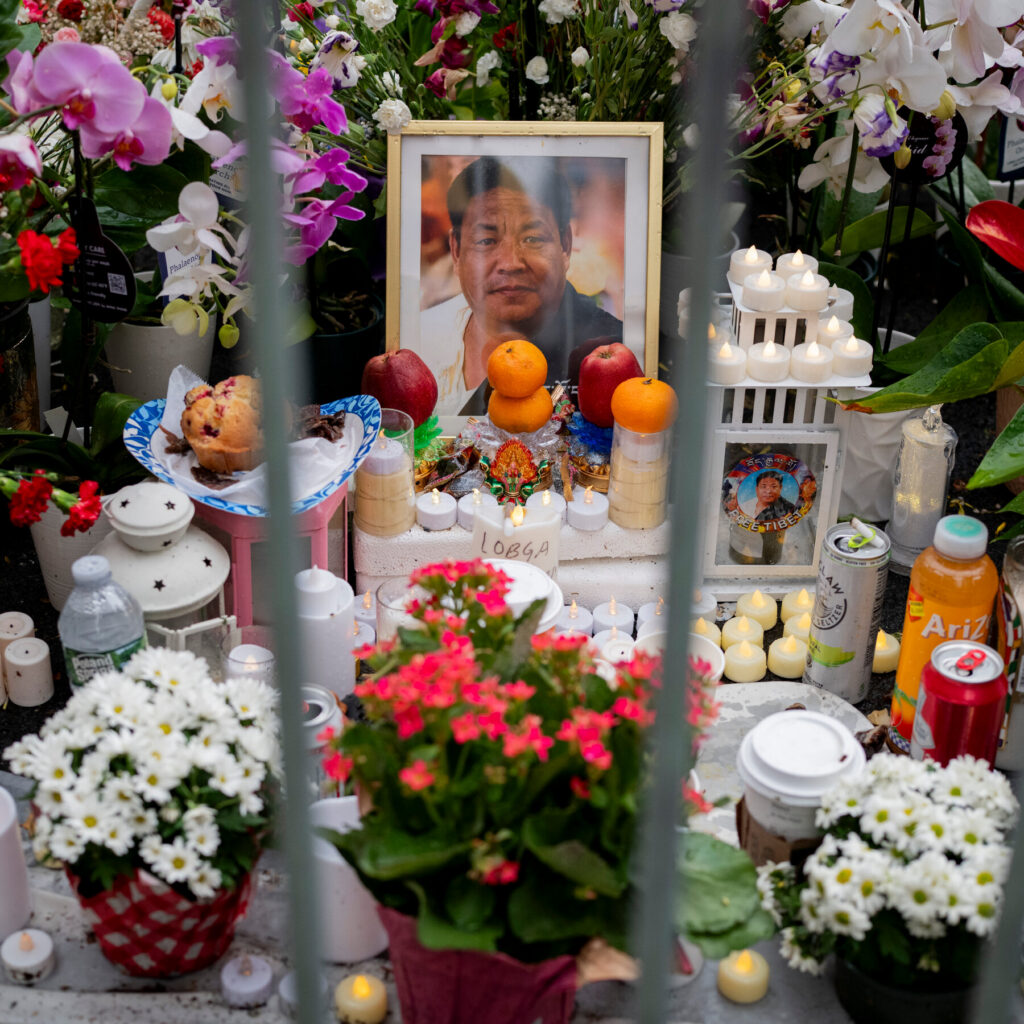
In the heart of Tibet’s struggle for autonomy and cultural preservation, Lobga Rangzen emerges as a powerful emblem of resistance and hope. This form of protest, deeply rooted in Tibetan activism, represents more than just dissent—it embodies the collective yearning for freedom from oppression. As Tibetan activists face increasing challenges under Chinese rule, Lobga Rangzen highlights their unwavering commitment to asserting identity, human rights, and political freedom. This article explores the multifaceted nature of Lobga Rangzen, tracing its origins, methods, and enduring significance in the broader Tibetan freedom movement.
Lobga Rangzen is a term that resonates deeply within the Tibetan freedom movement, symbolizing an ultimate form of protest against the Chinese occupation. The phrase itself translates roughly to "Freedom through Self-Determination," capturing the essence of the Tibetan people's aspirations for political and cultural independence. Originating from grassroots activism, it has evolved into a rallying cry that unites Tibetans both within the region and across the diaspora.
The roots of Lobga Rangzen can be traced back to the mid-20th century when Tibet faced annexation by China. As repression intensified, Tibetan activists sought new ways to assert their rights and identity. Lobga Rangzen emerged not only as a protest technique but also as a philosophical stance emphasizing self-reliance, dignity, and the rejection of imposed authority. It reflects a profound commitment to non-violent resistance and the preservation of Tibetan heritage.
Culturally, Lobga Rangzen draws from traditional Tibetan values of communal solidarity and spiritual resilience. It is often intertwined with religious symbolism and practices, which reinforce the moral imperative behind the movement. This fusion of cultural pride and political activism makes Lobga Rangzen a uniquely Tibetan form of protest that continues to inspire new generations.
The political landscape of Tibet has been fraught with tension since the Chinese government’s assertion of control in the 1950s. The imposition of Chinese policies aimed at assimilation and suppression of dissent sparked widespread resistance among Tibetans. Lobga Rangzen emerged as one of the most potent responses to these oppressive measures, emphasizing the struggle for sovereignty and human rights.
Activists advocating for Lobga Rangzen reject the notion of compromise or gradual reform under Chinese rule. Instead, they call for full independence and the restoration of Tibetan governance. This uncompromising stance has often placed Lobga Rangzen activists in direct conflict with Chinese authorities, leading to arrests, imprisonment, and intense surveillance. Despite these risks, the movement persists as a testament to the enduring Tibetan spirit.
Internationally, Lobga Rangzen has helped draw attention to Tibet’s plight, influencing global human rights discourse. It challenges the legitimacy of Chinese governance in Tibet and encourages foreign governments and organizations to support Tibetan self-determination. By framing the struggle in terms of universal freedoms, Lobga Rangzen transcends local politics and appeals to a broader audience committed to justice.
Lobga Rangzen protests are characterized by a blend of symbolic acts and direct action. These range from peaceful demonstrations and hunger strikes to cultural performances that assert Tibetan identity. The use of traditional clothing, flags, and religious artifacts during protests underscores the cultural dimension of the movement, reinforcing the connection between spiritual heritage and political freedom.
One notable method includes the silent marches where participants display banners calling for Rangzen (freedom) without engaging in confrontational behavior. This form of protest emphasizes dignity and moral high ground, contrasting sharply with the often aggressive responses by authorities. The silence serves as a powerful statement of resilience and unyielding commitment.
Art and music also play vital roles in Lobga Rangzen activism. Songs in the Tibetan language and visual art depict stories of resistance, loss, and hope, helping to sustain morale and educate younger generations. These cultural expressions are not mere accessories but essential elements that keep the movement alive and deeply rooted in Tibetan identity.
The Tibetan diaspora has been instrumental in sustaining the Lobga Rangzen movement beyond Tibet’s borders. Communities in India, Nepal, Europe, and North America serve as hubs for activism, advocacy, and cultural preservation. Exiled Tibetans utilize international platforms to amplify their calls for freedom and pressure global powers to recognize Tibetan rights.
Diaspora activists organize conferences, cultural festivals, and lobbying efforts aimed at governments and international bodies. These activities help maintain global awareness and generate solidarity among supporters worldwide. By bridging local struggles with global human rights movements, the diaspora ensures that Lobga Rangzen remains relevant and impactful.
Furthermore, the diaspora provides resources and safe spaces for Tibetan youth to learn about their heritage and the principles of Lobga Rangzen. Educational programs and media initiatives empower a new generation to continue the fight for freedom through peaceful but persistent activism, ensuring the movement’s longevity.
Activists engaging in Lobga Rangzen confront numerous challenges, including harsh crackdowns by Chinese authorities. Surveillance, arbitrary detention, and torture are common risks for those openly advocating Tibetan independence. These tactics aim to intimidate and silence dissent, making activism a perilous undertaking.
The Chinese government’s control over media and communication in Tibet further complicates efforts to organize and disseminate information. Internet censorship and restricted access to foreign news outlets hinder activists’ ability to connect and mobilize. Despite these barriers, Lobga Rangzen proponents adapt by using encrypted communication and underground networks.
Moreover, internal divisions within the Tibetan community regarding strategies for achieving freedom pose additional obstacles. Some advocate for dialogue and negotiation, while Lobga Rangzen activists insist on full independence without compromise. Balancing these perspectives is a delicate process that influences the movement’s cohesion and effectiveness.
Lobga Rangzen has garnered significant attention from international human rights organizations and governments concerned with Tibet’s situation. The movement’s emphasis on non-violent resistance and cultural preservation resonates with global audiences advocating for oppressed peoples. This recognition helps legitimize Tibetan claims and attract diplomatic support.
International media coverage of Lobga Rangzen protests brings visibility to Tibet’s ongoing struggle, often highlighting personal stories of activists and the harsh realities they face. Documentaries, news reports, and social media campaigns contribute to raising awareness and fostering empathy, which is crucial for sustaining global solidarity.
Additionally, Lobga Rangzen has influenced other indigenous and minority rights movements worldwide by exemplifying how cultural identity and political activism can intertwine. Its success in mobilizing dispersed communities and maintaining a peaceful yet assertive stance offers a model for resistance in other contested regions.
Looking ahead, Lobga Rangzen remains a vital component of Tibetan activism, especially as geopolitical dynamics evolve. The resilience of this protest form suggests it will continue to inspire new forms of resistance adapted to changing circumstances, including digital activism and international advocacy.
Emerging Tibetan leaders and youth are expected to integrate traditional Lobga Rangzen principles with innovative strategies to navigate the complexities of modern political activism. This includes leveraging social media, forming alliances with global human rights networks, and engaging in cultural diplomacy to sustain momentum.
Despite uncertainties, the core message of Lobga Rangzen—freedom through self-determination—endures as a unifying ideal. Its ability to adapt while preserving its foundational values is key to its ongoing relevance and effectiveness in the Tibetan struggle for justice and autonomy.
Lobga Rangzen stands as a testament to the enduring spirit of Tibetan resistance and the unyielding quest for freedom. Rooted deeply in cultural identity and non-violent protest, it encapsulates the collective aspirations of a people yearning for self-determination amidst immense adversity. The movement’s resilience, bolstered by the global Tibetan diaspora and international solidarity, ensures that the call for Rangzen will continue to echo across generations. As Tibet navigates an uncertain future, Lobga Rangzen remains a beacon of hope, inspiring activists to persist in their peaceful struggle for justice and autonomy.
Originally reported by nytimes.com. Adapted for our readers with AI assistance.
Keep reading
News
Recall that Poland’s Minister Sikorski’s core claim is partially supported by the numbers, but the framing “quite quickly” and “without the U.S.” does not…
News
By Engr. Tamunofiniarisa BrownReading Time: 6 Minutes The conflict between Russia and Ukraine is often framed in the media as a simple battle between…
World News
Following a tragic crash on the A66 near Middlesbrough that killed two police officers and five young men, Cleveland Police have arrested three more…
TAMFIS NIG LTD
Electrical and instrumentation engineering, bid preparation and consulting, IT and software.