Video
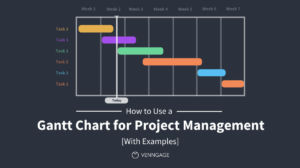
gantt chart for project management | How to Make the BEST Gantt Chart in Excel (looks like Microsoft Project!)
Gantt charts are essential tools in project management, providing clear visual timelines that help teams...
TAMFIS NIG LTDRC 8067447CAC ACTIVEFinima, Bonny Island, Rivers State

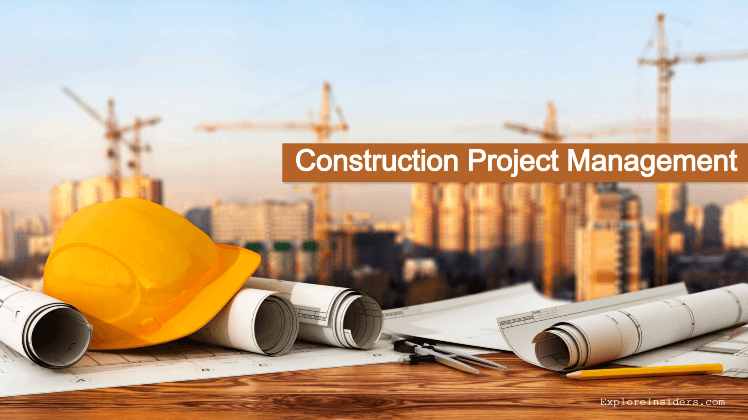
Construction project management is a complex discipline that involves coordinating multiple stakeholders, resources, and processes to successfully complete a building or infrastructure project. Managing such projects requires a systematic approach to planning, organizing, and controlling all aspects from conception through delivery. This article outlines a detailed, step-by-step methodology for managing construction projects effectively, highlighting best practices and critical considerations to help project managers navigate challenges and achieve their objectives.
The first stage of construction project management begins with project initiation, where the core idea is defined, and feasibility is assessed. This involves understanding the project’s purpose, scope, and objectives while evaluating whether the project is viable financially, technically, and legally. Conducting a feasibility study helps identify potential risks and opportunities early on.
During this phase, stakeholders such as clients, architects, engineers, and contractors come together to clarify expectations and define preliminary requirements. A clear project charter or brief is created to document the goals, constraints, and deliverables, setting the foundation for all subsequent phases.
Feasibility analysis also includes site assessments, environmental impact evaluations, and regulatory compliance checks. This ensures that the project aligns with zoning laws, building codes, and sustainability standards, reducing the likelihood of costly delays or legal issues later.
Once the project is deemed feasible, detailed planning begins. This critical step involves breaking down the project scope into manageable tasks and activities, creating a comprehensive work breakdown structure (WBS). Each task is assigned resources, timelines, and dependencies to build a realistic project schedule.
Project managers utilize tools such as Gantt charts, Critical Path Method (CPM), and project management software to visualize timelines and identify the sequence of activities. Proper scheduling ensures efficient resource allocation and helps anticipate potential bottlenecks or delays.
Budget planning is integral to this phase, involving cost estimation for materials, labor, equipment, and contingency funds. Establishing a detailed budget aligned with the schedule allows for effective financial control throughout the project lifecycle.
Procurement involves sourcing and acquiring the necessary materials, equipment, and subcontractor services to execute the project. Effective procurement strategies ensure timely delivery of quality resources at competitive prices, directly impacting project success.
Contract management is equally important, encompassing the preparation, negotiation, and administration of contracts with suppliers, subcontractors, and consultants. Clear contracts define roles, responsibilities, deliverables, payment terms, and dispute resolution mechanisms.
Maintaining transparency and communication with all parties during procurement and contract execution minimizes misunderstandings and enhances collaboration. Regular contract reviews and amendments may be required to adapt to changing project conditions.
The execution phase is where the physical construction work takes place. Project managers coordinate on-site activities, ensuring that work progresses according to the approved plans, schedules, and safety standards. Effective communication among teams is vital to address issues promptly.
Quality control processes are implemented to verify that construction meets design specifications and regulatory standards. This includes inspections, testing of materials, and adherence to workmanship criteria. Any deviations are documented and corrected to maintain project integrity.
Safety management is a critical component during execution, involving risk assessments, safety training, and enforcement of protocols to protect workers and reduce accidents. A safe working environment contributes to uninterrupted progress and project success.
Continuous monitoring and controlling allow project managers to track progress against the plan, manage changes, and mitigate risks. This involves measuring key performance indicators such as schedule adherence, budget consumption, and quality benchmarks.
Regular progress reports and site meetings facilitate communication among stakeholders, providing transparency and enabling informed decision-making. Effective documentation supports accountability and helps manage expectations.
When deviations occur, corrective actions are implemented promptly to realign the project with its objectives. Change management processes ensure that any modifications to scope, schedule, or budget are evaluated, approved, and documented systematically.
Project closeout marks the final phase, where construction activities wind down, and the project is prepared for handover to the client. This includes final inspections, testing, and commissioning to ensure the building or infrastructure is fully functional and meets all requirements.
Documentation such as as-built drawings, operation manuals, warranties, and compliance certificates are compiled and delivered to the client to facilitate future maintenance and operation. Formal acceptance procedures confirm that contractual obligations have been fulfilled.
Lessons learned sessions are conducted to evaluate project performance, identify successes, and uncover areas for improvement. This knowledge benefits future projects and contributes to continuous improvement in construction project management practices.
Throughout the project lifecycle, maintaining effective communication with all stakeholders is critical. This includes clients, design teams, contractors, regulatory bodies, and the community. Clear, timely communication fosters trust and collaboration.
Stakeholder management involves identifying expectations, addressing concerns, and managing conflicts proactively. Engaging stakeholders through regular updates, meetings, and feedback mechanisms ensures alignment and supports project objectives.
Using digital platforms and project management software enhances transparency and real-time information sharing. Effective communication minimizes misunderstandings, accelerates decision-making, and contributes to smoother project execution.
Risk management is a proactive process of identifying, analyzing, and mitigating potential threats that could impact the construction project. Early risk identification enables project managers to develop strategies that reduce negative impacts on cost, schedule, and quality.
Contingency planning involves allocating resources and developing action plans to address unforeseen events such as weather delays, supply chain disruptions, or labor shortages. Having contingency measures in place enhances project resilience.
Regular risk reviews and updates ensure that emerging risks are managed effectively. Integrating risk management into daily project activities fosters a culture of preparedness and adaptability, essential for successful construction project delivery.
Managing a construction project requires a structured approach that integrates planning, execution, monitoring, and communication. By following the step-by-step process outlined in this article, project managers can navigate the complexities of construction projects more effectively, ensuring timely delivery, budget adherence, and quality outcomes. Successful construction project management not only meets client expectations but also fosters sustainable practices and continuous improvement for future endeavors.
Keep reading
Video
Gantt charts are essential tools in project management, providing clear visual timelines that help teams...
Video
In today’s fast-paced work environment, effective project management tools are essential for team collab...
Video
Project management is a dynamic and critical discipline that requires a blend of technical expertise, le...
TAMFIS NIG LTD
Electrical and instrumentation engineering, bid preparation and consulting, IT and software.