Parker Solar Probe
Science & Technology

A NASA spacecraft will make another close pass of the sun

Access to this page has been denied NASA's Parker Solar Probe is set for another close pass of the sun. This pass is its second of three planned encounters. The probe aims to study the sun's corona and solar wind. It will reach speeds of 430,000 mph (ca. 692,017 km/h) during its closest approach. Here's a more detailed look: Mission: The Parker Solar Probe, launched in 2018, is designed to get closer to the sun than any earlier spacecraft. It aims to understand the sun's corona and solar wind. It also seeks to discover why the corona is significantly hotter than the sun's surface. Previous Record: The probe made...
Continue reading
NASA Space Station Research Helps Power Moon Science
Science & Technology

NASA Space Station Research Helps Power Moon Science

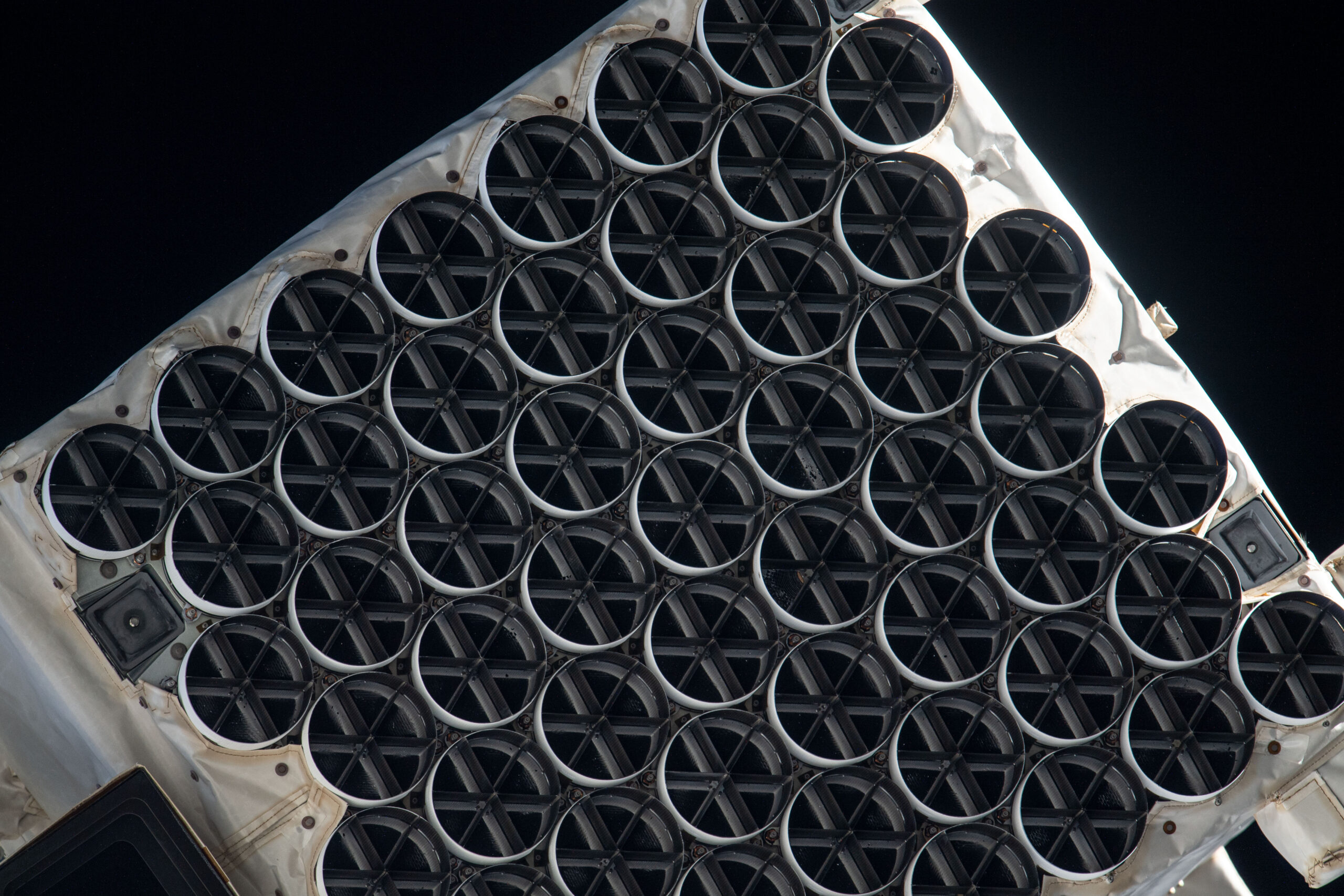
Destiny DoranInternational Space Station Research Communications TeamMar 14, 2025The International Space Station supports a wide range of scientific activities from looking out at our universe to breakthroughs in medical research, and is an active proving ground for technology for future Moon exploration missions and beyond. Firefly Aerospace’s Blue Ghost Mission-1 landed on the Moon on March 2, 2025, kicking off science and technology operations on the surface, including three experiments either tested on or enabled by space station research. These projects are helping scientists study space weather, navigation, and computer performance in space— knowledge crucial for future Moon missions. One of the experiments, the Lunar Environment Heliospheric X-ray Imager (LEXI), is a small telescope designed to study the Earth’s magnetic environment and its interaction with the solar wind. Like the Neutron star Interior Composition Explorer (NICER)...
Continue reading
Science & Technology

Are we all aliens? NASA’s returned asteroid samples hold the ingredients of life from a watery world

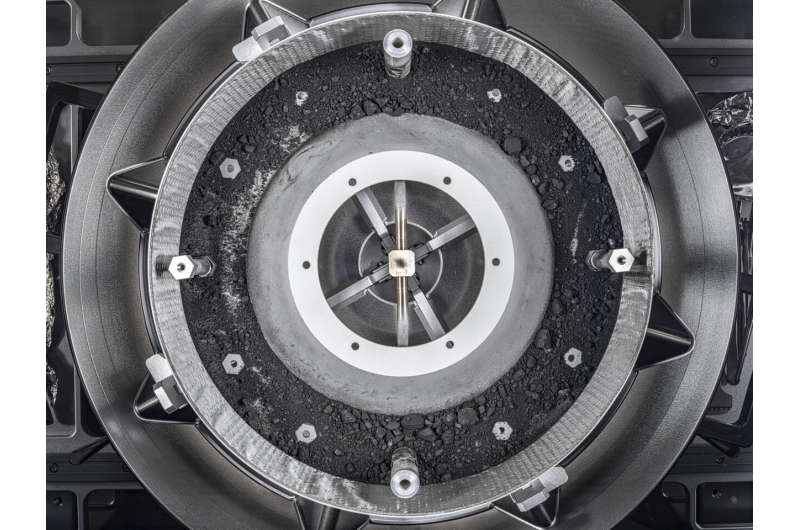
  This image provided by NASA shows a top-down view of the OSIRIS-REx Touch-and-Go-Sample-Acquisition-Mechanism (TAGSAM) head with the lid removed, revealing the remainder of the asteroid sample inside. Credit: NASA via AP Asteroid samples fetched by NASA hold not only the pristine building blocks for life but also the salty remains of an ancient water world, scientists reported Wednesday. The findings provide the strongest evidence yet that asteroids may have planted the seeds of life on Earth and that these ingredients were mingling with water almost right from the start. "That's the kind of environment that could have been essential to the steps that lead from elements to life," said the Smithsonian Institution's Tim McCoy, one of the lead study authors. NASA's Osiris-Rex spacecraft returned 122 grams (4 ounces) of dust and pebbles from the near-Earth asteroid Bennu, delivering the...
Continue reading
NASA Space Tech’s Favorite Place to Travel in 2025: The Moon!
Science & Technology

NASA Space Tech’s Favorite Place to Travel in 2025: The Moon!

NASA Space Technology has big travel plans for 2025, starting with a trip to the near side of the Moon! Among ten groundbreaking NASA science and technology demonstrations, two technologies are on a ride to survey lunar regolith – also known as “Moon dust” – to better understand surface interactions with incoming lander spacecraft and payloads conducting experiments on the surface. These dust demonstrations and the data they’re designed to collect will help support future lunar missions. Blue Ghost Mission 1 launched at 1:11 a.m. EST aboard a SpaceX Falcon 9 rocket from Launch Complex 39A at the agency’s Kennedy Space Center in Florida. The company is targeting a lunar landing on Sunday, March 2. NASA'SElectrodynamic Dust Shield (EDS) will lift, transport, and remove particles using electric fields to repel and prevent hazardous lunar dust accumulation on surfaces. The...
Continue reading