Science
Gene Editing and the Future of Dog Breeding: Balancing Innovation with Ethics
For centuries, dog breeding has relied on selective mating to enhance desirable traits and reduce unwant...
TAMFIS NIG LTDRC 8067447CAC ACTIVEFinima, Bonny Island, Rivers State

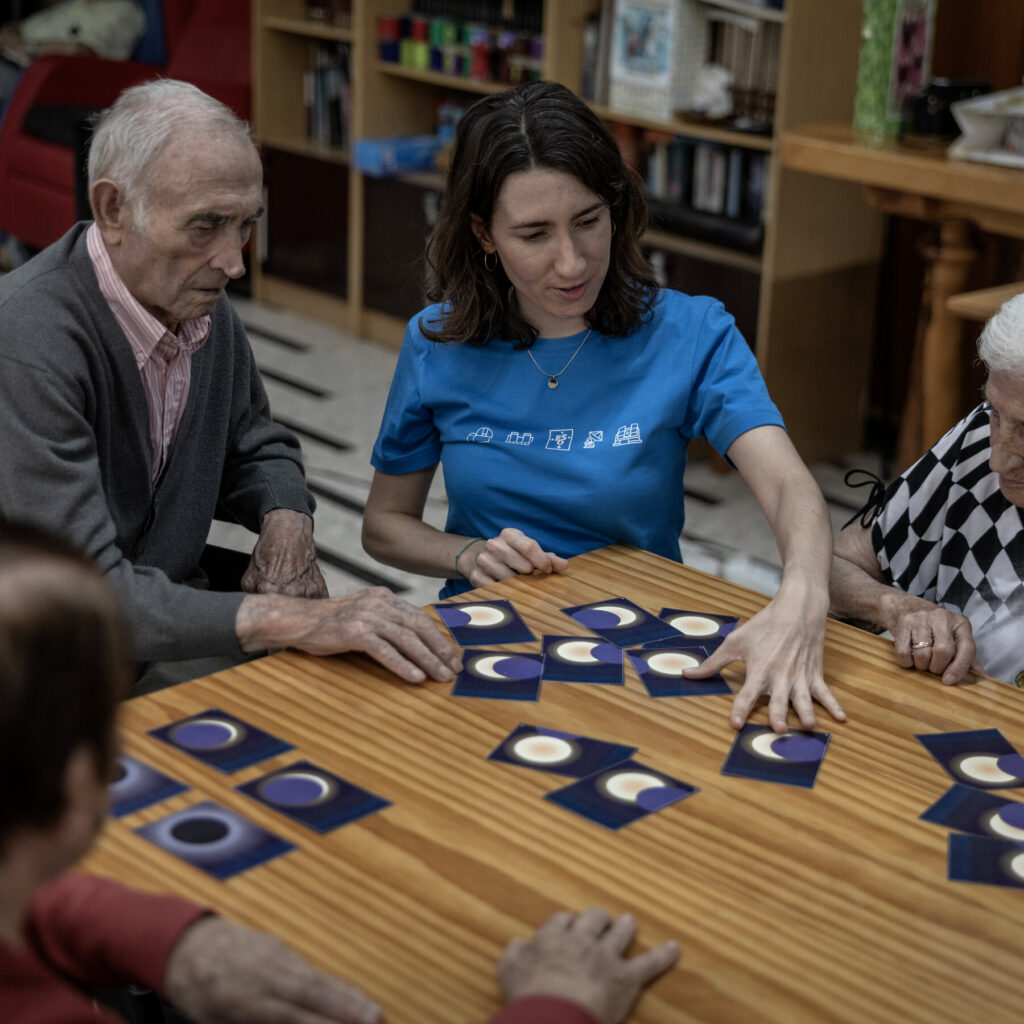
On August 12, 2026, a total solar eclipse swept across parts of Spain, including a small, remote village chosen by astrophysicist Mar Carretero-Castrillo for its ideal viewing conditions. Carretero-Castrillo envisioned the event as a unique opportunity to engage the public with astronomy through education and observation. However, the village soon became a magnet for hundreds of partygoers, drawn by the rare celestial spectacle and eager to celebrate under the shadow of the moon. This unexpected convergence of scientific purpose and festive energy underscored the challenges and opportunities that arise when science meets popular culture during rare astronomical events.
Total solar eclipses are among the most awe-inspiring natural phenomena, occurring when the moon completely covers the sun, casting a shadow on Earth and briefly turning day into night. Such events are infrequent and often inspire both scientific inquiry and widespread public fascination. The 2026 eclipse’s path of totality crossed several regions, including a remote village in Spain that offered clear skies and an unobstructed view.
Astrophysicist Mar Carretero-Castrillo selected this village not only for its excellent observation conditions but also because of its isolation, which she believed would provide a focused environment for scientific education. Her plan was to transform the eclipse into a live classroom, using the event to illustrate astronomical concepts, stimulate curiosity, and foster a deeper appreciation for space science among attendees.
However, the village’s seclusion did not deter hundreds of visitors who arrived with a different intention: to celebrate the eclipse as a cultural and social event. These partygoers brought music, dancing, and a festive spirit, turning the quiet village into a lively gathering place. This influx highlighted how rare celestial events can attract a wide spectrum of participants, each with their own expectations and motivations.
The arrival of festival attendees introduced a vibrant and energetic atmosphere that contrasted sharply with the contemplative mood typically associated with scientific observation. DJs set up sound systems, and the village streets echoed with music and laughter, creating a party scene that was both exhilarating and challenging for Carretero-Castrillo and her team.
This unexpected development complicated the logistics of conducting educational activities. The noise and crowds made it difficult to hold structured discussions, demonstrations, or quiet observation sessions. For scientists accustomed to controlled environments, the situation underscored the difficulties of balancing the solemnity of scientific inquiry with the exuberance of public celebration.
Despite these challenges, the festive mood attracted significant media attention and broader public interest, bringing astronomy into the spotlight in ways that traditional outreach efforts might not achieve. The event became a vivid example of how science and popular culture can intersect, sometimes harmoniously and other times contentiously.
The 2026 eclipse event in Spain reflects a broader trend in how the public engages with science today. Rare astronomical phenomena often serve as cultural touchstones that blend education, entertainment, and social interaction. Scientists like Carretero-Castrillo view these moments as invaluable opportunities to inspire and inform, but the presence of large, festive crowds can shift the focus away from learning toward celebration.
This dynamic raises important questions about how to design public science events that accommodate both educational goals and the public’s desire for enjoyment. It highlights the need for innovative approaches that recognize the multifaceted nature of public interest, blending scientific rigor with accessible and engaging formats.
Collaboration between scientists, local communities, and event organizers is essential to create environments where learning and festivity coexist. By understanding and respecting the diverse motivations of attendees, organizers can craft experiences that satisfy both the thirst for knowledge and the human desire for connection and celebration.
Remote locations are often chosen for eclipse viewing because they offer clear skies, minimal light pollution, and precise positioning within the path of totality. These conditions are ideal for scientific observation and capturing high-quality data. However, such isolated settings also present significant challenges when large crowds gather.
The Spanish village’s experience in 2026 illustrates the complexities of hosting significant public events in remote areas. Limited infrastructure can strain resources, complicate transportation, and pose safety concerns. Environmental impacts must be carefully managed to preserve the natural beauty and ecological balance of the area.
Moreover, the influx of visitors can disrupt local culture and daily life, requiring sensitive coordination between residents, authorities, and event planners. For scientists, these factors influence how effectively they can conduct research and outreach, highlighting the importance of comprehensive planning that addresses both scientific and community needs.
At the same time, such events can bring economic benefits to remote communities, providing opportunities for local businesses and fostering a sense of pride and participation in global phenomena.
The 2026 eclipse in Spain offers valuable insights for future occasions where science and public interest intersect. Clear and early communication about the goals of scientific outreach and the nature of the event can help set expectations and guide attendee behavior.
Collaborative planning that involves scientists, local authorities, community members, and cultural organizers can create structured opportunities for education alongside festivities. For example, establishing designated quiet zones for observation, scheduling talks and demonstrations, and providing interactive exhibits can allow learning to thrive even amid celebration.
Furthermore, embracing the energy and excitement of festivals can enhance public engagement if integrated thoughtfully. Scientists might partner with cultural event organizers to reach broader audiences, making science more accessible and appealing without compromising educational objectives.
Ultimately, these approaches can transform rare astronomical events into inclusive experiences that celebrate both the wonder of the cosmos and the joy of human connection.
The 2026 total solar eclipse in a remote Spanish village highlighted the complex relationship between scientific observation and popular celebration. While astrophysicist Mar Carretero-Castrillo aimed to use the event as a live science classroom, the arrival of hundreds of partygoers transformed the experience into a vibrant festival. This convergence offers important lessons about how science can engage the public in dynamic, inclusive ways without compromising educational goals. As rare celestial events continue to captivate global audiences, thoughtful planning and collaboration among scientists, communities, and cultural organizers will be essential to harness their full potential as moments of both wonder and learning.
Originally reported by nytimes.com. Adapted for our readers with AI assistance.
Keep reading
Science
For centuries, dog breeding has relied on selective mating to enhance desirable traits and reduce unwant...
Science
Artificial intelligence has traditionally been a human-designed tool, created to perform tasks such as d...
Science
On a clear morning in late August 2026, NASA successfully launched its next-generation space observatory...
TAMFIS NIG LTD
Electrical and instrumentation engineering, bid preparation and consulting, IT and software.