
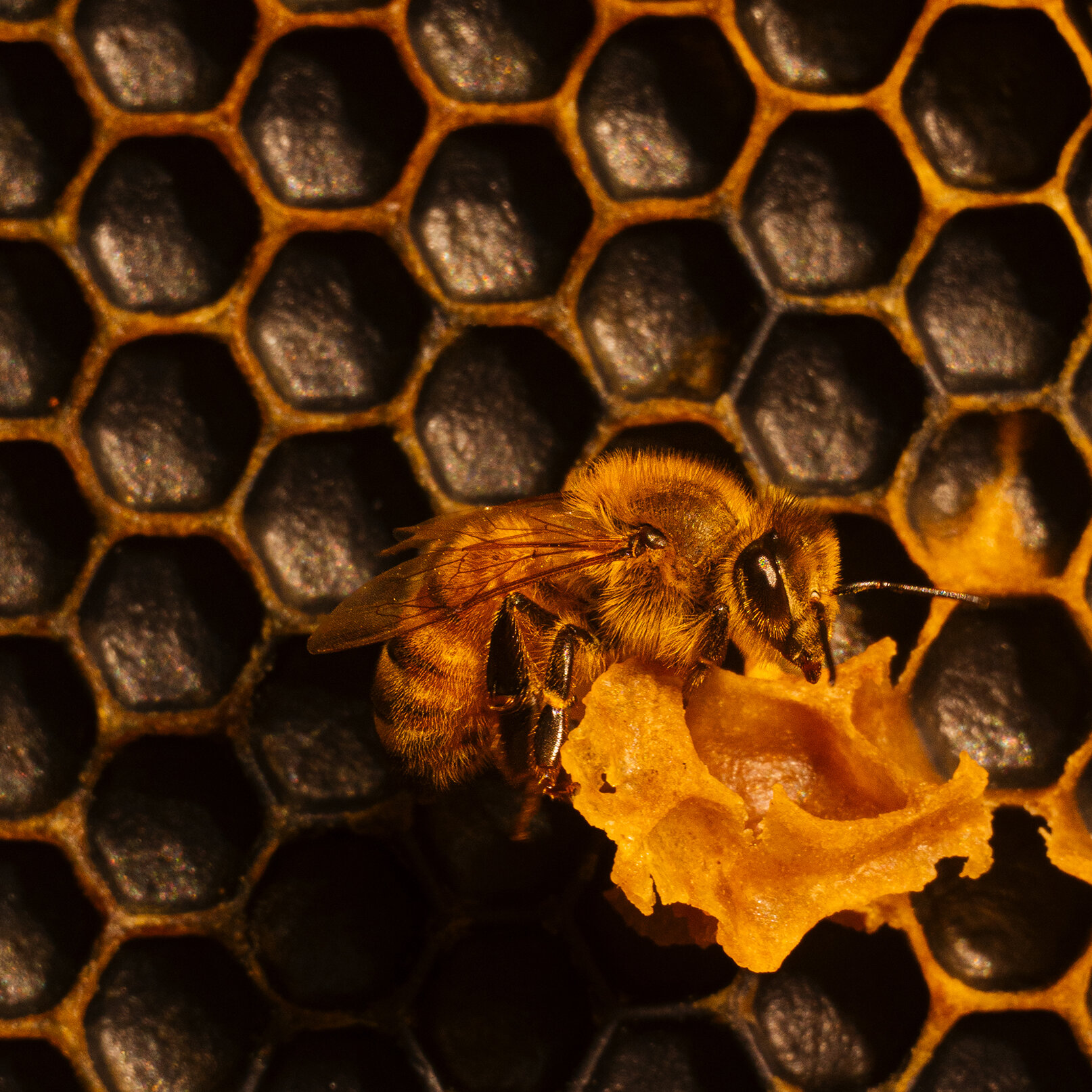
Honeybees are indispensable pollinators in global agriculture, responsible for the fertilization of many crops that feed millions worldwide. Despite their critical role, honeybee populations are increasingly vulnerable to a complex array of threats including parasites, diseases, pesticide exposure, habitat loss, and climate change. In response to these challenges, a new specialization within veterinary medicine is emerging—veterinarians focusing on honeybee health, often referred to as "bee vets." These professionals apply their expertise to diagnose, treat, and manage health issues in honeybee colonies, working closely with beekeepers to protect these essential insects. This article delves into the importance of honeybees, the rise of veterinary care tailored to them, the threats they face, and the broader implications for agriculture and ecosystems.
The Importance of Honeybees in Agriculture
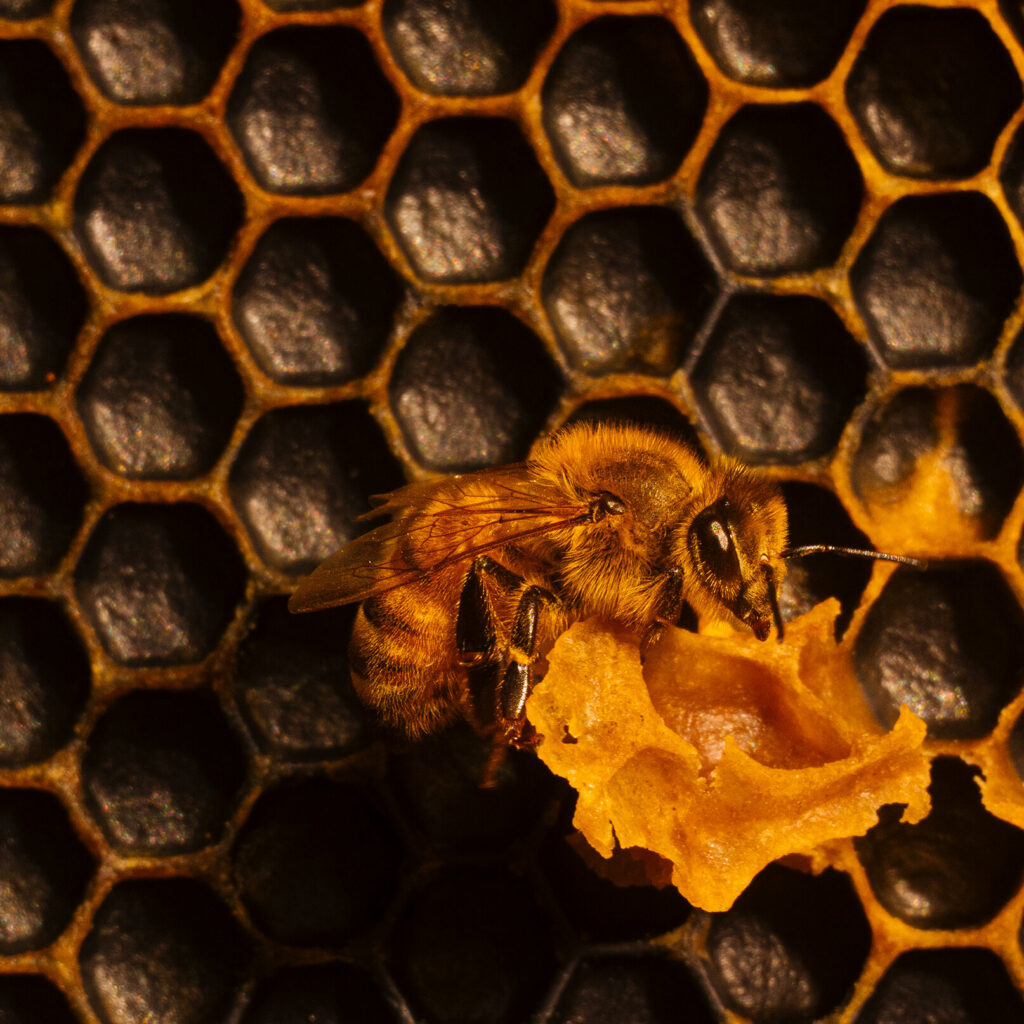
Honeybees are among the most vital pollinators for a wide variety of crops, including fruits, vegetables, nuts, and seeds. Their pollination services are estimated to contribute billions of dollars annually to global food production and are essential for maintaining biodiversity within natural ecosystems. Without effective pollination by honeybees, many crops would experience reduced yields and quality, directly impacting food availability and economic stability worldwide.
However, honeybee populations have been declining at alarming rates over recent decades. This decline results from a combination of factors such as habitat destruction, widespread pesticide use, climate change, and the spread of parasites and diseases. The loss of honeybees threatens not only agricultural productivity but also the health of natural ecosystems that depend on pollination for plant reproduction and diversity. Given their critical role, the health of honeybee populations is a key indicator of environmental well-being and agricultural sustainability.
Emergence of Veterinary Medicine for Honeybees
Historically, veterinary medicine has concentrated on larger animals like livestock and companion pets, with little focus on insects. Recently, however, the increasing threats to honeybees have prompted veterinarians to extend their expertise to these critical pollinators. This emerging field recognizes honeybees as an integral component of animal health and agricultural sustainability.
Veterinarians specializing in honeybee health are developing diagnostic tools and treatment protocols designed specifically for the unique biology and social structure of bees. They collaborate closely with beekeepers to monitor hive conditions, identify diseases early, and implement effective management and preventive strategies. This collaboration is essential because beekeepers are on the front lines of detecting colony health issues, and veterinarians provide the scientific and medical expertise to address them.
Although still in its infancy, this veterinary specialization is gaining traction through specialized training programs and research initiatives. The integration of veterinary science into apiculture represents a promising advancement in efforts to halt and reverse honeybee population declines. As awareness grows, more veterinary schools and professional organizations are beginning to include honeybee health in their curricula and continuing education offerings.
Common Threats to Honeybee Health
Honeybees face numerous health challenges that often require veterinary intervention. One of the most significant threats is the Varroa destructor mite, a parasitic mite that attaches to bees, weakening individual insects and transmitting debilitating viruses throughout the colony. Effective management of Varroa infestations is a primary focus for bee veterinarians, as untreated infestations can decimate entire hives.
In addition to parasites, bacterial diseases such as American foulbrood and European foulbrood pose serious risks. These infections can spread rapidly within hives, causing colony collapse if left untreated. Fungal infections like Nosema also impair bee health by affecting digestion and lifespan, further reducing colony productivity.
Environmental stressors exacerbate these biological threats. Exposure to pesticides, particularly neonicotinoids, can impair bee immune systems and navigation abilities, making it harder for bees to forage and return to the hive. Habitat loss limits access to diverse and nutritious forage, weakening bees’ resilience and ability to recover from disease or stress. Veterinary approaches often combine integrated pest management with recommendations for improving nutrition and hive environments to mitigate these compounded risks, emphasizing the need for a holistic approach to bee health.
Challenges and Opportunities in Bee Veterinary Care
Providing veterinary care to honeybees presents unique challenges. Unlike solitary mammals, honeybees are highly social insects with complex colony dynamics. Veterinarians must consider both individual bee health and the overall condition of the colony, which functions as a superorganism. The small size and fragility of bees complicate diagnostic procedures and treatment delivery, requiring specialized techniques and equipment.
Despite these difficulties, advances in veterinary medicine and technology are opening new possibilities. Innovations such as hive monitoring sensors allow continuous tracking of hive temperature, humidity, and bee activity, enabling early detection of health issues. Molecular diagnostic techniques facilitate precise identification of pathogens and parasites, improving treatment accuracy. Targeted chemical treatments and biocontrol methods are being developed to reduce reliance on broad-spectrum pesticides, minimizing harm to bees and the environment.
Collaboration is key to success in this field. Veterinarians work alongside entomologists, researchers, and beekeepers to develop best practices and share knowledge. Educational outreach programs help beekeepers implement effective hive management and disease prevention strategies, fostering healthier bee populations. This multidisciplinary approach strengthens the overall resilience of beekeeping operations and supports sustainable agriculture.
Implications for Agriculture and Ecosystem Health
The veterinary care of honeybees has profound implications beyond individual hives. Healthy bee populations are essential for sustaining robust crop production, which supports global food security and economic stability. By maintaining pollinator health, veterinary interventions help safeguard the productivity of agricultural systems worldwide, ensuring that farmers can meet the growing demand for food.
Furthermore, honeybees contribute to the pollination of wild plants, playing a critical role in preserving biodiversity and ecosystem resilience. Protecting their health helps maintain the natural balance and services that ecosystems provide, such as soil stabilization and habitat for other wildlife. This ecological service supports a wide range of species and contributes to the overall health of our planet.
As veterinary science increasingly embraces honeybee care, it may also inspire similar attention to other pollinators and beneficial insects. Expanding the scope of veterinary medicine to include these species promotes broader environmental stewardship and highlights the interconnectedness of animal health, agriculture, and ecosystem sustainability. This holistic perspective is vital for addressing the complex environmental challenges of the 21st century.
What this means
The emergence of veterinarians specializing in honeybee health represents a vital response to the escalating threats facing these indispensable pollinators. By applying veterinary science to apiculture, these professionals are enhancing the diagnosis, treatment, and prevention of diseases and parasites that imperil honeybee colonies. Their work not only helps sustain honeybee populations but also underpins global agriculture and ecosystem resilience. Continued investment in research, education, and interdisciplinary collaboration will be crucial to advancing this promising field and ensuring the long-term sustainability of honeybees and the environments they support.
Source: Meet the Bee Vet, Now Making Hive Calls via www.nytimes.com.
This article was curated with AI assistance and reviewed according to Tamfis editorial settings.