
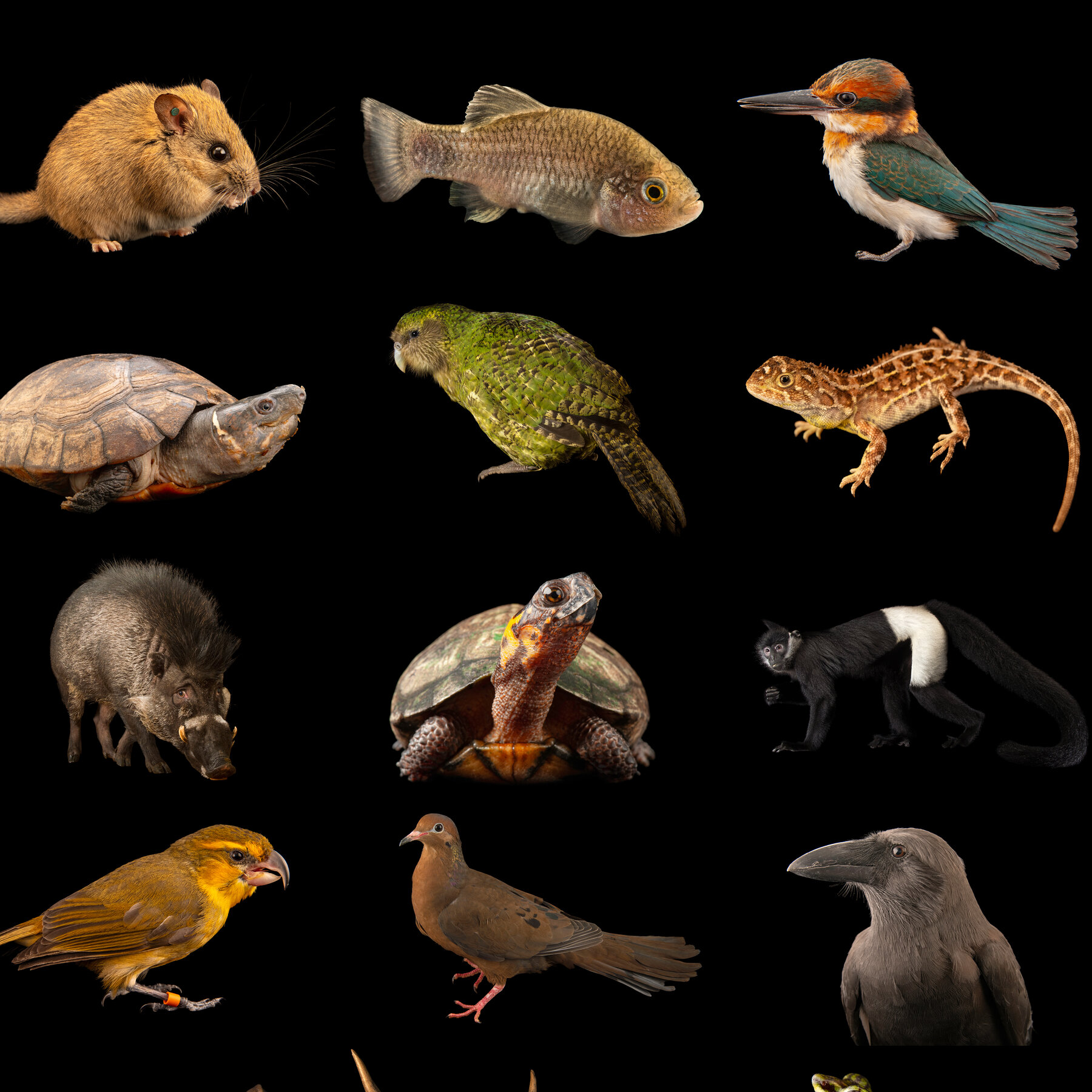
Biodiversity loss is accelerating globally, with countless species teetering on the edge of extinction due to habitat destruction, climate change, and human activities. In response to this urgent crisis, the Phoenix Species Project has emerged as a major funding initiative dedicated to reversing these trends. With a commitment of $200 million, the project seeks to support conservation programs that restore and protect vulnerable species, offering hope for a more sustainable future.
The Urgency of Protecting Imperiled Species
The planet is currently experiencing one of the most rapid rates of species extinction in its history. Environmental pressures such as deforestation, pollution, and climate change have pushed many animals and plants to critical population lows. Without intervention, the loss of biodiversity threatens ecosystem stability, human livelihoods, and the natural heritage of future generations.
Conservationists emphasize that saving species is not only about preserving individual animals but also about maintaining the intricate balance of ecosystems. Each species plays a unique role, and their disappearance can trigger cascading effects that disrupt food chains, water cycles, and climate regulation. The loss of biodiversity reduces ecosystem resilience, making environments more vulnerable to disturbances and less able to provide essential services such as clean air, water, and fertile soil.
Moreover, many species hold cultural, medicinal, and economic value for human societies. Protecting imperiled species is thus integral to sustaining both natural systems and human well-being.
Introducing the Phoenix Species Project
The Phoenix Species Project is a newly announced initiative designed to address the extinction crisis through targeted financial support. With an initial fund of $200 million, the project aims to back conservation efforts that have the potential to bring endangered species back from the brink.
This fund represents one of the most substantial private commitments to wildlife conservation in recent years. By focusing on species that are critically endangered, the project hopes to maximize the impact of its investments, ensuring that resources are directed where they are most needed and can be most effective.
The project’s name, 'Phoenix,' symbolizes rebirth and renewal, reflecting its mission to revive species that are at risk of disappearing forever. By injecting significant capital into conservation, the initiative seeks to catalyze a broader movement toward biodiversity recovery.
Funding Priorities and Strategic Goals
The Phoenix Species Project plans to allocate funds to a range of conservation activities, including habitat restoration, anti-poaching initiatives, captive breeding programs, and scientific research. These efforts will be coordinated with local communities, governments, and conservation organizations to ensure sustainable and culturally sensitive approaches.
Habitat restoration is critical for providing species with the environments they need to survive and reproduce. Anti-poaching initiatives help curb illegal wildlife trade, a significant driver of species decline. Captive breeding programs serve as a safeguard to boost population numbers and facilitate reintroduction into the wild. Scientific research underpins all these efforts by improving understanding of species’ needs and threats.
A key strategic goal of the project is to foster collaboration among stakeholders to enhance conservation outcomes. By leveraging partnerships and sharing knowledge, the initiative aims to create scalable models that can be replicated in different regions facing similar challenges. This collaborative approach helps build local capacity and ensures that conservation strategies are adapted to specific ecological and social contexts.
Additionally, the project emphasizes transparency and accountability, with plans to monitor progress and publicly report on the effectiveness of funded programs. This openness is intended to build trust among donors, partners, and the public, while enabling adaptive management based on lessons learned.
The Role of High-Profile Supporters
The Phoenix Species Project has attracted attention partly due to its association with prominent figures in environmental advocacy and philanthropy. Such high-profile support can amplify the project's visibility and encourage additional funding from other donors and institutions.
While the identities of all contributors have not been publicly disclosed, the involvement of well-known advocates underscores the growing recognition of biodiversity conservation as a global priority. Their participation helps bridge the gap between scientific communities, policymakers, and the public, fostering a unified front against species extinction.
High-profile endorsements also help raise awareness about the critical state of endangered species and the urgent need for action, potentially inspiring broader public engagement and support for conservation initiatives.
Challenges and Opportunities Ahead
Despite the promise of the Phoenix Species Project, conservation efforts face numerous challenges. These include political instability in some regions, limited local capacity, and the complex nature of ecological systems that require long-term commitment.
Political and social factors can hinder conservation progress, especially in areas where governance is weak or conflicts persist. Building trust and cooperation with local communities is essential but can be time-consuming and requires culturally sensitive approaches.
However, the infusion of substantial funding offers new opportunities to innovate and expand conservation strategies. Emerging technologies such as satellite monitoring, genetic analysis, and community-based conservation models can be integrated to enhance effectiveness. For example, satellite imagery can track habitat changes in real-time, while genetic tools help assess population health and diversity.
Moreover, the project’s focus on endangered species aligns with broader global initiatives like the United Nations’ Decade on Ecosystem Restoration and the Convention on Biological Diversity, potentially creating synergies that amplify impact. By contributing to these international efforts, the Phoenix Species Project can help advance shared goals of ecosystem recovery and sustainable development.
The initiative also encourages adaptive management, where strategies evolve based on ongoing monitoring and feedback, increasing the likelihood of long-term success.
What this means
The launch of the Phoenix Species Project marks a pivotal moment in the global fight against biodiversity loss. By committing substantial resources to the preservation of imperiled species, the initiative not only addresses an urgent environmental crisis but also sets a precedent for collaborative, well-funded conservation efforts. Success will depend on sustained commitment, strategic partnerships, and adaptive management, but the project offers a hopeful path forward for protecting the planet’s irreplaceable wildlife heritage. As the world grapples with accelerating environmental changes, initiatives like this demonstrate that with focused investment and cooperation, it is possible to reverse some of the damage and secure a more biodiverse future.
Source: Phoenix Species Project Announces Funds for Imperiled Wildlife via www.nytimes.com.
This article was curated with AI assistance and reviewed according to Tamfis editorial settings.