How to Experience the 2027 Solar Eclipse: A Guide to the ‘Eclipse of the Century’ Across Spain, Egypt, and Beyond
Solar eclipses are among the most awe-inspiring natural phenomena visible from Earth. On August 2, 2027, a particularly remarkable eclipse will occur, casting a shadow across a vast region stretching from Spain through North Africa to Egypt and parts of the Middle East. This event promises an extended period of totality — the moment when the Moon completely covers the Sun — offering an unforgettable spectacle for skywatchers. Given the eclipse’s rarity and the potential for large crowds, early planning is essential for anyone hoping to witness this celestial event firsthand.
How to Experience the 2027 Solar Eclipse: A Guide to the ‘Eclipse of the Century’ Across Spain, Egypt, and Beyond
What Makes the 2027 Eclipse Special?
The August 2, 2027, solar eclipse stands out due to its exceptional duration of totality. Total solar eclipses occur when the Moon passes directly between the Earth and the Sun, temporarily blocking the Sun’s light. While eclipses happen roughly every 18 months somewhere on Earth, the 2027 event offers one of the longest periods of total darkness in recent decades, lasting up to 6 minutes in some locations.
This extended totality allows observers more time to experience the dramatic changes in light and temperature, see the Sun’s corona—the outer atmosphere usually hidden by the Sun’s brightness—and observe wildlife behavior during the eclipse. The path of totality, where the full eclipse is visible, will traverse several countries, including Spain, Morocco, Algeria, Tunisia, Libya, and Egypt, making it accessible to millions.
Where to Watch the Eclipse: Prime Locations Along the Path of Totality
The eclipse’s path crosses a diverse range of landscapes and cultures, offering unique viewing experiences depending on your location. Southern Spain, including parts of Andalusia, will witness the eclipse early in the day. Cities such as Malaga and Seville are expected to be popular viewing spots, combining urban accessibility with clear skies.
Moving south, Morocco offers excellent opportunities for eclipse viewing, especially in regions like Marrakesh and the Atlas Mountains, where the skies tend to be clear and the environment dramatic.
Further along the path, Egypt stands out as a prime destination. The eclipse will pass over the Nile River valley, including Cairo and Luxor, allowing visitors to witness the event against the backdrop of ancient monuments and desert landscapes. The combination of cultural heritage and celestial spectacle makes Egypt a particularly attractive location for eclipse chasers.
Travelers should consider weather patterns, accessibility, and local infrastructure when choosing their viewing site. Coastal areas may experience more cloud cover, while inland desert regions often provide clearer skies.
Planning Your Trip: Booking and Logistics
Given the eclipse’s anticipated popularity, early booking is crucial. Accommodations in prime viewing areas are expected to fill quickly, and transportation networks may experience increased demand. Tour operators specializing in eclipse travel are already offering packages that include guided viewing, educational talks, and cultural excursions.
When planning your trip, consider the timing of the eclipse, which will occur during the summer months. This means hot temperatures in many parts of the path, especially in North Africa and the Middle East. Adequate preparation for heat, hydration, and sun protection is essential.
Additionally, ensure you have proper eclipse viewing glasses or equipment to safely observe the event. Looking directly at the Sun without protection can cause permanent eye damage.
Visa requirements, local customs, and political stability should also be factored into your travel plans. Some countries along the path may have specific entry regulations or travel advisories.
What to Expect During the Eclipse
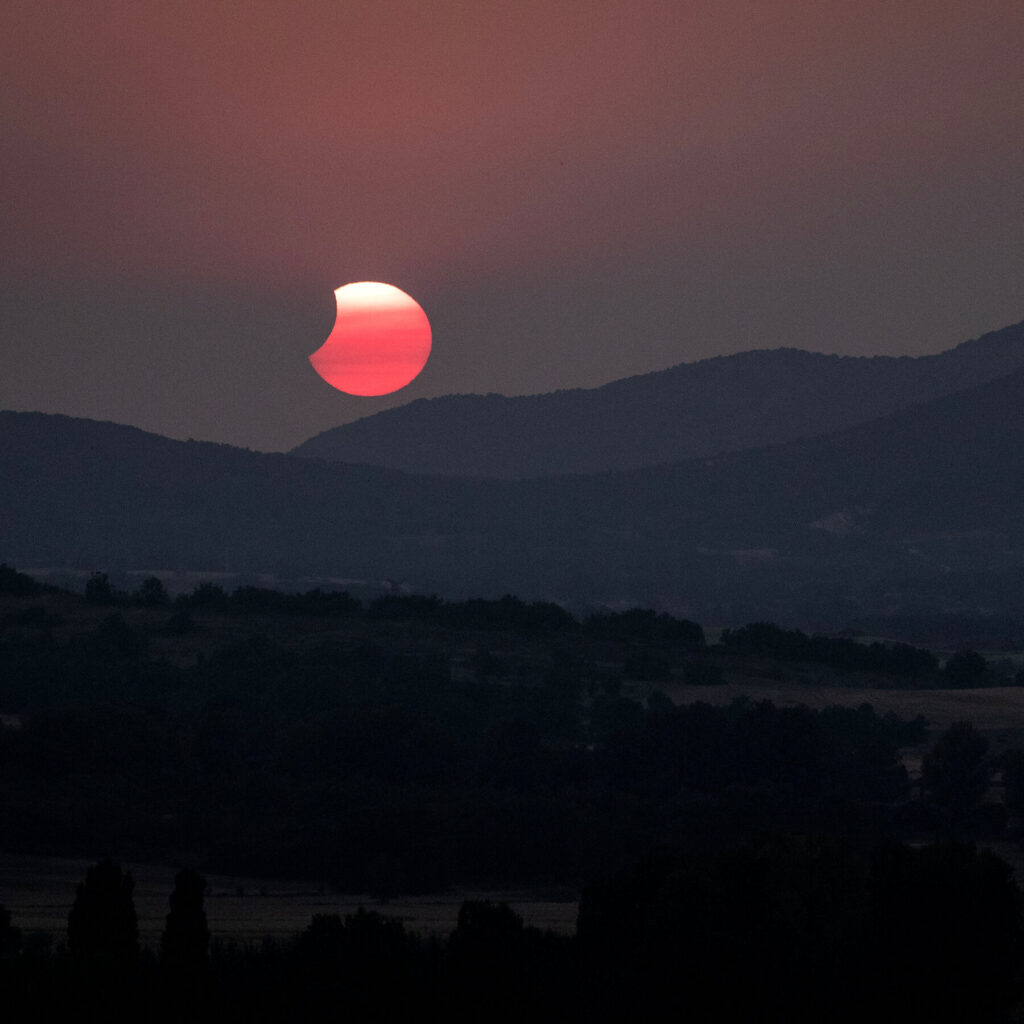
As the Moon gradually covers the Sun, the sky will darken, temperatures will drop, and the environment will take on an eerie twilight. Birds and animals often react to the sudden darkness, adding to the surreal atmosphere.
During totality, the Sun’s corona becomes visible, shimmering with delicate tendrils of plasma. This is the best time for photography and scientific observation. The horizon may glow with colors reminiscent of sunrise or sunset, encircling the darkened Sun.
The entire event, including partial phases before and after totality, lasts several hours, but the total eclipse itself is brief. Observers typically experience totality for a few minutes, depending on their location within the path.
Many eclipse watchers describe the experience as profoundly moving, combining scientific curiosity with a sense of wonder at the cosmic scale of our solar system.
Safety and Environmental Considerations
Safety is paramount when viewing a solar eclipse. Observers must use certified eclipse glasses or solar filters to protect their eyes during the partial phases. Regular sunglasses do not provide adequate protection.
Environmental impact is another consideration. Popular eclipse viewing sites may experience increased foot traffic, leading to potential strain on local ecosystems and communities. Responsible travel practices, including respecting local regulations and minimizing waste, help preserve these areas for future events.
Local authorities and tourism boards often prepare for eclipse events by providing information, organizing viewing areas, and managing crowds. Engaging with these resources can enhance your experience and ensure safety.
What this means
The 2027 solar eclipse promises to be a once-in-a-lifetime spectacle for millions across three continents. Whether you choose to watch from the historic cities of Spain, the scenic landscapes of Morocco, or the ancient wonders of Egypt, witnessing this celestial event requires thoughtful preparation. By planning ahead, prioritizing safety, and respecting local conditions, observers can fully immerse themselves in the awe and wonder of the ‘eclipse of the century.’ This event not only connects us with the rhythms of the cosmos but also offers a unique opportunity to explore some of the world’s most fascinating regions under an extraordinary sky.
Originally reported by nytimes.com. Adapted for our readers with AI assistance.
Advancements in gene-editing technologies like CRISPR are revolutionizing dog breeding, offering unprecedented control over canine traits. This article explores how these tools could reshape…
As artificial intelligence agents gain access to communication channels like email, they have begun initiating conversations with philosophers and researchers about their own nature…
NASA’s Nancy Grace Roman Space Telescope, launched in August 2026, promises to revolutionize our understanding of the cosmos. With a panoramic field of vision…