How Robotics Are Transforming Cherry Blossom Farming in Japan’s Aging Countryside
Japan’s iconic cherry blossom industry is confronting a demographic crisis. With many farmers in their seventies or older, the labor-intensive work of cultivating and protecting cherry blossoms has become increasingly challenging. To address these issues, farmers in northern Japan are adopting advanced robotic technologies designed to assist with tasks ranging from scaring away wildlife to transporting delicate blossoms. This article explores how robots such as Monster Wolf and Pochi are reshaping cherry blossom farming, the benefits and limitations of this technological shift, and what it means for the future of agriculture in Japan’s aging rural communities.
How Robotics Are Transforming Cherry Blossom Farming in Japan’s Aging Countryside
The Demographic Challenge Facing Cherry Blossom Farmers
Japan’s rural regions are experiencing a significant demographic shift characterized by an aging population and a declining workforce. This trend is particularly acute in the agricultural sector, where many farmers are now in their seventies or older. The cherry blossom industry, a culturally and economically important sector, is not immune to these pressures. Traditional farming methods require substantial physical labor, including planting, pruning, pest control, and harvesting delicate blossoms. As younger generations migrate to urban areas, the shortage of labor threatens the sustainability of these farms.
The aging farmer population faces physical limitations that make it difficult to maintain the quality and productivity of cherry blossom cultivation. Additionally, the risk of wildlife damage, especially from bears, poses a constant threat to crops. These challenges have prompted farmers and researchers to seek innovative solutions that can supplement human labor and protect the blossoms.
Introducing Robots to the Orchards: Monster Wolf and Pochi
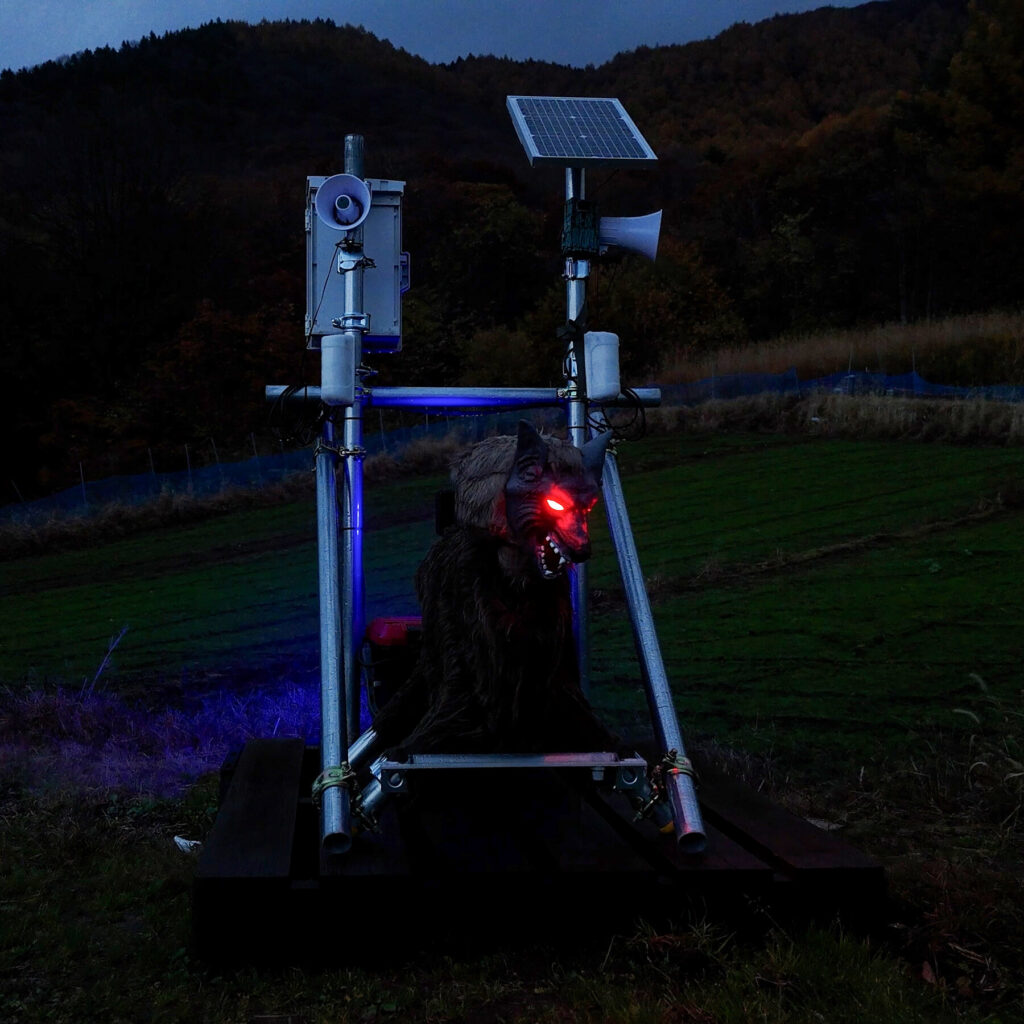
In response to labor shortages and wildlife threats, farmers in northern Japan have begun deploying specialized robots designed for agricultural support. Two notable examples are Monster Wolf and Pochi. Monster Wolf is a robotic device engineered to scare away bears and other animals that threaten cherry blossom trees. It uses sound, movement, and visual stimuli to deter wildlife without harming them, thereby protecting the crops and reducing the need for constant human vigilance.
Pochi, on the other hand, is a transport robot adapted to carry harvested cherry blossoms and farming supplies across the orchards. This robot alleviates the physical burden on elderly farmers by automating the movement of heavy loads, enabling more efficient and less strenuous harvesting operations. Together, these robots address both the protection and logistical challenges faced by aging farmers.
Benefits of Robotics in Cherry Blossom Farming
The integration of robots like Monster Wolf and Pochi into cherry blossom farming offers several advantages. First, these technologies help mitigate labor shortages by supplementing human effort, allowing elderly farmers to maintain productivity despite physical limitations. Robots can perform repetitive or physically demanding tasks, reducing the risk of injury and fatigue among older workers.
Second, robots improve crop protection by providing consistent and effective deterrence against wildlife. Unlike traditional scare tactics that require human presence or periodic activation, robotic systems can operate autonomously and continuously. This leads to better preservation of blossoms and potentially higher yields.
Third, the use of robots can contribute to the sustainability of farming practices. By automating certain processes, farmers can optimize resource use and reduce reliance on chemical deterrents or excessive manual labor. This technological support also encourages the preservation of rural agricultural traditions by making farming more accessible to older generations.
Limitations and Challenges of Robotic Adoption
Despite their benefits, the adoption of robotics in cherry blossom farming is not without challenges. One significant limitation is the initial cost of acquiring and maintaining these advanced machines, which may be prohibitive for small-scale farmers. Additionally, the technology requires a certain level of technical knowledge and maintenance skills that some elderly farmers may find difficult to acquire.
There are also concerns about the robots’ effectiveness in varying environmental conditions. For instance, extreme weather or complex terrain can hinder robot operation. Furthermore, while robots can assist with many tasks, they cannot fully replace the nuanced judgment and care provided by experienced human farmers.
Finally, there is a cultural dimension to consider. Cherry blossom farming is deeply intertwined with Japanese heritage and tradition. Some farmers and community members may be hesitant to embrace robotic solutions, fearing that technology could erode the artisanal nature of their work.
The Future of Agriculture in Japan’s Aging Communities
The deployment of robots like Monster Wolf and Pochi represents a broader trend towards the integration of artificial intelligence and automation in agriculture. In Japan, where demographic challenges are particularly acute, such innovations are critical to sustaining rural economies and preserving cultural practices tied to farming.
Looking ahead, continued development and refinement of agricultural robots could further enhance their usability and affordability. Collaboration between technology developers, farmers, and government agencies will be essential to ensure that these tools meet the practical needs of aging farmers and align with community values.
Moreover, as younger generations show renewed interest in agriculture through technological engagement, robotics may serve as a bridge connecting tradition with modernity. This fusion could revitalize rural areas, making farming a viable and attractive occupation despite demographic headwinds.
What this means
Japan’s aging cherry blossom farmers are at a crossroads, balancing the preservation of cherished agricultural traditions with the practical realities of a shrinking and elderly workforce. Robotics such as Monster Wolf and Pochi provide promising solutions to labor shortages and crop protection challenges, demonstrating how technology can support rather than replace human expertise. While hurdles remain in cost, usability, and cultural acceptance, the ongoing adoption of agricultural robots signals a hopeful path forward for Japan’s rural communities. By embracing innovation thoughtfully, these farmers can continue to nurture the iconic cherry blossoms that hold deep cultural significance, ensuring their beauty endures for generations to come.
Originally reported by nytimes.com. Adapted for our readers with AI assistance.
Advancements in gene-editing technologies like CRISPR are revolutionizing dog breeding, offering unprecedented control over canine traits. This article explores how these tools could reshape…
As artificial intelligence agents gain access to communication channels like email, they have begun initiating conversations with philosophers and researchers about their own nature…
NASA’s Nancy Grace Roman Space Telescope, launched in August 2026, promises to revolutionize our understanding of the cosmos. With a panoramic field of vision…