Harnessing Subway Heat: New York’s Innovative Plan to Cool Stations and Warm Buildings
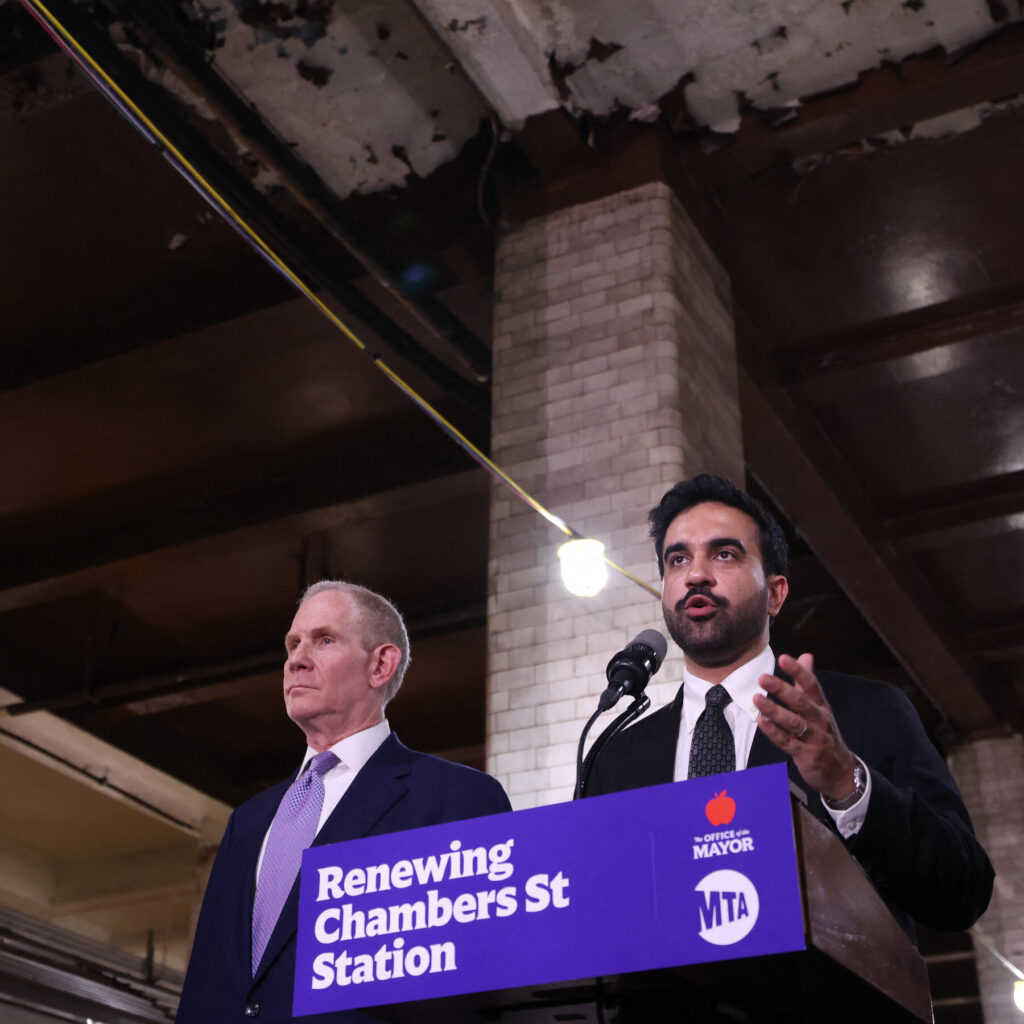
The New York City subway, a vital artery for millions of commuters, often becomes uncomfortably hot, especially during summer. This persistent heat not only affects passenger comfort but also reflects broader energy inefficiencies. Recognizing this, Mayor Zohran Mamdani and state transit officials have unveiled plans to investigate a heat-capture system designed to cool the subway environment and repurpose the extracted heat to warm city buildings in colder seasons. This innovative approach could mark a significant step toward sustainable urban infrastructure, addressing both climate challenges and energy demands while demonstrating the city’s commitment to environmental innovation.
Harnessing Subway Heat: New York’s Innovative Plan to Cool Stations and Warm Buildings
The Heat Challenge Beneath the City
New York City’s subway system is notorious for its high temperatures during the summer months. The combination of underground tunnels, dense passenger traffic, and heat generated by train operations creates a stifling environment. Temperatures in some stations can soar well above street level, making commutes uncomfortable and sometimes hazardous, especially for vulnerable populations such as the elderly and those with health conditions.
This heat issue is not just a matter of passenger discomfort; it also highlights inefficiencies in energy use. The subway’s heat is essentially wasted energy, dissipated into the underground environment without any beneficial use. As cities worldwide grapple with climate change and energy sustainability, finding ways to reclaim and repurpose such energy losses has become a priority. Addressing this problem could reduce the urban heat island effect and improve overall environmental quality in the city.
An Innovative Heat-Capture Proposal
In response to these challenges, Mayor Zohran Mamdani, alongside state transit officials, announced a plan to study a heat-capture system. The concept involves installing technology capable of extracting the excess heat from subway stations. This heat, instead of being wasted, could then be redirected to provide heating for nearby buildings during the colder months, creating a sustainable energy loop within the city.
This approach leverages principles similar to geothermal energy systems, where heat from the earth or other sources is captured and reused. By integrating such a system into the subway infrastructure, the city aims to create a symbiotic relationship between transit operations and urban heating needs. This could reduce reliance on fossil fuels and contribute to the city’s broader climate goals.
Potential Benefits for the City and Commuters
If successfully implemented, the heat-capture system could offer multiple benefits. For commuters, the immediate advantage would be cooler, more comfortable subway stations, improving the overall transit experience during hot weather and potentially increasing ridership satisfaction and safety.
From an environmental perspective, repurposing subway heat could reduce the city’s reliance on traditional heating fuels, cutting greenhouse gas emissions and helping New York City progress toward its ambitious sustainability targets. This aligns with ongoing efforts to promote clean energy solutions and reduce the urban carbon footprint.
Economically, the system could lower heating costs for buildings connected to the network, providing long-term savings for residents and businesses. Additionally, it could serve as a model for other cities facing similar underground heat challenges, positioning New York as a leader in innovative urban energy solutions and potentially attracting investment in green technologies.
Technical and Logistical Considerations
While promising, the heat-capture initiative faces several technical and logistical hurdles. The subway environment is complex, with space constraints and stringent safety requirements that complicate the installation of new systems. Engineers must design solutions that do not disrupt daily transit operations or compromise passenger safety.
Moreover, the variability of heat production—higher in summer, lower in winter—means the system must efficiently store or transfer heat to match seasonal demands. This requires advanced thermal storage technologies or integration with existing heating infrastructure to ensure consistent energy supply throughout the year.
Integrating this system with existing building heating networks also requires careful planning and coordination among multiple stakeholders, including transit authorities, building owners, utility companies, and city planners. The planned study will focus on assessing these challenges, exploring feasible technologies, and identifying pilot locations where the system could be tested effectively to demonstrate viability before wider rollout.
Broader Implications for Urban Energy Management
This initiative reflects a growing trend in urban energy management: capturing and reusing waste heat from various sources. Cities generate significant amounts of heat from transportation, industry, and buildings, much of which currently goes unused and contributes to environmental inefficiencies.
By tapping into these energy streams, urban areas can improve efficiency, reduce emissions, and enhance resilience against climate extremes. New York’s subway heat project could inspire similar efforts globally, contributing to smarter, greener cities that maximize resource use and minimize environmental impact.
Furthermore, such projects highlight the importance of cross-sector collaboration, involving transit authorities, city planners, energy experts, and the community to develop integrated solutions. This collaborative approach is essential to overcoming technical challenges and ensuring that innovations meet the needs of all stakeholders.
What this means
The plan to study a heat-capture system in New York City’s subway represents a forward-thinking approach to urban sustainability. By transforming a long-standing problem—sweltering subway stations—into a resource for heating buildings, the city could achieve multiple environmental, economic, and social benefits. While challenges remain, the initiative underscores the potential of creative energy solutions in addressing the complex demands of modern cities. As the study progresses, it will be crucial to monitor how effectively the system can be integrated and scaled, potentially setting a new standard for urban energy innovation and inspiring other metropolitan areas to follow suit.
Originally reported by nytimes.com. Adapted for our readers with AI assistance.
Advancements in gene-editing technologies like CRISPR are revolutionizing dog breeding, offering unprecedented control over canine traits. This article explores how these tools could reshape…
As artificial intelligence agents gain access to communication channels like email, they have begun initiating conversations with philosophers and researchers about their own nature…
NASA’s Nancy Grace Roman Space Telescope, launched in August 2026, promises to revolutionize our understanding of the cosmos. With a panoramic field of vision…