Science
Gene Editing and the Future of Dog Breeding: Balancing Innovation with Ethics
For centuries, dog breeding has relied on selective mating to enhance desirable traits and reduce unwant...
TAMFIS NIG LTDRC 8067447CAC ACTIVEFinima, Bonny Island, Rivers State

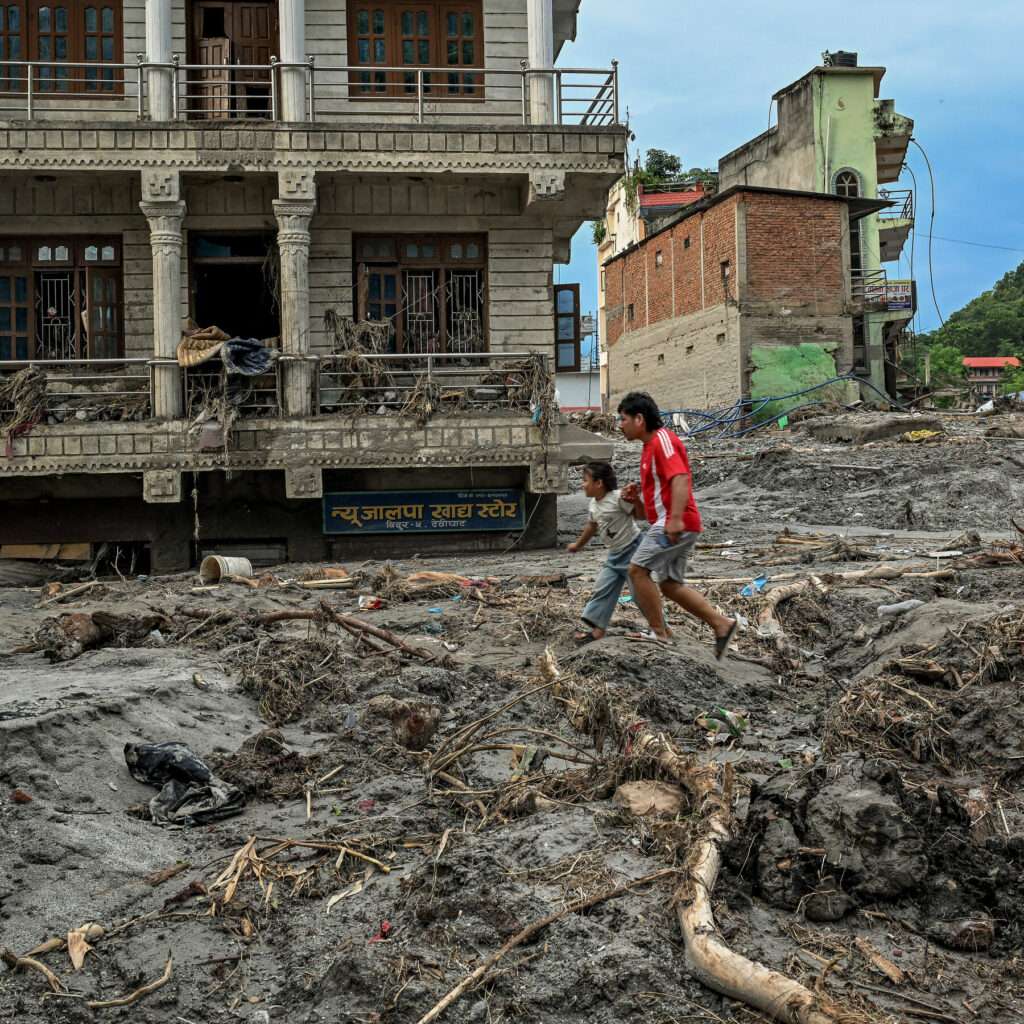
Earlier this week, a sudden glacier collapse in Nepal unleashed a deadly flash flood, devastating local communities and trekking routes. This tragic event has intensified fears among residents, guides, and scientists that the Himalayas are undergoing profound changes linked to global warming. As glaciers melt and weather patterns shift, the region faces increasing risks from natural disasters that threaten both human life and the environment. The disaster underscores the urgent need to understand and address the complex challenges posed by climate change in high mountain regions.
The recent flash flood in Nepal was triggered by the collapse of a glacier, which released a massive surge of water and debris downstream. This sudden outburst swept away homes, infrastructure, and parts of popular trekking trails, leaving a trail of destruction in its wake. Local authorities have reported multiple casualties and significant damage to villages in the affected area, with rescue and relief efforts ongoing amid difficult terrain and weather conditions.
Such glacier-related floods, often termed glacial lake outburst floods (GLOFs), occur when natural dams formed by ice or moraine holding meltwater suddenly give way. In the Himalayas, these events have become more frequent and severe in recent years, a trend that experts attribute to accelerated glacial melting and increased water accumulation in glacial lakes. The unpredictability and force of GLOFs make them particularly dangerous for communities living downstream, as well as for trekkers and mountaineers who frequent these regions.
For decades, local trekking guides and climbers have observed noticeable changes in the Himalayan landscape. Glaciers that once seemed stable are now retreating rapidly, while weather patterns have become less predictable and more extreme. These firsthand observations align with scientific findings that link rising global temperatures to accelerated glacial melt and increased rainfall intensity in the region.
The Himalayas, often called the 'Third Pole' due to their vast ice reserves, are particularly vulnerable to climate change. The melting glaciers not only threaten the stability of mountain slopes—leading to landslides and floods—but also disrupt water supplies for millions of people downstream who depend on glacier-fed rivers for drinking water, agriculture, and hydropower. This dual threat to both the physical landscape and human livelihoods highlights the critical importance of monitoring and managing these changes.
For those living and working in the Himalayas, the recent flood is more than a natural disaster—it is a stark sign of a changing environment that directly impacts their livelihoods and safety. Trekking guides, many of whom have spent their entire lives in the mountains, express growing concern that the entire Himalayan region may be melting at an unprecedented rate. Their intimate knowledge of the terrain and weather makes their warnings particularly poignant.
Despite these fears, local communities are demonstrating resilience by adapting their practices. Some have begun advocating for improved early warning systems and better infrastructure to withstand future floods, recognizing that preparedness can save lives and reduce damage. Others emphasize the need for global action to address climate change, highlighting that local efforts alone cannot reverse these large-scale environmental shifts. Community-led initiatives, combined with scientific support, are essential in building adaptive capacity in these vulnerable regions.
Scientists studying the Himalayas confirm that the region is experiencing one of the fastest rates of glacial retreat worldwide. Satellite data and field research show that rising temperatures are causing glaciers to shrink, increasing the volume of meltwater and the likelihood of glacial lake outburst floods. These changes not only alter the physical landscape but also increase the risk of sudden and catastrophic flooding events.
Moreover, climate models predict that the Himalayas will continue to warm, potentially intensifying monsoon rains and increasing the frequency of extreme weather events. These projections pose significant challenges for disaster preparedness and environmental conservation in the region. Efforts are underway to monitor glacial lakes and develop early warning systems to reduce the risk to communities. However, experts stress that mitigating these risks requires coordinated international efforts to reduce greenhouse gas emissions and support sustainable development in mountain regions.
The Himalayas are not only vital to Nepal but also to surrounding countries such as India, China, Bhutan, and Bangladesh. The glaciers feed major rivers like the Ganges, Brahmaputra, and Indus, which sustain hundreds of millions of people across South Asia. Changes in the Himalayan ice and water systems can therefore have far-reaching consequences for agriculture, drinking water, and energy production across multiple nations.
Furthermore, the region’s ecological health affects biodiversity and climate regulation on a global scale. The recent flash flood serves as a reminder that the impacts of climate change are interconnected and that protecting the Himalayas is critical for regional stability and global environmental security. International cooperation and investment in climate resilience are essential to safeguard these vital mountain ecosystems and the people who depend on them.
The deadly flash flood in Nepal is a poignant illustration of the profound environmental transformations occurring in the Himalayas. As glaciers melt and weather patterns shift, the risks to human life, livelihoods, and ecosystems intensify. While local communities show resilience and adaptability, the scale of the challenge demands urgent global attention to climate change mitigation and sustainable mountain management. Protecting the Himalayas is essential not only for the people who call these mountains home but also for the broader region and the planet’s environmental balance. This event should serve as a catalyst for strengthened international collaboration to address the mounting threats facing high mountain environments.
Originally reported by nytimes.com. Adapted for our readers with AI assistance.
Keep reading
Science
For centuries, dog breeding has relied on selective mating to enhance desirable traits and reduce unwant...
Science
Artificial intelligence has traditionally been a human-designed tool, created to perform tasks such as d...
Science
On a clear morning in late August 2026, NASA successfully launched its next-generation space observatory...
TAMFIS NIG LTD
Electrical and instrumentation engineering, bid preparation and consulting, IT and software.