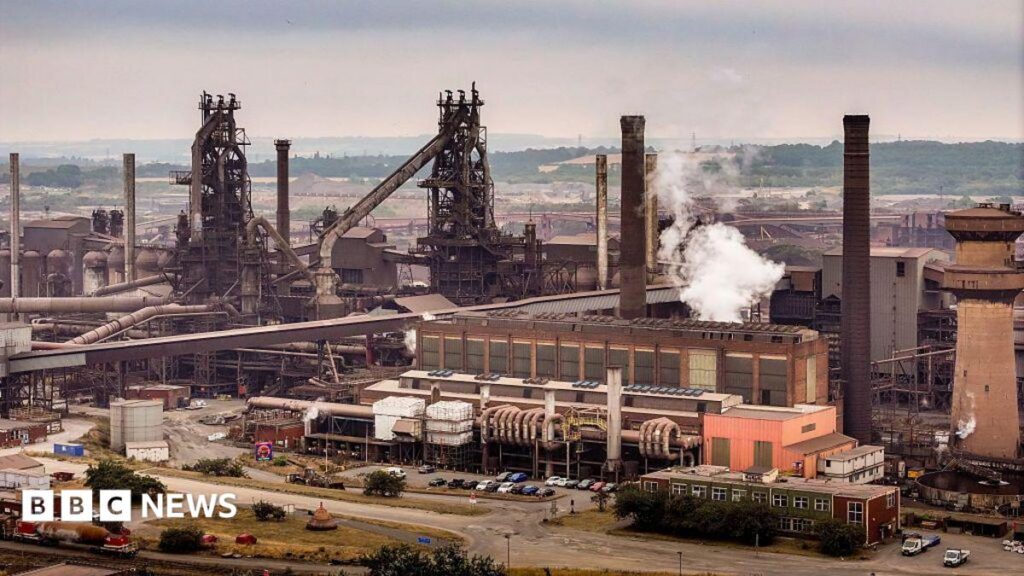
UK Nationalisation of British Steel Sparks Diplomatic Tensions with China
In a significant development for the UK steel industry and international relations, the British government has taken the loss-making British Steel company into public ownership. While the move aims to safeguard jobs and preserve a critical national capability, it has provoked a strong reaction from China, the current owner of British Steel through Jingye Group. This article examines the implications of the nationalisation, the response from China, and the broader context for UK-China economic ties.
UK Nationalisation of British Steel Sparks Diplomatic Tensions with China
Background: British Steel and Jingye Group Ownership
British Steel, a major steel producer based in Scunthorpe, has been struggling financially, reportedly losing around £700,000 daily prior to nationalisation. The company was acquired by China's Jingye Group, which took control of the steelworks in 2020. Despite Jingye's ownership, the UK government had limited influence over the company's operations until recently.
In 2022, the UK government began exerting more control by overseeing British Steel’s operations in Scunthorpe, but ownership remained with Jingye. This arrangement restricted the government's ability to make strategic decisions about the company’s future, particularly amid ongoing financial losses and concerns about national security.
The UK Government’s Nationalisation Decision
On Thursday, the UK government announced the full nationalisation of British Steel, citing the need to protect jobs and preserve what it described as a 'vital national capability.' This decision followed the passage of legislation allowing the government to bring steel companies into public ownership if doing so met a public interest test.
Business Secretary Peter Kyle indicated that the government would cover the company’s running costs for the immediate future, acknowledging that the steelworks were costing taxpayers more than £1 million a day. The National Audit Office had previously estimated the daily cost to be approximately £1.3 million.
The government’s move grants it full control over British Steel’s operations, including the blast furnaces, enabling more direct management of the plant’s future. However, officials have signalled that long-term public ownership is unlikely, suggesting a future sale or restructuring once financial stability is achieved.
China’s Strong Opposition and Diplomatic Implications
China’s Ministry of Commerce responded swiftly and critically to the UK’s nationalisation, expressing strong dissatisfaction and opposition. The ministry condemned the British government’s action as a violation of Jingye Group’s legitimate rights and interests, stating it undermined the confidence of Chinese companies investing in the UK.
The statement accused the UK of disregarding Jingye’s significant contributions to the UK economy and society and criticised the nationalisation as being justified under the guise of national security concerns. China urged the UK to honour its commitments under the China–UK Bilateral Investment Treaty, highlighting the potential for diplomatic friction.
While Beijing promised to closely monitor the situation and support Chinese firms in protecting their rights, it did not specify what measures it might take. The dispute adds a layer of complexity to UK-China relations, which are already navigating challenges related to trade, investment, and geopolitical tensions.
Economic and Political Context
The nationalisation occurs at a politically sensitive time, just days before Andy Burnham is set to become the UK’s new prime minister. Burnham will face the delicate task of balancing the protection of domestic industries with maintaining constructive economic ties with China, the world’s second-largest economy.
British Steel’s struggles reflect broader challenges facing the UK’s industrial sector, including global competition, supply chain disruptions, and energy costs. The government’s intervention underscores a willingness to take decisive action to preserve strategic industries, even at significant financial cost.
However, the financial burden of running British Steel is substantial. With losses exceeding £1 million daily, the government must consider sustainable solutions to avoid long-term fiscal strain. The nationalisation also raises questions about the future role of foreign investment in critical UK industries and the government’s approach to safeguarding national security.
Future Prospects for British Steel and UK-China Relations
Looking ahead, the UK government’s priority will be stabilising British Steel’s operations while exploring options for its future, which may include restructuring, finding new investors, or eventual reprivatisation. The government’s ability to manage these options effectively will be crucial to protecting jobs and maintaining steel production capacity.
For China, the nationalisation represents a setback in its investment strategy in the UK, potentially discouraging future Chinese investment in sensitive sectors. The diplomatic fallout could lead to increased scrutiny of Chinese firms operating in the UK and complicate bilateral economic cooperation.
Both governments face the challenge of managing this dispute without allowing it to escalate into broader economic or political conflict. Maintaining open channels for dialogue and adhering to international investment agreements will be important to preserving a stable investment environment.
What this means
The UK’s decision to nationalise British Steel underscores the complexities of managing strategic industries in a globalised economy. While aimed at protecting jobs and national capabilities, the move has provoked a strong diplomatic response from China, reflecting broader tensions over foreign investment and national security. As the UK navigates this challenge, the incoming government must carefully balance economic interests with international relationships, ensuring that industrial policy supports both domestic priorities and a stable investment climate. The outcome of this situation will likely influence the future landscape of UK-China economic cooperation and the role of government intervention in critical sectors.
Thousands of young protesters in Delhi continue to demand education reforms and the resignation of Education Minister Dharmendra Pradhan after a police crackdown. The…
Facing a looming financial collapse, Thames Water’s main lenders have offered the UK government a ‘golden share’ and increased local authority involvement to avoid…
Facing record-breaking temperatures and severe drought, Thames Water has introduced a hosepipe ban impacting over 10 million customers across parts of southern England to…