
Business
Nigeria’s Economic Performance: Domestic Debt Rise and Agriculture Trade Shift in Q2 2026
Nigeria's economic landscape in the second quarter of 2026 presents a mixed picture of fiscal press...
TAMFIS NIG LTDRC 8067447CAC ACTIVEFinima, Bonny Island, Rivers State

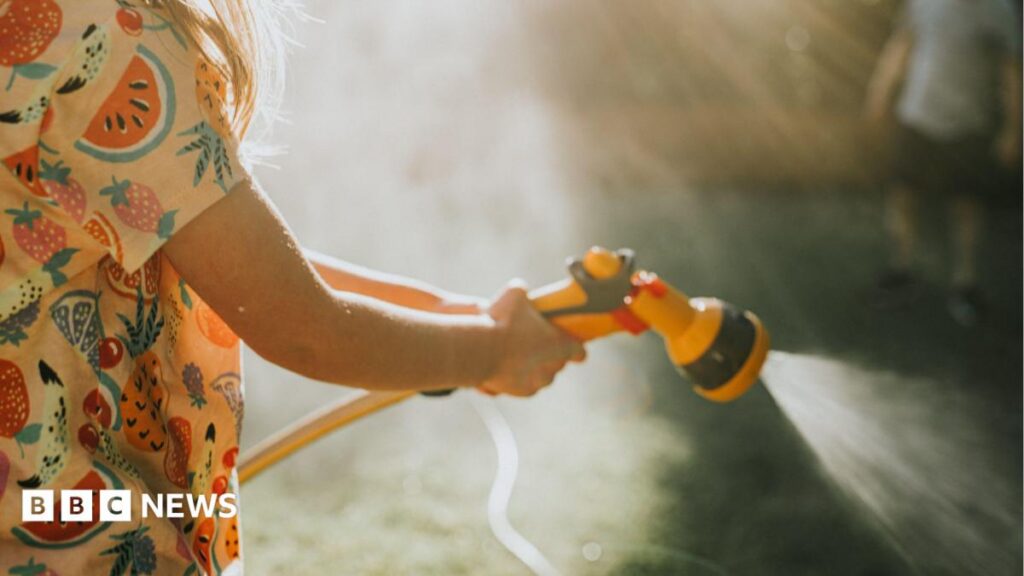
Thames Water has implemented a hosepipe ban across its service area, impacting more than 10 million customers in Greater London, the Thames Valley, and surrounding counties. The measure comes amid an exceptionally dry spring and unprecedented heat, with temperatures frequently exceeding 34°C and rainfall at just 40% of seasonal averages. The ban targets non-essential outdoor water use to protect drinking water supplies during a period of heightened demand and constrained resources. This development highlights growing pressures on the UK’s water infrastructure as climate extremes become more frequent, raising questions about long-term resilience and customer adaptation.
The hosepipe ban prohibits the use of hosepipes and pressure washers for a range of outdoor activities, including watering gardens and lawns, filling swimming pools or hot tubs, and cleaning vehicles, patios, driveways, and outdoor surfaces. These restrictions are designed to curb discretionary water consumption that places avoidable strain on the supply network during peak demand periods. Thames Water emphasizes that the measure is not about limiting essential use but about prioritising water for drinking, cooking, washing, and hygiene.
Exemptions are in place for specific circumstances, such as health and safety needs, animal welfare, watering food crops, and certain newly planted trees. Customers with disabilities or medical conditions that prevent them from reducing water use are also exempt. The company encourages the use of watering cans and buckets as alternatives, which typically use significantly less water than hosepipes or pressure washers.
The ban applies across Thames Water’s entire service region, covering Gloucestershire, Wiltshire, Kent, Surrey, the Thames Valley, Greater London, and surrounding areas. With over 10.1 million drinking water customers affected, it represents one of the most widespread water conservation measures in recent UK history. The timing coincides with meteorological data showing one of the warmest and driest springs on record, intensifying pressure on reservoirs and groundwater sources.
Water consumption in the Thames Valley and Home Counties is currently running 10% above normal levels, while London has seen a 7% increase. This equates to an additional 100 million litres of water being used daily across the region — a volume that challenges the system’s ability to treat and distribute water efficiently. During peak periods, demand has at times outpaced the network’s capacity to replenish supplies, particularly in areas with aging infrastructure or limited storage.
Thames Water’s operational teams are responding by increasing leak detection and repair efforts, working around the clock to minimise losses. However, the underlying issue remains a mismatch between supply and demand driven by extreme weather. Reservoir levels are below seasonal norms, and reduced rainfall has limited natural replenishment, forcing the company to rely more heavily on abstraction from rivers and groundwater — sources that are also under environmental protection constraints.
The situation reflects a broader trend of increasing water stress in southern England, where population density, high per-capita consumption, and climate variability converge. While Thames Water has invested in demand management and infrastructure upgrades in recent years, the speed and intensity of this year’s weather anomalies have tested the limits of current preparedness.
Many customers have already reduced their water usage in response to earlier appeals from Thames Water, a behaviour the company acknowledges as helpful in delaying the need for stricter measures. Simple actions such as fixing dripping taps, using buckets for car washing, and watering plants during cooler parts of the day can collectively make a significant difference. The company continues to monitor consumption patterns and weather forecasts, with plans to lift the ban as soon as supply conditions allow.
For businesses, particularly those in landscaping, cleaning, or outdoor hospitality, the ban necessitates operational adjustments. Car washes may need to shift to recycled water systems, while garden centres and nurseries are encouraged to promote drought-tolerant planting and efficient irrigation methods. Some firms are exploring temporary exemptions or alternative water sources, though these are subject to strict regulation and environmental oversight.
Thames Water advises all customers to focus on essential indoor use and avoid any non-essential outdoor application of hosepipes or pressure washers. Public information campaigns are being expanded to reinforce conservation messages, and the company offers online tools to help households track their usage and identify savings opportunities.
The hosepipe ban does not exist in isolation. Thames Water is currently navigating significant financial pressures, carrying approximately £20 billion in debt. Recent reports indicate that government-backed rescue proposals have been rejected, and the company’s lenders are preparing for potential legal action amid speculation of a public takeover. This financial instability complicates long-term planning and investment in resilience measures, such as new reservoirs, desalination plants, or network upgrades.
Political scrutiny has intensified, particularly under the new leadership of Andy Burnham, who has advocated for greater public control over essential utilities. The intersection of environmental stress and financial fragility raises critical questions about how critical infrastructure can be sustained amid climate change without compromising service quality or increasing customer burdens.
These broader challenges underscore that water security is not merely a technical issue but one shaped by governance, investment, and regulatory frameworks. As extreme weather events become more common, the ability of water companies to adapt will depend not only on engineering solutions but also on sustainable funding models and clear policy direction.
The Thames Water hosepipe ban serves as a stark reminder of the vulnerabilities in the UK’s water supply system when faced with extreme weather. While the restrictions are temporary and targeted, they reflect a deeper trend of increasing water stress in densely populated, climate-exposed regions. For customers, the immediate priority is adherence to the rules and adoption of water-wise habits that reduce strain on the network without compromising essential needs. For policymakers and utility operators, the event reinforces the urgency of investing in resilient infrastructure, demand management, and sustainable financing to prepare for a future where such conditions may become more frequent. Ultimately, balancing environmental responsibility, financial stability, and public service delivery will be key to ensuring water security in a changing climate.
Originally reported by bbc.co.uk. Adapted for our readers with AI assistance.
Keep reading
Business
Nigeria's economic landscape in the second quarter of 2026 presents a mixed picture of fiscal press...
Business
Liverpool manager Andoni Iraola is confronting a significant selection headache as two key forwards, Cod...
News
Health News tamfitronics [Editor’snote:[Editor’snote: This transcript was generated using both transcription ...
TAMFIS NIG LTD
Electrical and instrumentation engineering, bid preparation and consulting, IT and software.

