
Top Stories
Discovery beneath soccer field reveals massive medieval convent lost for centuries
NEWYou can now listen to Fox News articles! Researchers recently uncovered a long-lost medieval convent in an unusual location in Denmark: a soccer field…
TAMFIS NIG LTDRC 8067447CAC ACTIVEFinima, Bonny Island, Rivers State

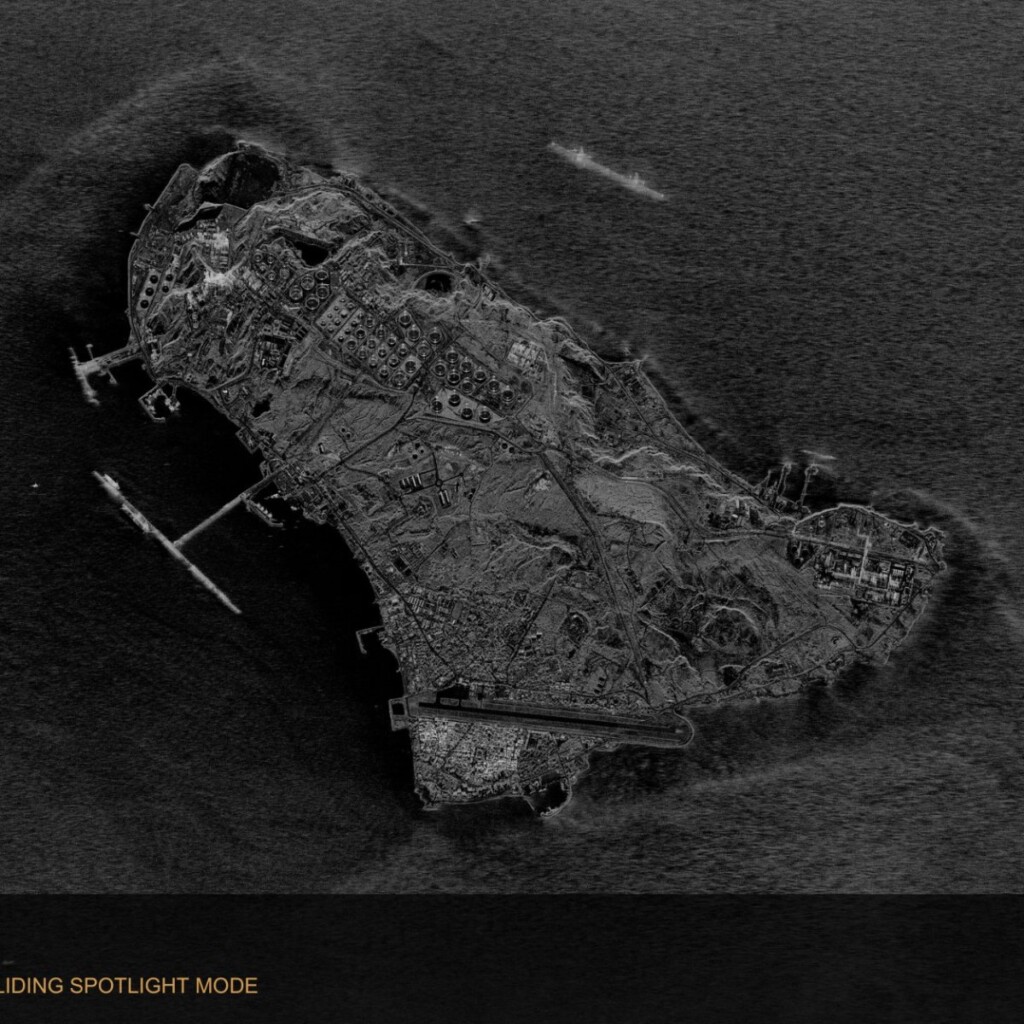
In a significant policy update, the U.S. government announced reforms to its export control regulations concerning space technology exporters. These changes aim to ease restrictions on a range of satellite products and components, facilitating broader commercial opportunities and international partnerships. Nonetheless, high-resolution synthetic aperture radar (SAR) satellites—critical for detailed earth observation and military applications—continue to be subject to tight controls under the International Traffic in Arms Regulations (ITAR). This article delves into the details of these regulatory changes, the rationale behind maintaining strict controls on advanced SAR technology, and the broader impact on the global space technology market.
The U.S. government’s recent policy reforms mark a notable shift in its approach to regulating space technology exports. These reforms primarily focus on easing the export licensing requirements for certain satellite components and standard remote sensing satellites. By relaxing some of the more burdensome regulations, the government aims to enhance the competitiveness of American space companies in the global marketplace.
Specifically, the reforms adjust the technical thresholds that determine which space technologies fall under the Department of Commerce’s jurisdiction, which generally entails less stringent controls, versus those regulated by the Department of State under ITAR. This change is intended to streamline export processes and reduce bureaucratic delays for many satellite products.
However, the reforms stop short of relaxing controls on high-resolution synthetic aperture radar (SAR) satellites. These remain tightly regulated due to their dual-use nature and strategic military applications, reflecting ongoing national security concerns.
Synthetic aperture radar (SAR) technology enables satellites to capture high-resolution images of the Earth’s surface regardless of weather conditions or time of day. Unlike optical imaging, SAR can penetrate cloud cover and darkness, making it invaluable for continuous surveillance and reconnaissance.
High-resolution SAR satellites provide detailed imagery crucial for military intelligence, disaster response, environmental monitoring, and infrastructure management. Their ability to deliver precise data has made them strategically important assets for governments and commercial entities alike.
Due to its advanced capabilities, SAR technology, especially systems operating with bandwidths exceeding 500 MHz, is considered sensitive. This sensitivity underpins the U.S. government's decision to maintain strict export controls to prevent adversaries from acquiring cutting-edge surveillance technology.
A key technical specification influencing export controls is the operational bandwidth of SAR systems. The recent reforms ease restrictions for SAR satellites operating at 500 MHz bandwidth or below, allowing these to be regulated under the Commerce Department’s Export Administration Regulations (EAR), which are less restrictive.
However, industry experts argue that the 500 MHz threshold is outdated, as modern commercial SAR satellites typically operate at 600 MHz or higher to meet growing demand for higher resolution imagery. This means that most high-performance SAR systems still require export licenses under ITAR, limiting their international sales potential.
This technical demarcation creates a division where standard remote sensing satellites benefit from relaxed controls, but advanced SAR payloads remain tightly controlled. The consequence is a competitive disadvantage for U.S. companies in the global marketplace, especially as other countries develop or acquire high-resolution SAR capabilities.
The global demand for high-resolution SAR satellites is surging, driven by growing awareness of space-based intelligence’s strategic value. The war in Ukraine, for example, has underscored the importance of persistent, all-weather surveillance capabilities in modern conflict scenarios.
Countries worldwide are investing heavily in space assets to ensure strategic autonomy and national security. This creates a competitive environment where U.S. export controls can limit domestic companies’ ability to meet international demand, potentially ceding market share to foreign competitors.
Notably, firms from Finland and other countries, such as Iceye, have capitalized on these opportunities by offering advanced SAR satellites without the export restrictions faced by U.S. companies. This dynamic highlights the tension between safeguarding national security and supporting commercial competitiveness.
U.S. companies specializing in high-resolution SAR technology must navigate a complex regulatory environment dominated by ITAR. This process requires obtaining specific licenses and negotiating bilateral agreements with potential buyers’ governments, which can be time-consuming and costly.
For example, Capella Space, a prominent U.S. SAR satellite manufacturer, operates satellites with bandwidths around 600 MHz and plans upgrades to 1,200 MHz, exceeding the threshold for relaxed export rules. As a result, their products remain subject to stringent licensing requirements that limit sales opportunities.
These regulatory hurdles can drive potential customers to seek alternatives from foreign providers with fewer export restrictions, thereby undermining U.S. companies’ global market position and innovation incentives.
The recent export reforms include provisions that ease licensing requirements for certain remote sensing satellites and components destined for members of the ‘Five Eyes’ intelligence alliance—comprising the United Kingdom, Canada, Australia, New Zealand, and the United States—as well as select Western European partners.
By removing some barriers for these trusted allies, the U.S. aims to strengthen international cooperation in space technology, enhance collective security, and facilitate faster deployment of satellite capabilities among partner nations.
However, this relief does not extend to the broader international market or to all SAR satellite products, meaning U.S. companies still face significant restrictions when engaging with countries outside these alliances.
Industry experts warn that overly restrictive U.S. export controls could inadvertently benefit Chinese space technology companies, as they seek to fill global demand gaps left by American firms constrained by regulations.
Chinese firms have been rapidly advancing their space capabilities, including high-resolution SAR satellites, and expanding their international footprint. If U.S. companies cannot compete effectively abroad due to export barriers, China may gain strategic and commercial advantages in the space sector.
Recognizing this risk, U.S. policymakers are gradually reconsidering export control policies to strike a better balance between national security and maintaining global competitiveness, although progress remains cautious and measured.
Despite ongoing limitations, industry leaders have noted positive developments such as improved cooperation between space companies and government regulators. Faster processing of ITAR license requests and more open dialogue are encouraging signs.
The current public comment period for the new export rule reforms, ending November 22, provides an opportunity for stakeholders to advocate for further changes that could modernize technical thresholds and expand the scope of relaxed controls.
Looking ahead, the U.S. space sector faces a critical juncture in balancing security concerns with the need to foster innovation and maintain leadership in a rapidly evolving global market for advanced satellite technologies.
The recent U.S. reforms to export controls on space technology represent a cautious yet important step toward modernizing regulations and supporting the domestic space industry’s global competitiveness. While easing restrictions on many satellite components and standard remote sensing systems, the government continues to tightly regulate high-resolution SAR satellites due to their strategic significance. This dual approach reflects the complex balance between safeguarding national security and enabling commercial innovation. As global demand for advanced space capabilities accelerates, ongoing dialogue between policymakers and industry stakeholders will be critical to ensuring that U.S. companies can compete effectively while protecting vital technologies. The evolving export control landscape will shape the future trajectory of American leadership in space technology and its role in international security and commerce.
Source: spacenews.com. Originally reported there; this article has been adapted for Tamfitronics readers.
Keep reading
Top Stories
NEWYou can now listen to Fox News articles! Researchers recently uncovered a long-lost medieval convent in an unusual location in Denmark: a soccer field…
News
By Engr. Tamunofiniarisa BrownReading Time: 6 Minutes The conflict between Russia and Ukraine is often framed in the media as a simple battle between…
TAMFIS NIG LTD
Electrical and instrumentation engineering, bid preparation and consulting, IT and software.