
Top Stories
Discovery beneath soccer field reveals massive medieval convent lost for centuries
NEWYou can now listen to Fox News articles! Researchers recently uncovered a long-lost medieval convent in an unusual location in Denmark: a soccer field…
TAMFIS NIG LTDRC 8067447CAC ACTIVEFinima, Bonny Island, Rivers State

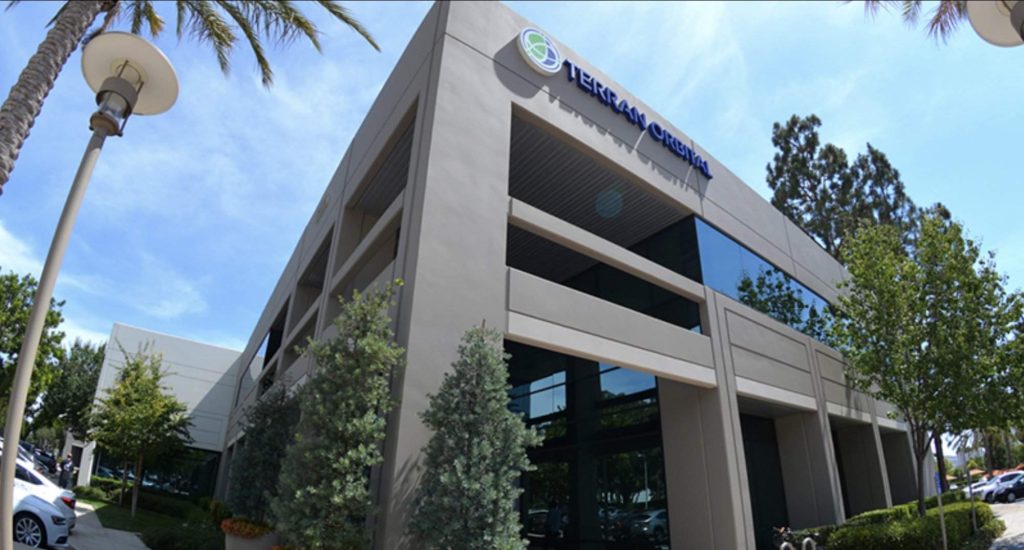
In a significant update to its financial reporting, Terran Orbital, a leading satellite manufacturer based in Boca Raton, Florida, has removed the broadband constellation project it is developing for Rivada Space Networks from its revenue backlog. This decision, disclosed in an August 12 regulatory filing, marks a strategic shift in how the company accounts for commercial contracts, particularly those with upfront payments. While the $2.4 billion contract with Rivada remains intact, the removal from the backlog reflects a move towards a cash-basis accounting method. This article explores the details behind this change, the status of the Rivada constellation, Terran Orbital's financial performance, and the broader implications for the satellite manufacturing industry.
Terran Orbital’s decision to remove the Rivada Space Networks broadband constellation from its revenue backlog is rooted in an accounting strategy shift. Traditionally, backlog represents the total value of contracts yet to be recognized as revenue. However, Terran Orbital is transitioning toward a cash-basis accounting approach for commercial contracts, particularly where payments are received upfront.
This move was confirmed by CEO Marc Bell, who explained that since commercial customers typically pay in advance, it makes sense to align revenue recognition with cash receipts rather than contract milestones. This accounting change streamlines financial reporting and provides clearer visibility into actual cash flows from commercial projects.
Despite the removal from the backlog, Terran Orbital still anticipates earning $2.4 billion from the Rivada contract. The adjustment simply reflects an accounting methodology update rather than a reduction in expected revenues or contract value.
Rivada Space Networks’ constellation project is ambitious, involving plans for up to 576 low Earth orbit (LEO) satellites designed to provide broadband connectivity. Terran Orbital is contracted to manufacture 300 of these satellites, each weighing approximately 500 kilograms, under the proposed Outernet constellation.
The constellation aims to create a mesh network in LEO to enhance global broadband access, with deployment milestones requiring 288 satellites to be operational by mid-2026 to meet regulatory licensing requirements. This tight timeline adds complexity to the program and underscores the importance of rigorous design and manufacturing processes.
However, Rivada Space has maintained a guarded stance on funding details, which has generated skepticism among analysts and investors. This opacity has contributed to increased market uncertainty and a significant decline in Terran Orbital’s stock price, which has fallen by over 50% in the past year.
The removal of Rivada’s constellation from the backlog coincides with Terran Orbital’s disclosure of modest revenue and ongoing financial challenges. For the second quarter of 2024, the company reported approximately $30 million in total revenue, down slightly from $32 million the previous year.
While adjusted EBITDA losses have improved from $21 million to $17 million, net debt has increased by $11 million to $182 million. Additionally, cash reserves have decreased to $31 million, which remains just above the minimum threshold of $20 million required to meet debt covenants.
These financial dynamics highlight the pressure on Terran Orbital to raise additional capital and maintain compliance with debt obligations, especially in a competitive market featuring established aerospace players like Rocket Lab, York Space, and Maxar.
A significant portion of Terran Orbital’s future revenues—about 91% of the remaining backlog—are linked to contracts with Lockheed Martin, which owns a one-third equity stake in the company. This relationship is crucial for Terran Orbital’s stability and growth prospects.
Lockheed Martin’s contracts include manufacturing 36 satellite buses for the U.S. Space Development Agency’s mesh network of military LEO satellites, positioning Terran Orbital as a key supplier in national defense space initiatives.
Although Lockheed Martin abandoned plans earlier in 2024 to increase its stake in Terran Orbital, the existing partnership continues to provide a stable revenue pipeline that partially offsets the uncertainties surrounding the Rivada contract.
Terran Orbital and Rivada Space are currently engaged in the preliminary design review (PDR) phase for the constellation, a critical step in satellite development that involves detailed system design validation. The PDR documentation has grown to over 1,000 pages, reflecting the complexity of the project.
CEO Marc Bell confirmed that Rivada Space is fully paid for the PDR stage, which was initially expected to conclude by the end of June 2024. However, the process has extended as both parties work meticulously to ensure the design meets stringent technical and regulatory standards.
Rivada Space’s head of corporate communications, Brian Carney, stated that the PDR is progressing on schedule, emphasizing the collaborative effort to finalize the design correctly before moving into manufacturing and deployment phases.
Terran Orbital’s stock has experienced significant volatility, with shares dropping more than 50% in 2024. Investor concerns primarily revolve around the funding uncertainties of the Rivada constellation and the company’s financial health amid increasing debt levels.
Analysts have noted the opaque nature of Rivada’s funding sources, despite public statements indicating involvement from at least one sovereign wealth fund and plans to secure export credit agency backing. These factors contribute to market skepticism about the project’s viability and timeline.
The removal of Rivada from the revenue backlog has further fueled speculation, although Terran Orbital maintains that it expects full contract realization. The company’s efforts to improve financial performance and secure additional capital remain critical to restoring investor confidence.
The small satellite manufacturing sector is increasingly competitive, with Terran Orbital facing rivals such as Rocket Lab, York Space Systems, and Maxar Technologies. These established players compete for both commercial and government contracts, intensifying pressure on pricing and innovation.
Terran Orbital’s partnership with Lockheed Martin and its involvement in military satellite programs provide a competitive edge. However, the company must navigate financial constraints and delivery risks associated with large-scale commercial projects like Rivada’s constellation.
Industry trends emphasize rapid deployment, cost reduction, and technological advancements in satellite design. Terran Orbital’s ability to adapt to these dynamics will influence its market position and long-term sustainability.
Looking ahead, Terran Orbital must balance advancing the Rivada constellation development with strengthening its financial foundation. The company’s focus on completing the PDR and securing additional funding will be pivotal in meeting launch schedules and contract milestones.
Expanding partnerships beyond Lockheed Martin and diversifying the customer base could mitigate risks associated with reliance on a few large contracts. Additionally, innovation in satellite technologies and manufacturing efficiencies may enhance competitiveness.
Ultimately, transparent communication with investors and stakeholders about progress, risks, and financial strategies will be essential to rebuild confidence and support Terran Orbital’s growth trajectory in the evolving space industry.
Terran Orbital’s removal of the Rivada constellation from its revenue backlog signals a strategic realignment in financial reporting and highlights the complexities of managing large-scale satellite contracts amid industry challenges. While the company continues to anticipate substantial revenues from Rivada, uncertainties around funding and operational execution persist. Strengthening financial resilience, advancing design milestones, and leveraging partnerships like that with Lockheed Martin will be crucial for Terran Orbital’s success. As the satellite manufacturing landscape evolves, Terran Orbital’s ability to adapt and maintain investor confidence will determine its trajectory in the competitive space sector.
Originally reported by spacenews.com. Adapted for our readers.
Keep reading
Top Stories
NEWYou can now listen to Fox News articles! Researchers recently uncovered a long-lost medieval convent in an unusual location in Denmark: a soccer field…
News
By Engr. Tamunofiniarisa BrownReading Time: 6 Minutes The conflict between Russia and Ukraine is often framed in the media as a simple battle between…
TAMFIS NIG LTD
Electrical and instrumentation engineering, bid preparation and consulting, IT and software.