
Top Stories
Discovery beneath soccer field reveals massive medieval convent lost for centuries
NEWYou can now listen to Fox News articles! Researchers recently uncovered a long-lost medieval convent in an unusual location in Denmark: a soccer field…
TAMFIS NIG LTDRC 8067447CAC ACTIVEFinima, Bonny Island, Rivers State

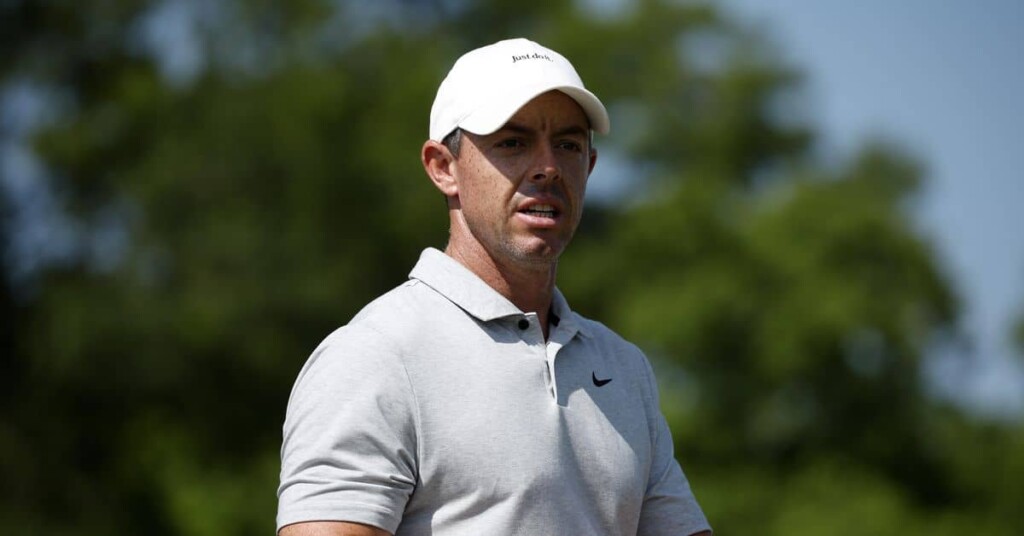
The landscape of professional golf is undergoing a significant transformation, marked by a surge of players moving to LIV Golf and the PGA Tour’s efforts to retain talent through equity payouts. Rory McIlroy, one of the sport’s leading figures, has openly recognized that the PGA Tour’s recent multi-billion-dollar deal and resulting equity shares, while substantial, are unlikely to fully stem the tide of defections. This article examines the dynamics behind the PGA Tour’s financial strategies, McIlroy’s evolving role and views, and the broader implications for the future of professional golf.
Earlier this year, the PGA Tour, in partnership with the Strategic Sports Group, finalized a landmark agreement valued at up to $3 billion. A significant portion of this investment is earmarked to be distributed among PGA Tour players in the form of equity payments, rewarding their loyalty and past contributions to the tour’s success.
Reports indicate that this equity distribution is influenced by several factors, including players’ career decisions and their performance in the Player Impact Program (PIP), which measures their influence on the sport. High-profile players such as Tiger Woods and Rory McIlroy are set to receive substantial shares, with Woods reportedly slated for over $100 million and McIlroy around $50 million. Other notable players like Jordan Spieth and Justin Thomas are expected to receive approximately $30 million each.
Despite these impressive figures, McIlroy has expressed skepticism about the sufficiency of these payments, stating that "there’s never enough" money in golf to fully address the challenges posed by rival leagues like LIV Golf.
LIV Golf, backed by seemingly limitless financial resources, has emerged as a formidable competitor to the PGA Tour. Its ability to offer lucrative contracts has attracted a growing number of players, creating a significant talent drain from the established tour.
This influx of money has fundamentally altered the professional golf ecosystem, forcing the PGA Tour to reconsider its approach to player compensation and retention. The equity payments are part of this strategic response, but the scale and nature of LIV Golf’s financial offers continue to pose a serious challenge.
Rumors recently surfaced suggesting McIlroy himself was considering a massive $850 million deal to join LIV Golf. Although he quickly denied these claims and reaffirmed his commitment to the PGA Tour for the remainder of his career, the speculation underscores the pressure even top players face in this evolving landscape.
McIlroy’s involvement in the governance of the PGA Tour has been a focal point in recent months. Following the resignation of Webb Simpson from the PGA Tour Policy Board, McIlroy has been discussed as a potential replacement. While nothing has been finalized, McIlroy has expressed willingness to serve if the players desire his involvement.
He has voiced frustration over the lack of progress in unifying the sport, noting that little has changed in the past eight months. McIlroy believes that despite lingering tensions, the best path forward is for all stakeholders to set aside differences and work together to strengthen the game.
His public statements reflect a nuanced understanding of the complexities involved, balancing his loyalty to the PGA Tour with recognition of the challenges posed by LIV Golf and the fractured state of professional golf.
The division between the PGA Tour and LIV Golf has had tangible effects on the sport’s popularity and commercial viability. Despite increased financial investment, television ratings have declined, and the sport appears more fragmented than ever.
The PGA Tour has made several adjustments to its schedule and secured additional sponsorships to bolster prize money and player incentives. However, the ongoing uncertainty surrounding negotiations with the Player Impact Program and the Strategic Sports Group suggests that a comprehensive resolution remains elusive.
With a critical deadline approaching in early June for a potential deal between the PGA Tour and the Player Impact Program, the coming weeks will be pivotal. Whether these entities can reach an agreement that promotes unity and growth will likely determine the trajectory of professional golf in the near future.
Professional golf stands at a crossroads as it grapples with unprecedented financial competition and internal divisions. Rory McIlroy’s candid reflections on the PGA Tour’s equity strategy and his willingness to engage in governance signal a desire among leading players to find solutions. However, the allure of LIV Golf’s deep pockets and the sport’s fragmented state present ongoing challenges. The coming months will be critical as stakeholders seek to reconcile differences and chart a sustainable path forward. For fans and players alike, the hope is that unity and collaboration will prevail, preserving the integrity and appeal of the game.
Originally reported by sbnation.com. Adapted for our readers with AI assistance.
Keep reading
Top Stories
NEWYou can now listen to Fox News articles! Researchers recently uncovered a long-lost medieval convent in an unusual location in Denmark: a soccer field…
News
By Engr. Tamunofiniarisa BrownReading Time: 6 Minutes The conflict between Russia and Ukraine is often framed in the media as a simple battle between…
TAMFIS NIG LTD
Electrical and instrumentation engineering, bid preparation and consulting, IT and software.