
Top Stories
Discovery beneath soccer field reveals massive medieval convent lost for centuries
NEWYou can now listen to Fox News articles! Researchers recently uncovered a long-lost medieval convent in an unusual location in Denmark: a soccer field…
TAMFIS NIG LTDRC 8067447CAC ACTIVEFinima, Bonny Island, Rivers State

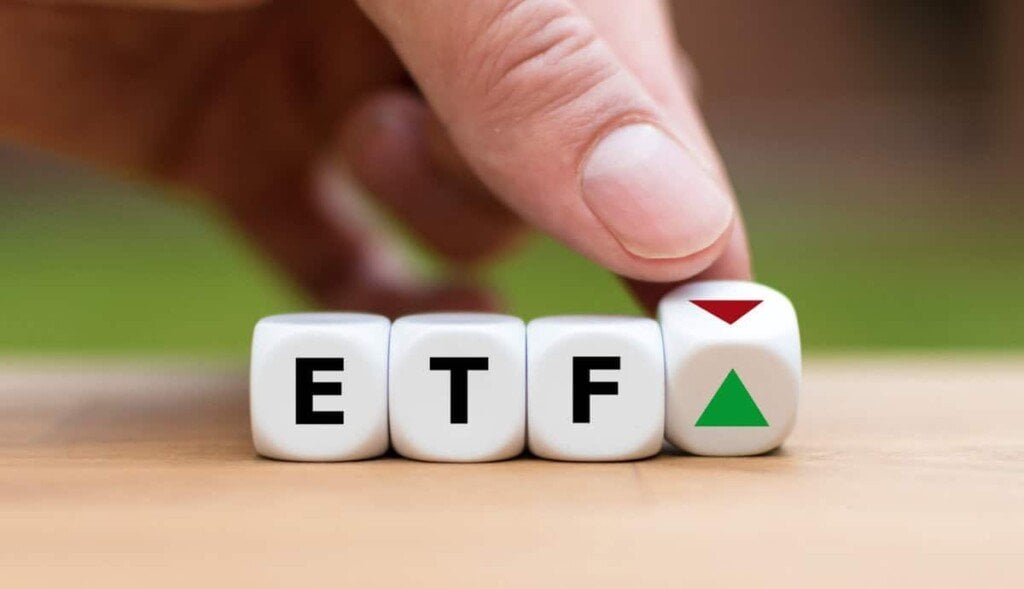
The cryptocurrency market has witnessed significant milestones with the approval of Bitcoin ETFs by the US Securities and Exchange Commission (SEC), sparking investor enthusiasm and capital inflows. Ethereum, being the second-largest cryptocurrency by market capitalization, has naturally been the next focus for ETF approvals. Yet, despite high hopes, recent Reuters reports suggest that the SEC is poised to reject Ethereum ETF proposals in the coming month. This anticipated denial stems from regulatory apprehensions and the absence of clear surveillance mechanisms akin to those established for Bitcoin ETFs. This comprehensive article delves into the factors influencing this development, the implications for the crypto market, and what lies ahead for Ethereum ETFs.
Exchange-Traded Funds (ETFs) have become a popular investment vehicle, offering investors exposure to various assets without direct ownership. In the cryptocurrency domain, Bitcoin ETFs have paved the way for traditional investors to participate in digital asset markets through regulated instruments. The approval of Space Bitcoin ETFs by the SEC marked a significant turning point, showcasing regulatory openness toward certain crypto products.
Following Bitcoin's success, market participants and asset managers turned their attention to Ethereum, the second most prominent cryptocurrency. Ethereum’s robust ecosystem, including decentralized finance (DeFi) and non-fungible tokens (NFTs), made it a highly attractive candidate for ETF products, promising diversified exposure beyond Bitcoin.
However, the path for Ethereum ETFs has been more challenging. Unlike Bitcoin ETFs, which leveraged existing surveillance and futures market frameworks, Ethereum ETFs require additional scrutiny due to the complexity of the underlying market and its regulatory environment. This has led to prolonged deliberations by the SEC and increased uncertainty among investors and issuers.
According to a Reuters report citing four individuals familiar with the matter, the SEC is expected to deny the pending Space Ethereum ETF applications next month. These sources highlighted that recent meetings between the SEC and applicants were 'discouraging,' signaling a possible rejection.
The SEC’s reluctance stems from concerns over market manipulation, surveillance mechanisms, and the lack of concrete regulatory frameworks specifically tailored to Ethereum-based products. Unlike Bitcoin, Ethereum’s market is fragmented and lacks comprehensive futures-based surveillance, complicating the SEC’s decision-making process.
Additionally, Bloomberg analysts have downgraded the approval prospects for Ethereum ETFs, emphasizing the regulatory silence as a negative indicator. The SEC’s request for public comments on the ETF filings, a routine procedure, was initially interpreted by some as a positive sign but has since been clarified as standard practice without indicating imminent approval.
The SEC has long maintained a cautious stance on cryptocurrency ETFs, prioritizing investor protection and market integrity. While it approved Bitcoin ETFs by leveraging existing regulated futures markets and robust surveillance agreements, Ethereum ETFs present unique challenges that have yet to be resolved.
One core issue is the SEC’s concern about the potential for market manipulation and the lack of a comprehensive surveillance-sharing agreement for Ethereum markets. The agency requires mechanisms to detect and prevent fraudulent activities, which are currently less established in Ethereum’s ecosystem compared to Bitcoin.
Moreover, the SEC’s internal discussions reportedly lack substantive consensus or specific strategies to address these challenges. The absence of clear guidelines during meetings with applicants, such as Grayscale’s proposal to convert its Ethereum Trust into an ETF, has fueled speculation of an impending denial.
News of the probable denial has negatively affected Ethereum’s market sentiment. Hong Fang, president of crypto exchange OKX, noted that Ethereum’s price faced downward pressure as investors adjusted their expectations in light of the anticipated SEC decision.
The pricing of Ethereum already factored in the potential approval of these ETFs, so the likelihood of rejection has led to increased selling pressure and market volatility. Investors are cautious, and some are reconsidering their positions amid regulatory uncertainties.
However, some market experts believe that the impact might be temporary. The crypto market has historically reacted to regulatory news with short-term fluctuations, followed by recovery phases as the ecosystem adapts to new realities and frameworks.
Jan Van Eck, CEO of asset manager VanEck, expressed skepticism about the approval prospects during the Paris Blockchain Week, suggesting that Ethereum ETF applications may be denied due to regulatory hurdles. He highlighted that the comment solicitation process for Ethereum ETFs differed from Bitcoin ETFs, signaling a less favorable outlook.
Todd Rosenbluth, head of ETF research at VettaFi, predicted delays extending into late 2024 or beyond. He emphasized that the SEC might require more time to evaluate Ethereum ETFs comprehensively, especially given the complexities involved.
Matt Hougan, Chief Investment Officer at Bitwise Asset Management, suggested that the SEC’s hesitance could be attributed to insufficient data and the need for prolonged review periods. Hougan indicated that the agency might push approvals further out to gather more market information and address regulatory concerns.
Historically, the approval of Bitcoin ETFs followed a decade-long legal battle involving court challenges against the SEC. Some sources suggest that similar legal proceedings might be necessary for Ethereum ETFs to gain approval, implying a protracted regulatory journey ahead.
Applicants may consider litigation if the SEC denies their proposals, arguing that existing market conditions and investor protections are sufficient. Such legal actions could set precedents and force regulatory agencies to clarify their positions on Ethereum-based products.
However, litigation carries risks, including extended delays and increased costs for issuers. The potential for court battles adds another layer of uncertainty for investors and the broader crypto market, which is already navigating complex regulatory landscapes globally.
Despite the anticipated denial, industry experts remain optimistic about the long-term prospects for Ethereum ETFs. The growing maturity of Ethereum’s ecosystem, improvements in market surveillance, and increasing regulatory clarity worldwide may eventually pave the way for approval.
Asset managers and crypto advocates continue to engage with regulators, providing data and proposing frameworks to address SEC concerns. Innovations such as decentralized finance auditing and enhanced market transparency could help bridge existing gaps.
In the meantime, investors should monitor regulatory developments closely and consider diversified strategies to manage risks associated with Ethereum and other crypto assets. The evolving landscape underscores the importance of regulatory engagement and adaptive market practices.
The SEC’s probable denial of Space Ethereum ETF applications next month highlights ongoing regulatory challenges in integrating Ethereum-based products into traditional financial markets.
While Bitcoin ETFs have set a precedent, Ethereum’s unique market dynamics require further regulatory scrutiny, particularly regarding surveillance and market manipulation concerns.
Market reactions reflect cautious sentiment, with price adjustments as investors recalibrate expectations. Legal challenges might follow, potentially extending the timeline for approval.
Nevertheless, continued industry efforts and regulatory dialogue suggest that Ethereum ETFs could eventually gain approval as the ecosystem matures and regulatory frameworks evolve.
The impending denial of Space Ethereum ETF applications by the SEC underscores the intricate regulatory challenges facing the cryptocurrency industry, particularly for Ethereum-based products. While Bitcoin ETFs have successfully navigated regulatory hurdles by leveraging existing market structures, Ethereum ETFs require further refinement in surveillance and investor protection frameworks. Market reactions reflect the uncertainty and cautious sentiment surrounding this development. However, the evolving dialogue between asset managers, regulators, and market participants fosters hope for eventual approval. As the crypto ecosystem continues to mature and regulatory landscapes adapt, Ethereum ETFs may yet become a viable investment vehicle, offering broader access to this dynamic asset class. For now, investors and stakeholders must remain vigilant, informed, and prepared for a potentially extended regulatory journey.
Originally reported by cryptonews.com.au. Adapted for our readers.
Keep reading
Top Stories
NEWYou can now listen to Fox News articles! Researchers recently uncovered a long-lost medieval convent in an unusual location in Denmark: a soccer field…
News
By Engr. Tamunofiniarisa BrownReading Time: 6 Minutes The conflict between Russia and Ukraine is often framed in the media as a simple battle between…
TAMFIS NIG LTD
Electrical and instrumentation engineering, bid preparation and consulting, IT and software.