Top Stories
Discovery beneath soccer field reveals massive medieval convent lost for centuries
NEWYou can now listen to Fox News articles! Researchers recently uncovered a long-lost medieval convent in an unusual location in Denmark: a soccer field…
TAMFIS NIG LTDRC 8067447CAC ACTIVEFinima, Bonny Island, Rivers State

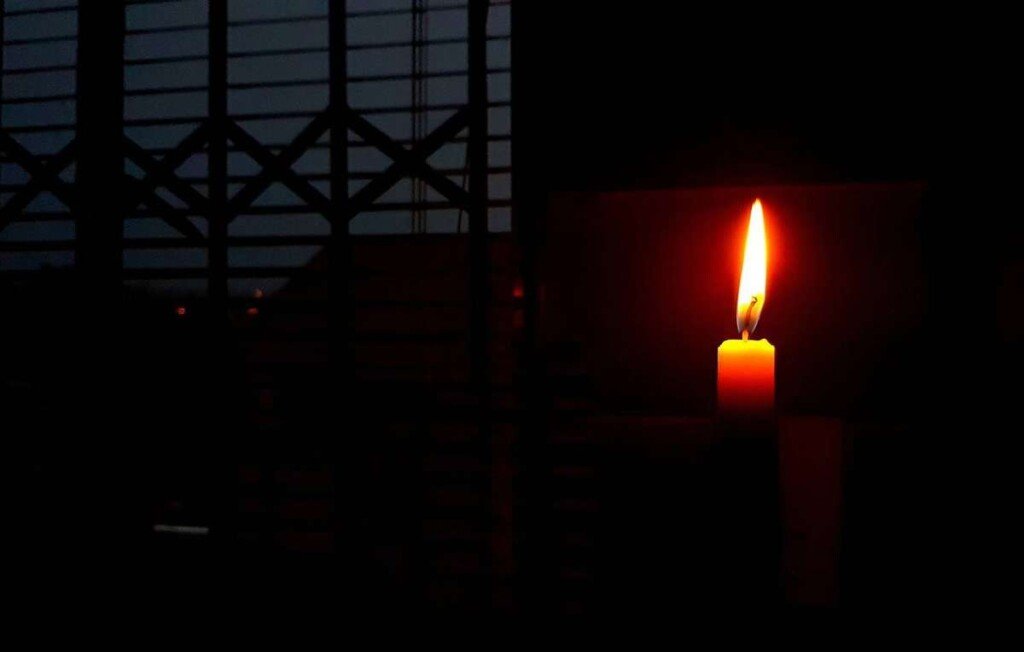
Nigeria's energy sector has been under immense pressure as the government implemented a staggering 230% hike in electricity tariffs, targeting wealthier consumers to bolster the nation's power infrastructure. However, shortly after this adjustment, the country witnessed a major collapse of its energy grid, plunging millions into darkness. This incident has sparked widespread debate about the sustainability and management of Nigeria’s power system. This comprehensive article delves into the causes of the grid failure, the implications for Nigerians, the response from authorities, and what this means for the future of energy in Africa’s most populous nation.
Nigeria’s energy sector has long been plagued by a combination of infrastructural deficits, inadequate investment, and operational inefficiencies. Despite being Africa’s largest economy with abundant natural resources, the country struggles to provide consistent electricity to its over 200 million inhabitants. Frequent blackouts and power outages have become a part of everyday life, affecting businesses, households, and public services alike.
The energy grid, managed primarily by the Transmission Company of Nigeria (TCN), has been operating beyond its capacity for years. Aging equipment, frequent technical faults, and insufficient maintenance have rendered the system vulnerable to disruptions. Additionally, the sector has faced financial challenges, with many consumers defaulting on payments and tariff structures failing to cover operational costs.
In an effort to reform the sector and attract investments, the Nigerian government and regulatory bodies have periodically adjusted tariffs. However, these hikes have often been met with public resistance, especially given the inconsistent power supply. The recent 230% tariff hike was intended to target the wealthier segment of consumers, aiming to generate revenue for upgrading the grid and expanding capacity.
The decision to increase electricity tariffs by 230% was part of a broader strategy to make the energy sector financially sustainable. By charging higher rates to wealthier consumers and commercial entities, the government hoped to raise funds necessary for infrastructure upgrades and reduce the burden on lower-income households through subsidies.
This tariff revision was implemented swiftly, catching many consumers and industry stakeholders off guard. The increase was justified by the Nigerian Electricity Regulatory Commission (NERC) as essential for aligning tariffs with the actual cost of power generation and transmission. It was also expected to discourage electricity theft and improve revenue collection.
However, the timing of the hike coincided with rising economic pressures, including inflation and currency fluctuations, which exacerbated the public’s discontent. Many consumers expressed frustration over paying significantly more for power that remained unreliable and often unavailable. The tariff increase also raised concerns about affordability and the potential for increased energy poverty.
Shortly after the tariff hike took effect, Nigeria’s energy grid suffered a major collapse. According to the Transmission Company of Nigeria, a fire broke out at a critical power generation facility in the southern part of the country just before dawn, around 2:00 AM local time. This incident triggered a widespread blackout affecting millions of people across several states.
The fire incident exposed the fragility of the grid infrastructure and the consequences of operating without adequate safeguards and maintenance protocols. The collapse led to significant disruptions in residential areas, businesses, hospitals, and government institutions. Many Nigerians took to social media to express their anger and disappointment at the failure of the power system, especially after the tariff increase.
The blackout lasted several hours, with power gradually restored by early afternoon. However, the incident highlighted systemic vulnerabilities in Nigeria’s electricity transmission and distribution networks, raising urgent questions about the sector’s readiness to handle increased demand and financial pressures.
The tariff hike combined with the grid collapse triggered widespread public outcry. Consumers voiced their frustration over paying higher bills for an unreliable service. Social media platforms became a hub for complaints, with many Nigerians demanding accountability and transparent explanations from the authorities.
Industry experts and energy analysts weighed in on the crisis, acknowledging the necessity of tariff adjustments but criticizing the lack of adequate preparation and communication. Many argued that the government should have prioritized infrastructure strengthening before imposing such a steep hike, to avoid overburdening consumers and risking system failure.
Civil society organizations called for a balanced approach to energy reform, emphasizing the need to protect vulnerable populations while ensuring that the sector attracts sufficient investments. They also urged for improved regulatory oversight and better crisis management to prevent future collapses.
The blackout caused by the grid collapse had immediate economic repercussions. Businesses, particularly small and medium enterprises (SMEs), faced operational disruptions leading to lost revenue. Industrial production slowed down, and service sectors such as telecommunications and banking experienced downtime, affecting overall economic productivity.
On the social front, the power outage affected daily life significantly. Hospitals had to rely on backup generators, which are costly and sometimes insufficient to meet critical needs. Households without alternative power sources endured long hours of darkness, impacting comfort, safety, and productivity, especially for students and remote workers.
The crisis also deepened existing inequalities, as wealthier individuals with access to private generators were less affected, while poorer communities bore the brunt of the blackout. This disparity underscored the challenges Nigeria faces in achieving equitable energy access and the importance of reliable, affordable electricity for socioeconomic development.
In response to the grid collapse, the Transmission Company of Nigeria acted swiftly to restore power, announcing that the system was back online by early afternoon. The TCN acknowledged the fire incident as the primary cause but did not provide detailed information on the extent of damages or the number of people affected.
The government reassured the public that efforts were underway to investigate the incident and prevent future occurrences. Officials emphasized the commitment to ongoing energy reforms and infrastructure investments aimed at stabilizing the grid and improving service delivery.
However, critics have pointed out the need for greater transparency and proactive communication from both the TCN and regulatory bodies. They argue that addressing systemic weaknesses requires more than reactive measures and calls for long-term strategic planning, increased funding, and stakeholder engagement.
The recent grid collapse following the tariff hike highlights the precarious state of Nigeria’s energy infrastructure. Moving forward, the country faces the dual challenge of expanding capacity while ensuring reliability and affordability. This will require substantial investments in generation, transmission, and distribution networks, as well as adoption of modern technologies.
There is growing interest in renewable energy sources such as solar and wind to diversify Nigeria’s energy mix and reduce dependence on fossil fuels. Decentralized power solutions and mini-grids offer promising alternatives for rural and underserved communities, potentially easing pressure on the national grid.
Policy reforms must balance financial sustainability with social equity to avoid exacerbating energy poverty. Strengthening regulatory frameworks, enhancing transparency, and fostering public-private partnerships will be crucial to achieving a resilient and inclusive energy sector that supports Nigeria’s economic growth and development.
The 230% tariff hike and subsequent grid collapse serve as a cautionary tale about the complexities of energy sector reform in developing economies. It underscores the importance of aligning tariff policies with infrastructure readiness and consumer capacity to pay.
Improved infrastructure maintenance and emergency response mechanisms are essential to prevent incidents like the fire that triggered the blackout. Investing in grid modernization and smart technologies can enhance system monitoring and fault detection, reducing downtime.
Engaging stakeholders—including consumers, industry players, and civil society—in transparent dialogue is vital for building trust and securing buy-in for reforms. Additionally, targeted subsidies and social safety nets can protect vulnerable populations while ensuring that the sector remains financially viable.
Nigeria’s energy grid collapse following the unprecedented 230% tariff hike highlights the critical need for comprehensive reforms that address both infrastructural weaknesses and socio-economic realities. While tariff adjustments are necessary to ensure financial viability and attract investments, they must be accompanied by robust infrastructure upgrades and inclusive policies that protect vulnerable populations. The incident serves as a pivotal moment for Nigeria to rethink its energy strategy, embracing innovation and transparency to build a resilient power sector capable of supporting the nation’s growth. With coordinated efforts from government, industry, and civil society, Nigeria can transform its energy challenges into opportunities for sustainable development and improved quality of life for all its citizens.
Originally reported by news24.com. Adapted for our readers.
Keep reading
Top Stories
NEWYou can now listen to Fox News articles! Researchers recently uncovered a long-lost medieval convent in an unusual location in Denmark: a soccer field…
News
By Engr. Tamunofiniarisa BrownReading Time: 6 Minutes The conflict between Russia and Ukraine is often framed in the media as a simple battle between…
TAMFIS NIG LTD
Electrical and instrumentation engineering, bid preparation and consulting, IT and software.