
Top Stories
KFF Health News’ ‘What the Health?’: The Supreme Court and the Abortion Pill
Since the Supreme Court overturned Roe v. Wade in 2022, the landscape of abortion rights in the United S...
TAMFIS NIG LTDRC 8067447CAC ACTIVEFinima, Bonny Island, Rivers State

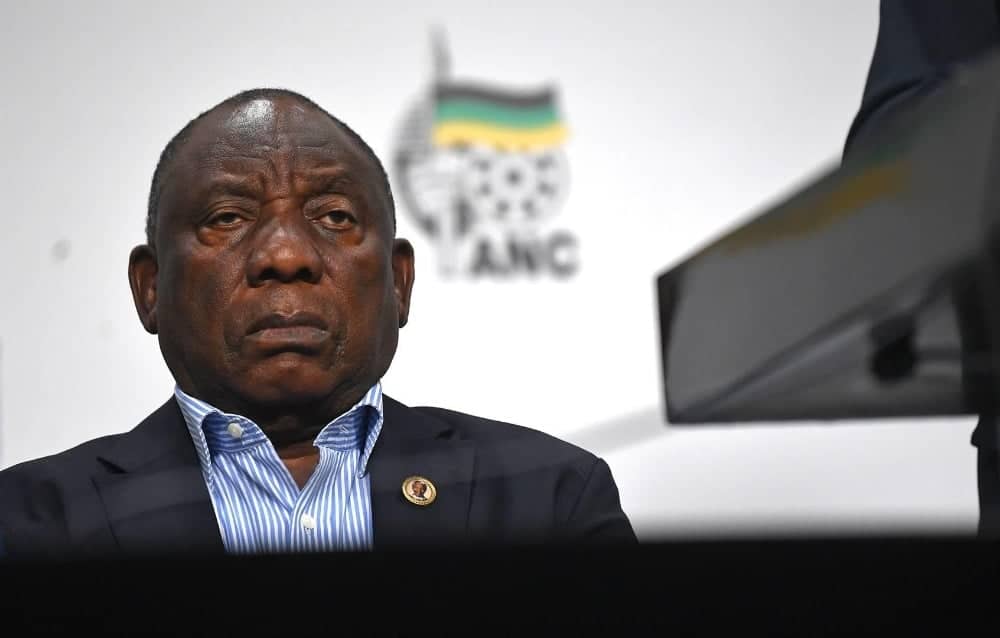
As South Africa approaches a crucial election period, the legislative process surrounding the Inquire Invoice has drawn significant attention. The bill, which addresses oversight of the country’s intelligence services, has sparked debate among lawmakers and civil society regarding its implications for transparency, accountability, and national security. Despite various concerns raised during parliamentary discussions, the National Council of Provinces (NCOP) is poised to approve the bill in its current form, enabling it to be forwarded to President Cyril Ramaphosa for assent. This article delves into the background, legislative journey, debates, and potential impact of the Inquire Invoice ahead of the elections.
The Inquire Invoice, officially known as the General Intelligence Laws Amendment Bill, aims to amend existing legislation governing South Africa’s intelligence services. Its primary objective is to refine oversight mechanisms and clarify the powers and responsibilities of intelligence agencies, particularly in areas related to national security and surveillance.
The bill has been positioned by proponents as a necessary update to outdated laws that no longer adequately address modern security threats, including cybercrime and terrorism. By reinforcing intelligence capabilities and oversight frameworks, the government intends to enhance the country’s ability to protect its citizens and institutions.
However, the bill’s introduction has raised alarms among critics who fear that certain provisions may undermine democratic oversight and civil liberties. Concerns focus on the potential expansion of executive powers without sufficient parliamentary or judicial checks, which could affect transparency and accountability.
The Inquire Invoice was first debated and passed by the National Assembly (NA) last month after extensive discussions and public submissions. Despite opposition parties and civil society groups advocating for amendments, the majority supported the bill’s passage, citing national security imperatives.
Following the NA’s approval, the bill proceeded to the National Council of Provinces (NCOP), where it has undergone further scrutiny. The NCOP’s role is to represent provincial interests and ensure that legislation reflects the diverse needs of South Africa’s regions.
In the NCOP, an ad hoc committee reviewed the bill and considered possible amendments. While two minor changes were proposed, the committee ultimately recommended passing the bill without significant alterations. This decision paved the way for the bill to be finalized and sent to the President.
Throughout the legislative process, various stakeholders expressed apprehension about the bill’s potential to erode oversight over the intelligence services. Civil society organizations warned that the bill could grant excessive powers to the executive branch, reducing transparency and enabling abuses.
Opposition parties echoed these concerns, emphasizing the need for stronger parliamentary oversight and safeguards to prevent misuse of intelligence capabilities. Some called for the inclusion of independent review mechanisms and enhanced protections for whistleblowers.
Despite these calls, the ruling party maintained that the bill strikes the right balance between security and oversight. They argued that existing frameworks, combined with the proposed amendments, would provide adequate checks while allowing intelligence agencies to operate effectively.
The timing of the bill’s passage—expected just before the national elections—has added a layer of political complexity. Some analysts suggest that finalizing the legislation ahead of the elections may influence the political landscape by shaping the intelligence community’s mandate during a critical period.
Others worry that rushing the bill through without addressing all concerns could undermine public confidence in democratic institutions. The perception of limited oversight over intelligence services might fuel skepticism about government transparency and accountability.
On the other hand, proponents argue that having a clear legal framework in place before the elections is essential for maintaining stability and security during the electoral process. They contend that robust intelligence operations are vital to preventing disruptions and ensuring a free and fair vote.
Once the NCOP passes the bill, it will be sent to President Cyril Ramaphosa for assent. As the head of state, Ramaphosa has the constitutional authority to sign the bill into law or refer it back to Parliament for reconsideration if he identifies constitutional concerns.
Given the political and security implications, the President’s decision will be closely watched by all stakeholders. His assent would signal endorsement of the legislation and the government’s approach to intelligence oversight.
Should the President choose to withhold assent or request amendments, it could trigger further parliamentary debates and delay the bill’s enactment. However, prevailing political dynamics suggest a high likelihood of the bill becoming law before the elections.
If enacted, the Inquire Invoice will reshape the legal landscape governing intelligence agencies in South Africa. It is expected to formalize certain operational procedures and clarify the scope of powers granted to intelligence officers.
This could lead to more streamlined intelligence operations, enabling agencies to respond more swiftly to emerging threats. However, without enhanced oversight provisions, there is a risk of diminished accountability, which could affect public trust.
The bill’s passage may also set a precedent for future legislation related to security and intelligence, influencing how democratic principles are balanced with national security concerns in South Africa.
Media outlets have extensively covered the debates surrounding the Inquire Invoice, highlighting both the security rationale and the civil liberties implications. News24, among other platforms, has provided in-depth analysis and updates on the bill’s progress.
Public opinion remains divided, with some citizens prioritizing enhanced security measures and others advocating for stronger protections of privacy and democratic oversight.
The ongoing discourse reflects broader societal tensions between ensuring safety and preserving freedoms, a challenge faced by many democracies worldwide.
Following presidential assent, the government will likely initiate implementation processes, including updating operational protocols within intelligence agencies and informing parliamentary oversight bodies.
Civil society groups and opposition parties may continue to monitor the bill’s application closely, ready to raise concerns if abuses or overreach occur.
The legislation’s impact will unfold over time, influencing South Africa’s security environment and the evolving relationship between state power and democratic accountability.
The impending passage of the Inquire Invoice marks a significant moment in South Africa’s legislative and security landscape. As the bill moves towards President Cyril Ramaphosa’s desk, the balance between strengthening national intelligence capabilities and preserving democratic oversight remains a central concern. While the legislation promises to modernize intelligence governance, the apprehensions voiced by civil society and opposition parties highlight the need for vigilant monitoring and ongoing dialogue. Ultimately, how this bill shapes South Africa’s security framework and democratic integrity will depend not only on its provisions but also on the commitment of all stakeholders to uphold transparency, accountability, and the rule of law.
Originally reported by news24.com. Adapted for our readers.
Keep reading
Top Stories
Since the Supreme Court overturned Roe v. Wade in 2022, the landscape of abortion rights in the United S...
Top Stories
Top Stories Tamfitronics One evening in May, nursing assistant Debra Ragoonanan’s vision blurred during her shift at a state-run Massachusetts vet...
Top Stories
2:54 PM Saudi Arabia shouldn’t be part of Iran-U.S. war, Turkish foreign minister says Turkish Foreign Minister Hakan Fidan spoke out Saturday about…
TAMFIS NIG LTD
Electrical and instrumentation engineering, bid preparation and consulting, IT and software.