
Top Stories
Discovery beneath soccer field reveals massive medieval convent lost for centuries
NEWYou can now listen to Fox News articles! Researchers recently uncovered a long-lost medieval convent in an unusual location in Denmark: a soccer field…
TAMFIS NIG LTDRC 8067447CAC ACTIVEFinima, Bonny Island, Rivers State

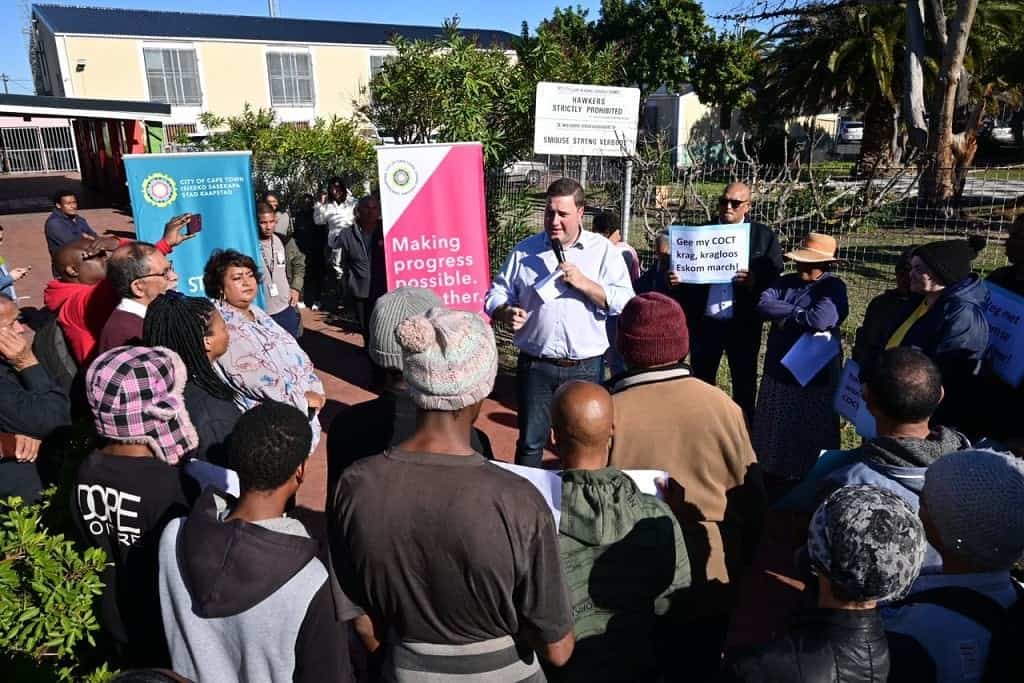
In a significant development affecting South Africa's energy landscape, Eskom, the national electricity utility, has officially withdrawn from discussions with the City of Cape Town about transferring certain electricity supply areas to the municipal grid. The talks, which held promise for enhanced local control and improved service delivery in the metro, have now stalled after Eskom's management declined to support the proposed switch. This article delves into the details of the negotiations, the reasons behind Eskom's decision, the potential ramifications for Cape Town residents, and what this means for the broader energy sector in South Africa.
The City of Cape Town has long sought to assume control over electricity supply areas currently managed by Eskom within the metro. This move aimed to streamline energy distribution, improve maintenance responsiveness, and integrate renewable energy initiatives more effectively. Historically, Eskom has supplied power to certain regions within metropolitan boundaries, leading to fragmented management and complexities in service delivery.
Discussions about the transfer intensified in recent years as Cape Town's local government pushed for greater autonomy over its energy grid. The municipality argued that assuming responsibility for these supply areas would enable faster infrastructure upgrades and better responsiveness to residents' needs. Such a switch was seen as a step toward modernizing the city's energy framework and reducing reliance on the national utility.
In late April, Eskom's chief executive, Mbulelo Yedwa, formally communicated to the City of Cape Town that Eskom's executive management did not approve the proposed transfer. This decision effectively halted the progression of the talks and left the future of these supply areas under Eskom's control uncertain.
Eskom's decision to back out of the transfer talks stemmed from multiple strategic and operational considerations. The utility is currently grappling with financial constraints, aging infrastructure, and ongoing operational challenges that demand focused attention. Relinquishing supply areas to municipalities might complicate Eskom’s ability to stabilize its national grid and manage resources effectively.
Moreover, Eskom's management may be wary of the financial implications associated with transferring assets and responsibilities. The utility is under pressure to maintain service delivery amidst load shedding and rising costs. Ceding supply areas could reduce Eskom’s revenue base and complicate cost recovery mechanisms.
There are also regulatory and governance factors at play. Eskom operates under national oversight and faces complex regulatory frameworks. Transferring supply areas to a municipal authority requires significant coordination, compliance efforts, and alignment with national energy policies, which Eskom's leadership may have found challenging or premature under current circumstances.
For the City of Cape Town, Eskom’s withdrawal represents a setback in the pursuit of greater local control over electricity distribution. The municipality had envisioned the transfer as a way to improve service reliability, accelerate infrastructure development, and expand the integration of renewable energy sources within the metro.
Remaining dependent on Eskom for electricity supply areas means Cape Town will continue to face challenges related to load shedding, delayed maintenance, and limited flexibility in managing its energy resources. The city’s ambitions to implement innovative energy solutions and reduce carbon emissions may be hampered by the lack of direct control over these areas.
However, the city continues to explore alternative strategies to enhance its energy resilience, including investments in localized renewable energy projects, energy efficiency programs, and partnerships with private sector stakeholders. Eskom’s decision underscores the need for continued collaboration and creative problem-solving to address Cape Town’s energy challenges.
Eskom’s withdrawal from the supply area transfer talks highlights broader systemic issues within South Africa’s energy sector. The utility remains the dominant player, but ongoing challenges such as aging infrastructure, financial instability, and governance concerns constrain its ability to innovate and decentralize power distribution.
The failed negotiations underscore the difficulties municipalities face when seeking greater autonomy in energy management. While local control can foster innovation and responsiveness, it requires supportive national frameworks and cooperation from Eskom, which have been inconsistent or lacking.
This development also raises questions about the pace of South Africa’s energy transition. As the country aims to increase renewable energy capacity and reduce dependence on coal-fired power, the ability of cities like Cape Town to manage their own supply areas will be critical. Eskom’s stance may slow progress toward these goals.
The City of Cape Town expressed disappointment following Eskom's decision, emphasizing the potential benefits the transfer would have brought to residents. Mayor Geordin Hill-Lewis highlighted the importance of local control in improving service delivery and addressing the metro’s unique energy needs.
Energy analysts and industry experts have weighed in, noting that Eskom’s withdrawal reflects the utility’s broader struggles but also the complexities of South Africa’s energy governance. Some argue that a more collaborative approach is needed to enable municipalities to play a greater role in energy provision.
Public reaction has been mixed, with some residents concerned about ongoing load shedding and electricity reliability, while others remain cautiously optimistic that Cape Town will find alternative solutions. The situation has reignited debates about Eskom’s future and the need for energy sector reforms.
Despite the current impasse, the City of Cape Town and Eskom may revisit the transfer proposal in the future, especially if conditions within Eskom improve or if national policy frameworks evolve to better support municipal energy management. Ongoing dialogue remains essential to identifying mutually beneficial solutions.
Cape Town may also pursue incremental steps to gain more influence over its energy supply, such as negotiating operational agreements, investing in smart grid technologies, or expanding decentralized renewable energy projects. These efforts could prepare the groundwork for eventual transfer negotiations.
National government involvement will likely be crucial in mediating future discussions, providing regulatory clarity, and ensuring alignment with South Africa’s broader energy transition objectives. The situation remains dynamic, with stakeholders closely monitoring developments.
In light of Eskom’s withdrawal, the City of Cape Town is intensifying efforts to bolster its energy resilience through alternative means. This includes accelerating investments in solar photovoltaic installations, battery storage systems, and energy efficiency initiatives across municipal facilities and communities.
The city is also exploring partnerships with independent power producers (IPPs) and private sector innovators to diversify its energy mix and reduce dependence on Eskom’s supply. These collaborations can increase local generation capacity and improve grid stability.
Community engagement and education remain key components of Cape Town’s strategy, encouraging residents and businesses to adopt energy-saving practices and participate in demand response programs. Such measures can collectively reduce peak demand and alleviate pressure on the grid.
The breakdown in talks between Eskom and the City of Cape Town serves as a case study in the complexities of energy governance in South Africa. It reveals the tension between centralized control and local autonomy in managing critical infrastructure.
Moving forward, a balanced approach that combines national oversight with empowered municipalities may offer the most viable path. This requires clear regulatory frameworks, financial support mechanisms, and capacity-building initiatives to enable cities to manage energy supply effectively.
Ultimately, achieving a sustainable, reliable, and equitable energy future for South Africa will depend on collaboration among Eskom, municipalities, government agencies, and private stakeholders. The Eskom-Cape Town supply area transfer talks may have stalled, but the underlying challenges and opportunities remain pressing.
Eskom’s withdrawal from the supply area transfer talks with the City of Cape Town marks a pivotal moment in South Africa’s energy discourse. While the immediate outcome limits Cape Town’s ability to directly manage key parts of its electricity distribution, it also underscores the complexity of reforming a deeply entrenched energy system. The path forward will require innovative approaches, strengthened partnerships, and supportive policies that balance national imperatives with local needs. As Cape Town continues to pursue energy resilience through alternative measures, the dialogue between Eskom, municipalities, and government entities remains crucial to shaping a sustainable energy future for South Africa.
Originally reported by news24.com. Adapted for our readers.
Keep reading
Top Stories
NEWYou can now listen to Fox News articles! Researchers recently uncovered a long-lost medieval convent in an unusual location in Denmark: a soccer field…
News
By Engr. Tamunofiniarisa BrownReading Time: 6 Minutes The conflict between Russia and Ukraine is often framed in the media as a simple battle between…
TAMFIS NIG LTD
Electrical and instrumentation engineering, bid preparation and consulting, IT and software.