
Top Stories
Discovery beneath soccer field reveals massive medieval convent lost for centuries
NEWYou can now listen to Fox News articles! Researchers recently uncovered a long-lost medieval convent in an unusual location in Denmark: a soccer field…
TAMFIS NIG LTDRC 8067447CAC ACTIVEFinima, Bonny Island, Rivers State

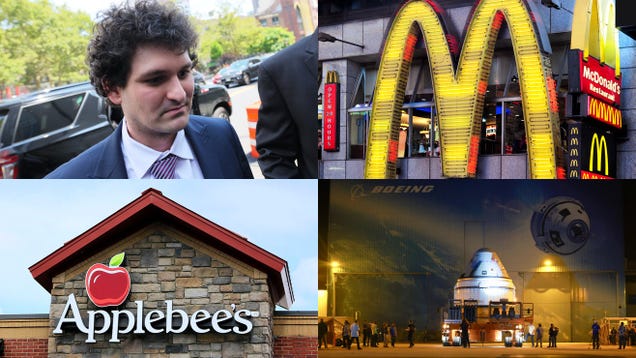
In today's dynamic economic landscape, major corporations and financial entities face unprecedented challenges and opportunities. Inflationary pressures have notably impacted consumer-driven companies like McDonald's, altering cost structures and consumer behavior. Meanwhile, the embattled cryptocurrency exchange FTX is witnessing hopeful signs as commission-backed support aims to compensate affected customers. On the other end, Spirit Airlines continues to grapple with persistent financial losses amid a failed merger and an uncertain aviation market. This comprehensive roundup delves into the latest developments affecting these key players, providing insights into how inflation, regulatory support, and market dynamics are shaping their futures.
McDonald's, a global fast-food giant, has felt the increasing pinch of inflation across its supply chain and operational expenses. Rising costs for ingredients, labor, and logistics have squeezed profit margins, forcing the company to reconsider pricing strategies and menu offerings. These inflationary pressures are not isolated but reflect broader economic trends affecting the foodservice industry worldwide.
To mitigate the impact, McDonald's has implemented selective price increases and enhanced operational efficiencies. However, these adjustments come with risks, as higher prices may dampen consumer demand, particularly among price-sensitive customers. The company is also investing in technology and automation to streamline service and reduce costs, aiming to maintain profitability without compromising customer experience.
Consumer behavior has shifted as well, with diners becoming more cautious in discretionary spending. While McDonald's benefits from its value-oriented brand positioning, sustained inflation could alter dining habits, potentially reducing frequency or average transaction size. Monitoring these trends remains critical for McDonald’s as it navigates an inflationary environment.
FTX, once a leading cryptocurrency exchange, collapsed amid financial irregularities and regulatory scrutiny, leaving many customers facing significant losses. Recent developments indicate that nearly all affected customers may receive close to 100% compensation through commission-supported recovery mechanisms. This prospect offers a rare glimmer of hope in the volatile crypto market, where investor protection is often limited.
The commission-backed support stems from legal settlements and asset recoveries managed by appointed trustees and regulators. These efforts aim to restore customer funds by liquidating remaining assets and reallocating recovered proceeds. While the process is complex and ongoing, the high recovery rate marks a significant departure from typical outcomes in crypto exchange failures.
Industry observers highlight that this development could set a precedent for future insolvencies in the cryptocurrency sector. Enhanced regulatory oversight and structured recovery plans may improve investor confidence and stability in digital asset markets, which have historically been prone to abrupt collapses and minimal restitution.
Spirit Airlines has reported its tenth consecutive quarterly loss, amounting to $160 million, underscoring ongoing financial challenges. The airline’s struggles intensified following the halted merger attempt with JetBlue Airways, which was blocked by the U.S. Department of Justice on antitrust grounds. This setback has forced Spirit to reassess its growth strategies in a fiercely competitive industry.
The failure to merge has left Spirit vulnerable to market pressures, including rising fuel costs, labor shortages, and fluctuating travel demand. Management has expressed cautious optimism but acknowledges that profitability remains elusive in the near term. The company forecasts continued losses in the upcoming quarter, emphasizing the need for operational improvements and cost management.
Despite these challenges, Spirit’s CEO has maintained a positive outlook, focusing on the airline’s low-cost business model and efforts to enhance customer service. The company is exploring alternative partnerships and strategic initiatives to regain market share and restore investor confidence amid the uncertain aviation landscape.
Broader inflationary trends have influenced consumer spending across the foodservice sector. Chains like Applebee’s and IHOP have reported declines in sales as diners scale back on discretionary outings or opt for more budget-conscious choices. This shift in behavior reflects growing economic uncertainty and tighter household budgets.
Dine Brands Worldwide, owner of these chains, highlighted that customers are postponing dinner plans and ordering more strategically to manage expenses. Such trends pose challenges for restaurant operators who rely on consistent foot traffic and average check size growth to drive revenue.
To adapt, many foodservice companies are innovating with value menus, loyalty programs, and digital ordering enhancements. These strategies aim to attract cost-conscious consumers while maintaining profitability. Monitoring evolving consumer preferences remains essential for sustained success amid inflationary pressures.
Regulatory decisions continue to play a pivotal role in shaping the prospects of major companies. The U.S. Department of Justice’s intervention in the Spirit-JetBlue merger exemplifies how antitrust concerns can alter corporate trajectories and market competition. Such regulatory scrutiny seeks to balance competitive markets with consumer interests but can also introduce uncertainty for stakeholders.
In the cryptocurrency realm, regulatory frameworks are evolving to protect investors and ensure market integrity. The support mechanisms for FTX customers reflect increasing regulatory engagement in managing exchange failures and safeguarding assets. These interventions may encourage more robust compliance and transparency within the industry.
For multinational corporations like McDonald’s, regulatory factors around labor laws, food safety, and international trade also influence operational costs and strategies. Navigating this complex regulatory landscape requires adaptive governance and proactive risk management to sustain growth in diverse markets.
In response to inflation and shifting market conditions, companies are increasingly leveraging technology to optimize operations and enhance customer engagement. McDonald’s investment in automation, digital ordering kiosks, and mobile app enhancements exemplifies this trend, aiming to reduce labor costs and improve service speed.
Spirit Airlines is also exploring technology-driven solutions, such as improved booking platforms and operational analytics, to increase efficiency and customer satisfaction. Implementing data-driven decision-making can help the airline better manage capacity, pricing, and resource allocation amid financial pressures.
Similarly, cryptocurrency exchanges are adopting advanced security protocols and transparent transaction systems to rebuild trust and prevent future collapses. Technological innovation thus emerges as a critical tool for companies navigating economic headwinds and evolving consumer expectations.
Investors monitoring these sectors should consider the interplay between inflation, regulatory developments, and corporate strategies. McDonald’s ability to balance price adjustments with consumer demand will be pivotal for sustaining growth in a cost-sensitive environment. Likewise, ongoing support for FTX customers may restore some confidence in crypto assets but the sector remains volatile.
Spirit Airlines’ future hinges on its capacity to adapt post-merger failure, manage costs, and capitalize on travel demand recovery. Investors should weigh the risks of continued losses against potential upside from restructuring and market repositioning.
Overall, a cautious yet opportunistic approach is advisable. Diversifying portfolios to include companies with strong operational adaptability and regulatory compliance can mitigate risks associated with inflationary pressures and market uncertainties.
The recent developments at McDonald’s, FTX, and Spirit Airlines illustrate the complex challenges and evolving opportunities faced by major players in today’s economy. Inflation has reshaped consumer behavior and cost structures, compelling companies to innovate and adapt rapidly.
Regulatory interventions and commission-backed supports highlight the growing role of governance in stabilizing markets and protecting stakeholders. Meanwhile, technological advancements offer pathways to operational resilience and enhanced customer experiences.
For businesses and investors alike, staying informed and agile is essential to successfully navigate this period of uncertainty. By understanding the nuanced impacts of inflation, regulatory shifts, and market dynamics, stakeholders can make more informed decisions and capitalize on emerging trends.
As inflationary pressures, regulatory shifts, and market uncertainties converge, companies like McDonald’s, FTX, and Spirit Airlines are compelled to evolve rapidly. While inflation challenges pricing and consumer demand, regulatory and commission-backed supports offer some stability and hope, particularly in the cryptocurrency sector. Financial losses and strategic setbacks, as seen with Spirit Airlines, underscore the importance of operational resilience. Ultimately, embracing innovation, maintaining regulatory compliance, and understanding changing consumer behaviors will be essential for sustained success. Stakeholders who remain vigilant and adaptable will be best positioned to navigate this complex economic environment.
Source: qz.com. Originally reported there; this article has been adapted for Tamfitronics readers.
Keep reading
Top Stories
NEWYou can now listen to Fox News articles! Researchers recently uncovered a long-lost medieval convent in an unusual location in Denmark: a soccer field…
News
By Engr. Tamunofiniarisa BrownReading Time: 6 Minutes The conflict between Russia and Ukraine is often framed in the media as a simple battle between…
TAMFIS NIG LTD
Electrical and instrumentation engineering, bid preparation and consulting, IT and software.