Top Stories
Discovery beneath soccer field reveals massive medieval convent lost for centuries
NEWYou can now listen to Fox News articles! Researchers recently uncovered a long-lost medieval convent in an unusual location in Denmark: a soccer field…
TAMFIS NIG LTDRC 8067447CAC ACTIVEFinima, Bonny Island, Rivers State

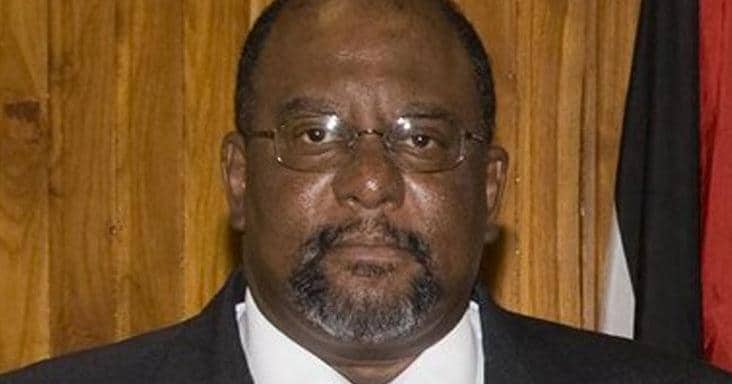
In a recent development that has captured the attention of Trinidad and Tobago’s public sector and political spheres, Minister of Finance Colm Imbert revealed the establishment of a specialized investigative team to address the controversy involving the Auditor General’s report and the Ministry of Finance. At the heart of this inquiry is the apparent understatement of revenue in the 2023 public accounts and the evaluation of a newly implemented digital cheque-clearing system by the Central Bank. To ensure impartiality and credibility, retired High Court Judge David Harris has been appointed to chair the team, which also includes a former audit director and IT specialists from Norway. This article delves into the formation, mandate, and significance of this investigative team, detailing the context and expected outcomes of their work.
The controversy began with the release of the Auditor General’s report on the Public Accounts of Trinidad and Tobago for the financial year 2023. The report highlighted an understatement of revenue figures, raising questions about the accuracy and transparency of the Ministry of Finance’s accounting practices. Such discrepancies have significant implications for public trust and fiscal accountability, prompting calls for a thorough investigation.
Compounding the issue is the introduction of a new digital cheque-clearing system by the Central Bank in February 2024, designed to replace the previous paper-based process. This technological upgrade was intended to streamline financial transactions and improve efficiency but has instead become a focal point in the debate about the revenue understatement.
The Auditor General’s report, which has yet to be laid before Parliament, has been leaked to the Opposition, leading to public allegations and political tensions. Minister Imbert has expressed concerns about misinformation and misrepresentation stemming from these leaks, emphasizing the need for an objective and comprehensive review.
Minister Imbert announced the appointment of retired High Court Judge David Harris to lead the investigative team. Judge Harris retired just a few months ago and is recognized for his integrity, competence, and impartiality. His judicial experience at the highest levels of the legal system positions him as an ideal candidate to oversee this sensitive inquiry.
Imbert underscored the importance of selecting someone beyond reproach, emphasizing the need for independence and objectivity. By appointing a retired judge with no current ties to the Ministry of Finance or political affiliations, the government aims to ensure the investigation’s credibility and public confidence in its findings.
Judge Harris’s leadership is expected to bring a rigorous legal and ethical framework to the investigation, facilitating a balanced examination of the facts and fostering transparent communication between the Ministry, the Auditor General’s office, and the public.
Alongside Judge Harris, the team includes David C. Benjamin, a former audit director at the Auditor General’s Department who is currently on leave. Benjamin’s in-depth knowledge of audit procedures and public financial management will be invaluable in dissecting the technical aspects of the revenue understatement.
Given the central role of the digital cheque-clearing system in the controversy, the team also comprises a group of IT specialists from Norway. These experts, described by Minister Imbert as “fully objective consultants,” bring international expertise in digital financial systems and cybersecurity, ensuring the technical evaluation is thorough and unbiased.
The multidisciplinary nature of the team—combining legal, audit, and technological expertise—reflects the complexity of the issues at hand. It signals the government’s commitment to addressing the matter comprehensively, covering all dimensions from procedural shortcomings to technological challenges.
The investigative team has been tasked with a detailed examination of several critical issues. First, they must determine the circumstances that led to the understatement of revenue in the 2023 public accounts and recommend measures to prevent similar occurrences in the future.
Secondly, the team will assess the effectiveness and reliability of the newly launched digital cheque-clearing system by the Central Bank of Trinidad and Tobago. This includes verifying if the system contributed to any discrepancies or operational failures related to revenue recording.
Additionally, the team will evaluate the response and actions of Ministry of Finance officials in addressing the revenue understatement, including their communication with the Auditor General. The Auditor General’s reactions and subsequent steps will also be scrutinized, alongside any allegations or statements made in her report, addendum, and appendices.
Minister Imbert emphasized his desire for an investigative team composed of individuals with impeccable reputations and no conflicts of interest. Selecting Judge Harris and Mr. Benjamin, both recognized for their professionalism and integrity, reflects this commitment to an unbiased process.
Imbert expressed particular concern about ensuring the team members have no current affiliations with the Ministry of Finance, thereby avoiding potential partiality. This approach aims to foster public trust and prevent political interference in the investigation.
The Minister also highlighted the importance of transparency and accuracy, criticizing the Opposition for allegedly misusing leaked information to spread misinformation. He called for patience and faith in the investigative process to uncover the truth and provide clarity moving forward.
One of the main challenges confronting the team is navigating the politically charged environment surrounding the Auditor General’s report. With leaked documents circulating and public debate intensifying, maintaining neutrality and focusing on factual analysis will be paramount.
Another difficulty lies in assessing the new digital cheque-clearing system’s performance within a relatively short timeframe since its implementation. The team must carefully evaluate whether technical glitches or system design issues played a role in the revenue understatement.
Moreover, the team must reconcile differing narratives between the Ministry of Finance and the Auditor General’s office, requiring meticulous review of communications, audit trails, and procedural adherence. Balancing technical scrutiny with legal and administrative considerations will be essential to producing a credible report.
The investigative team is expected to compile a comprehensive report within two months of its formation. This report will detail their findings on the causes of the revenue understatement, the performance of the digital cheque-clearing system, and the conduct of involved officials.
Recommendations for systemic improvements, policy adjustments, and technological enhancements will also be included to prevent future discrepancies and strengthen financial governance in Trinidad and Tobago.
The final report will be submitted directly to the Minister of Finance and is anticipated to inform parliamentary discussions and public discourse. Transparency in the report’s presentation will be critical to restoring confidence in the country’s financial oversight mechanisms.
This investigation underscores the challenges faced by Trinidad and Tobago’s public financial management systems in adapting to technological innovations and maintaining accountability. The findings could prompt reforms in auditing practices, digital infrastructure, and inter-agency communication.
A transparent and credible inquiry has the potential to reinforce public trust in government institutions, particularly in the management of national resources and fiscal reporting. It may also set a precedent for handling future discrepancies with greater openness and professionalism.
Finally, the collaborative approach involving local expertise and international IT consultants reflects a growing recognition of the importance of specialized knowledge in addressing complex financial and technological issues within the public sector.
The appointment of retired Judge David Harris to lead the investigative team marks a significant step towards resolving the complex issues surrounding the Auditor General’s report and the Ministry of Finance’s financial accounts. By assembling a multidisciplinary team with legal, audit, and technological expertise, the government demonstrates its commitment to transparency, accountability, and the modernization of public financial management. As the team embarks on its two-month mandate, stakeholders across Trinidad and Tobago await a thorough and unbiased report that will clarify the circumstances behind the revenue understatement, evaluate the new digital cheque-clearing system, and recommend measures to prevent future discrepancies. Ultimately, this inquiry has the potential to strengthen fiscal governance, enhance technological integration, and restore public trust in the nation’s financial institutions.
Originally reported by trinidadexpress.com. Adapted for our readers.
Keep reading
Top Stories
NEWYou can now listen to Fox News articles! Researchers recently uncovered a long-lost medieval convent in an unusual location in Denmark: a soccer field…
News
By Engr. Tamunofiniarisa BrownReading Time: 6 Minutes The conflict between Russia and Ukraine is often framed in the media as a simple battle between…
TAMFIS NIG LTD
Electrical and instrumentation engineering, bid preparation and consulting, IT and software.