
Top Stories
Discovery beneath soccer field reveals massive medieval convent lost for centuries
NEWYou can now listen to Fox News articles! Researchers recently uncovered a long-lost medieval convent in an unusual location in Denmark: a soccer field…
TAMFIS NIG LTDRC 8067447CAC ACTIVEFinima, Bonny Island, Rivers State

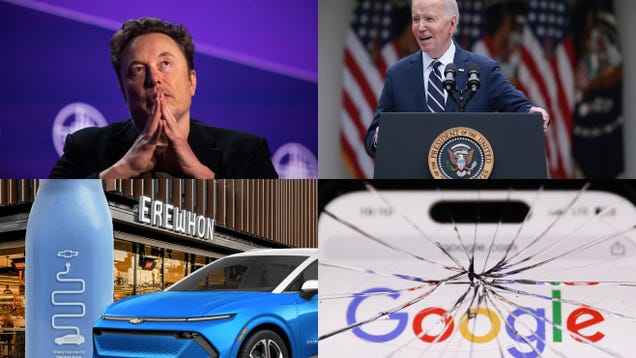
The technology sector continues to captivate global attention with its rapid innovations and high-stakes battles. Recently, three major stories have dominated headlines: Google's intensifying regulatory challenges, Intel's turbulent financial year amid renewed investor interest, and a public spat between Elon Musk and Vice President Kamala Harris over the direction of space policy. This article delves into these pivotal narratives, analyzing their impact on the industry, government relations, and future technological advancements.
Google, one of the world’s most valuable companies, is increasingly under pressure from regulators in both the United States and Europe. Despite generating over $100 billion in revenue last year, the tech giant faces accusations of monopolistic practices that threaten fair competition. These concerns have led to multiple legal battles aiming to curb Google's dominance in search, advertising, and other digital markets.
Regulatory agencies have intensified their scrutiny, proposing drastic measures including the potential breakup of Google's core businesses. This move would mark a significant intervention in the tech landscape, signaling a shift toward greater oversight of large technology firms. The European Union, for instance, has been particularly aggressive in pursuing antitrust actions, reflecting broader concerns about market concentration and consumer choice.
Industry experts suggest that Google’s future strategy may need to adapt substantially to these regulatory pressures. Innovations in privacy, data management, and diversification of services could become essential for the company to maintain its market position while complying with evolving legal frameworks. The outcome of ongoing court cases will likely shape the competitive dynamics of the tech sector for years to come.
Intel has endured a challenging year characterized by declining revenues and competitive pressures in the semiconductor industry. Despite these setbacks, the chipmaker remains a focal point for investors, signaling confidence in its long-term potential. Reports indicate that Intel is currently engaged in talks for multi-billion-dollar deals, including a possible takeover, highlighting the strategic value seen by market participants.
The semiconductor landscape has been reshaped by rapid innovation and fierce competition from rivals such as AMD and Nvidia. Intel’s difficulties partly stem from delays in manufacturing advancements and supply chain disruptions. However, ongoing investments in research and development, coupled with leadership changes, aim to restore the company’s competitive edge.
Investor interest from entities like Apollo Global Management, which has proposed investments up to $5 billion, underscores the belief that Intel can rebound. Qualcomm’s rumored takeover consideration further emphasizes the consolidation trends within the semiconductor sector, as companies seek to leverage synergies and scale to navigate an increasingly complex market environment.
Elon Musk, CEO of SpaceX, recently made headlines with his stark warning about the future of space exploration should Vice President Kamala Harris win the 2024 presidential election. Musk’s comments reflect deep divisions over U.S. space policy and the role of private companies versus government agencies in advancing space technology.
Musk’s vision emphasizes rapid innovation, commercial partnerships, and ambitious projects like Mars colonization. In contrast, Harris and other political figures advocate for increased regulatory oversight and balancing national security with space exploration goals. This ideological clash highlights broader debates about how space should be governed and who should lead its exploration.
The public spat between Musk and Harris also raises questions about the intersection of politics and technology. As space becomes a strategic frontier with economic and geopolitical implications, the policies set by elected officials will significantly influence the trajectory of the industry, affecting everything from satellite deployment to human spaceflight.
In recent months, the Biden administration has taken decisive steps to address national security and economic concerns related to technology imports. Notably, the government proposed banning the sale of imported Chinese-made software and smart vehicles in the U.S., citing safety risks. This move reflects ongoing tensions in U.S.-China relations and efforts to protect critical technology infrastructure.
The administration’s tariffs on Chinese goods, including electric vehicles, aim to bolster domestic manufacturing while addressing unfair trade practices. These policies have significant implications for global supply chains and the automotive industry, especially as electric vehicles become central to sustainable transportation strategies.
Industry stakeholders have expressed mixed reactions, balancing the need for security with concerns about increased costs and market disruptions. The evolving regulatory landscape underscores the complex interplay between technology advancement, international competition, and national policy objectives.
Meta Platforms Inc., formerly Facebook, unveiled an array of new devices and artificial intelligence features at its annual Connect conference. CEO Mark Zuckerberg highlighted advancements designed to enhance virtual reality (VR) and augmented reality (AR) experiences, reinforcing the company’s commitment to building the metaverse.
Among the announcements were new VR headsets with improved performance and comfort, alongside AI-driven tools intended to personalize user interactions. These technologies aim to create more immersive digital environments, expanding opportunities for social connection, entertainment, and commerce.
Meta’s focus on AI integration reflects broader industry trends toward machine learning and automation. By leveraging AI across its platforms, the company seeks to maintain competitive advantage and address challenges such as content moderation, user engagement, and data privacy.
Electric vehicles (EVs) have gained popularity in the United States, yet political divisions continue to influence their adoption. Industry leaders, including automaker CEOs, have expressed frustration with the partisan split that hampers widespread acceptance of EV technology and infrastructure development.
While some states and policymakers aggressively promote EV incentives and environmental regulations, others remain skeptical or oppose mandates, citing economic and energy concerns. This divide complicates efforts to build a cohesive national strategy for clean transportation and climate goals.
Automakers like Chevrolet and Rivian are navigating this landscape by launching innovative products and partnerships that emphasize sustainability. However, the political environment remains a critical factor shaping consumer behavior, investment decisions, and regulatory frameworks within the EV market.
Cross-industry collaborations are becoming increasingly vital in advancing sustainability goals. A notable example is the partnership between Chevrolet and organic supermarket chain Erewhon, which launched a limited-edition wellness beverage inspired by Chevy’s 2025 Equinox EV. This initiative blends automotive innovation with health and sustainability messaging.
Such partnerships reflect growing consumer demand for environmentally responsible products and corporate commitments to emission reduction. By integrating themes of wellness and sustainability, companies aim to build brand loyalty and promote broader cultural shifts toward eco-friendly lifestyles.
These collaborations also highlight how technology firms and automakers are expanding beyond traditional markets. By engaging with lifestyle and wellness sectors, they create new avenues for influence and innovation that support their environmental objectives.
The technology sector remains a dynamic arena shaped by regulatory challenges, market pressures, and visionary leadership. Google’s legal battles highlight the growing demand for accountability and competition, while Intel’s situation exemplifies resilience amid adversity. The public debate between Elon Musk and Kamala Harris over space policy reflects broader tensions between innovation and governance. Meanwhile, governmental policies, corporate innovations, and cross-sector collaborations continue to redefine the future of technology. As these stories unfold, they collectively illustrate the complex interplay between technology, politics, and society that will determine the next chapter of global advancement.
Originally reported by qz.com. Adapted for our readers.
Keep reading
Top Stories
NEWYou can now listen to Fox News articles! Researchers recently uncovered a long-lost medieval convent in an unusual location in Denmark: a soccer field…
News
By Engr. Tamunofiniarisa BrownReading Time: 6 Minutes The conflict between Russia and Ukraine is often framed in the media as a simple battle between…
TAMFIS NIG LTD
Electrical and instrumentation engineering, bid preparation and consulting, IT and software.