
Business
Nigeria’s Economic Performance: Domestic Debt Rise and Agriculture Trade Shift in Q2 2026
Nigeria's economic landscape in the second quarter of 2026 presents a mixed picture of fiscal press...
TAMFIS NIG LTDRC 8067447CAC ACTIVEFinima, Bonny Island, Rivers State

The renewed conflict between the United States and Iran has escalated significantly, resulting in substantial military expenditures, growing casualty figures, and intense political debate over war funding and strategy. As of July 2026, the Pentagon estimates the war has cost approximately $37.5 billion, reflecting a nearly $8 billion increase since May. The Department of Defense is now requesting an additional $87 billion in supplemental funding, primarily for Middle East operations, a proposal that has ignited partisan clashes in Congress and drawn public scrutiny. This article examines the financial, political, human, and strategic dimensions of the conflict, offering a comprehensive view of its mounting burdens and uncertain trajectory.
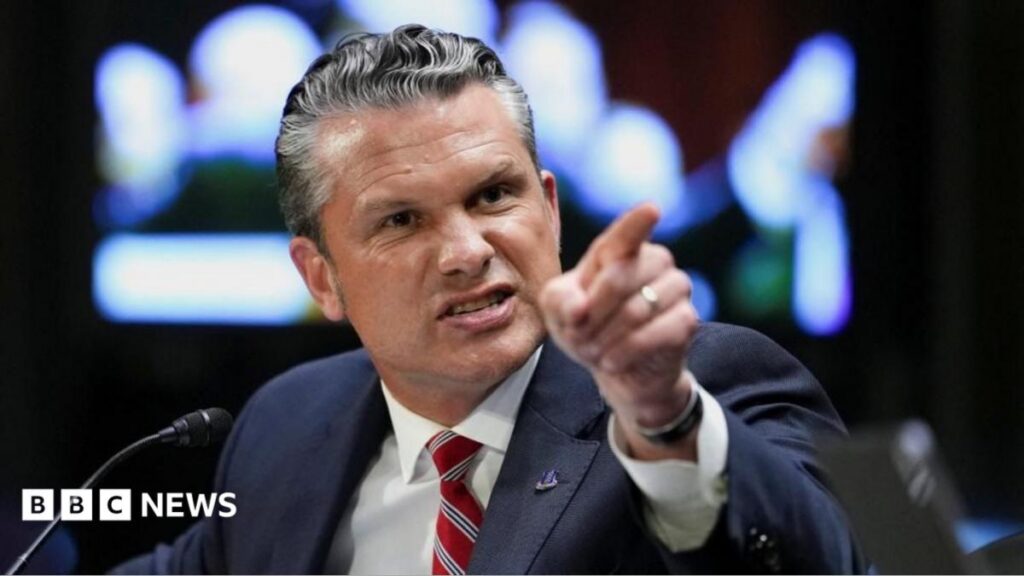
Defense Secretary Pete Hegseth disclosed that US military operations against Iran have cost approximately $37.5 billion to date, marking a rise of nearly $8 billion since May 2026. This figure encompasses ongoing strikes, retaliatory engagements, and sustained military presence across the region. The Pentagon’s request for an additional $87 billion in congressional funding highlights the scale of sustained combat operations, with $67 billion specifically allocated for Middle East theater activities. These funds are intended not only for direct combat but also for critical support functions including military training, equipment replenishment, logistics, and personnel sustainment. Hegseth emphasized that without this funding, readiness could deteriorate, potentially undermining long-term strategic capabilities. However, some analysts caution that current estimates may understate total costs, as they may not fully account for indirect expenses such as base repairs, medical care for wounded personnel, or long-term veterans’ services associated with prolonged deployments.
The Pentagon’s funding request became a flashpoint during a Senate Appropriations Committee hearing, where Hegseth warned that failure to secure the funds would jeopardize essential training programs and operational readiness. His testimony was interrupted by anti-war protesters, underscoring growing public opposition to the conflict. Republican Senator Susan Collins pressed Hegseth on the risks of underfunding, questioning what capabilities would be sacrificed if the request failed. In contrast, Democratic leaders expressed skepticism about the justification and scale of the ask. Senator Patty Murray criticized the request as lacking sufficient detail and accused the administration of circumventing standard appropriations norms. Senator Dick Durbin raised concerns about transparency and fiscal accountability, while Senator Kirsten Gillibrand challenged the rationale for seeking vast sums for a conflict the administration claimed to have already won. The hearing reached a tense peak during an exchange between Hegseth and Senator Gary Peters, who questioned the strategic clarity and end goals of the prolonged engagement, reflecting deep partisan divides over both the war’s conduct and its financial oversight.
The human toll has risen sharply, with multiple US service members killed in recent engagements in Iraq and Jordan. The Pentagon confirmed the deaths of Sgt Michael Emmanuel Swinton, Sgt Angel Rampersad, Pfc Isabella Gonzales, and 1st Lt Tyler Feehan in attacks attributed to Iranian-backed forces. These losses have intensified public and congressional scrutiny over the war’s justification, execution, and exit strategy. The current escalation followed the collapse of an April 2026 ceasefire agreement, triggering an 11th consecutive day of US strikes against Iranian targets. Iran has responded with coordinated retaliatory actions against US forces and regional allies, perpetuating a cycle of violence that shows few signs of abating. Beyond battlefield casualties, the conflict has sparked domestic protests, with demonstrators condemning the bombing campaigns and calling for an end to US military involvement. Critics argue that the human and financial costs are disproportionate to stated strategic objectives, raising broader questions about the sustainability of open-ended military commitments in volatile regions.
Defense Secretary Hegseth has framed the $87 billion request as a 'generational investment' necessary to preserve US military superiority and deter future aggression. He argued that failing to fund readiness now would risk long-term decline in global competitiveness, particularly as near-peer adversaries modernize their forces. However, the political environment remains highly constrained. Many Democrats oppose the supplemental spending without clear offsets or timelines, while some Republicans insist on pairing the funds with cuts elsewhere in the budget. Congress has entered its summer recess and is not scheduled to reconvene until September, leaving the fate of the funding request uncertain for months. Former President Donald Trump has also entered the debate, contrasting the duration and toll of the Iran war with previous conflicts and questioning its strategic value. Meanwhile, diplomatic channels remain strained, though backchannel talks have not been ruled out. The coming months will be critical: continued escalation could deepen the financial and human burden, while any shift toward negotiation might open space for de-escalation—though trust deficits and divergent objectives make such a path uncertain.
The deepening US-Iran conflict presents a convergence of financial strain, political division, and human cost that challenges traditional assumptions about military engagement in the 21st century. As the Pentagon seeks vast supplemental funding to sustain operations, Congress grapples with competing priorities amid public skepticism and procedural concerns. The rising toll on service members and the lack of a defined strategic end state underscore the urgency of reevaluating the war’s objectives and sustainability. Moving forward, policymakers must balance the imperative of national security with the responsibilities of fiscal discipline and democratic oversight. Whether the path forward involves continued escalation, renewed diplomacy, or a strategic reassessment, the decisions made in the coming months will shape not only the trajectory of this conflict but also the broader framework of US foreign policy and military engagement in an increasingly volatile world.
Originally reported by bbc.co.uk. Adapted for our readers with AI assistance.
Keep reading
Business
Nigeria's economic landscape in the second quarter of 2026 presents a mixed picture of fiscal press...
Business
Liverpool manager Andoni Iraola is confronting a significant selection headache as two key forwards, Cod...
News
Health News tamfitronics [Editor’snote:[Editor’snote: This transcript was generated using both transcription ...
TAMFIS NIG LTD
Electrical and instrumentation engineering, bid preparation and consulting, IT and software.