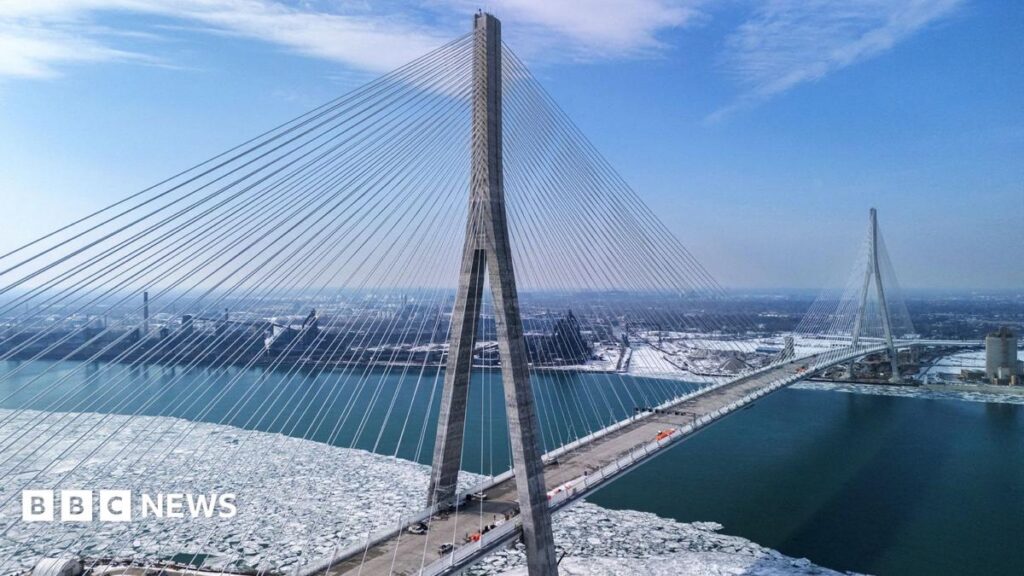
The Gordie Howe International Bridge: A Symbol of US-Canada Trade Tensions
After nearly a decade of construction and billions of dollars invested, the Gordie Howe International Bridge was set to become a landmark symbol of cooperation between Canada and the United States. Connecting Detroit, Michigan, and Windsor, Ontario, the bridge was intended to ease one of North America's busiest trade bottlenecks. However, political tensions, tariff threats, and ownership disputes have transformed this infrastructure project into a reflection of the complex and often fraught relationship between the two nations. This article examines the history of the bridge, recent developments, and the challenges facing Canadian Prime Minister Mark Carney as he navigates these turbulent waters.
The Gordie Howe International Bridge: A Symbol of US-Canada Trade Tensions
A Bridge Meant to Unite Two Nations
The Gordie Howe International Bridge was envisioned as a critical infrastructure project to support the massive flow of goods between Canada and the United States. The crossing between Windsor and Detroit is one of the busiest commercial border points in North America, handling over C$1 billion worth of goods daily. Named after the legendary Canadian ice hockey player who spent much of his career with the Detroit Red Wings, the bridge was meant to symbolize the close ties and shared economic interests of the two countries.
Construction began over eight years ago and was fully funded by Canada, a decision made to overcome political resistance in the US and to expedite the project. Ownership of the bridge is shared between Ottawa and Michigan, with Canada initially agreeing to share toll revenues with the US state only after recouping its construction costs. The bridge’s completion was anticipated to alleviate congestion and improve trade efficiency, benefiting industries on both sides of the border.
Political and Economic Challenges Emerge
Despite its promise, the bridge has become embroiled in political controversy. The Moroun family, owners of the nearby Ambassador Bridge—the busiest commercial crossing and one of the few privately owned border crossings—have long opposed the new project. Matthew Moroun, a billionaire and Trump donor, reportedly met with US Commerce Secretary Howard Lutnick shortly before President Donald Trump publicly threatened to block the bridge’s opening unless the US gained greater control over it.
In early 2026, Trump demanded that the US should own at least half of the bridge, challenging the existing ownership and revenue-sharing arrangements. This demand came just before a planned inauguration ceremony, leading Canada to disinvite American officials from the event. The standoff underscored the growing tensions between the two countries amid broader trade disputes.
Negotiations and Concessions Amid Trade Disputes
In response to the US pressure, Canada agreed to delay the bridge’s opening to allow further negotiations. Eventually, Ottawa consented to split half of the bridge’s toll revenues for the next 15 years with a US-controlled economic development fund. This agreement was touted by Trump as a significant win for America, though it drew criticism within Canada.
Prime Minister Mark Carney, who had campaigned on a tough approach to US trade challenges, now faces scrutiny for what some perceive as concessions to an administration viewed by many Canadians as unpredictable and unfair. Critics argue that Canada has been negotiating from a position of weakness, citing the removal of retaliatory tariffs and the scrapping of a digital services tax opposed by US tech companies as examples of Canadian compromises.
Some Canadian politicians, including Conservative MP Shuvaloy Majumdar, have voiced frustration, accusing the government of allowing Canada to be treated as a 'punching bag' by the Trump administration. Others, like Ontario Premier Doug Ford, have praised Carney for securing a deal that, while imperfect, is necessary to keep vital trade routes open.
The Broader Context of US-Canada Relations
The Gordie Howe Bridge dispute is emblematic of the broader challenges in US-Canada relations under the Trump administration. Trade disagreements have intensified, with tariffs and retaliatory measures disrupting longstanding economic ties. The bridge’s delay and the contentious negotiations reflect the complexities of maintaining cooperation amid shifting political landscapes.
Canada’s response has been mixed, with some provincial leaders advocating for stronger resistance, including leveraging energy and mineral exports, while others urge caution to preserve economic stability. The lack of a unified Canadian stance complicates efforts to present a firm front in negotiations.
Experts note that while concessions have been made, they may be necessary to ensure the continued flow of goods and maintain supply chains critical to both economies. The challenge for Canadian leadership lies in balancing assertiveness with pragmatism to protect national interests without escalating conflicts.
Looking Ahead: Navigating Uncertainty
As the Gordie Howe International Bridge prepares to open, its future remains uncertain amid ongoing political tensions. The revenue-sharing agreement and ownership structure continue to be points of contention, with calls for greater transparency and clarity from the Canadian government.
Prime Minister Carney’s approach will be closely watched, as he must manage domestic expectations while engaging with a US administration known for its unpredictable trade policies. The bridge, once a symbol of unity, now serves as a reminder of the delicate balance required to sustain the vital economic partnership between Canada and the United States.
Observers suggest that while Canada has made significant concessions, further compromises could be detrimental, especially given the US administration’s track record of reneging on agreements. The priority remains to keep the trade corridor operational, supporting businesses and communities reliant on cross-border commerce.
What this means
The Gordie Howe International Bridge was envisioned as a symbol of cooperation and economic partnership between Canada and the United States. Yet, political disputes and trade tensions have transformed it into a focal point of strained relations. While Canada has made concessions to secure the bridge’s opening, the situation underscores the complexities of navigating bilateral trade in an era of unpredictable politics. Moving forward, Canadian leaders must carefully balance domestic pressures and international realities to safeguard the country’s economic interests and maintain a functional and mutually beneficial relationship with its southern neighbor.
Thousands of young protesters in Delhi continue to demand education reforms and the resignation of Education Minister Dharmendra Pradhan after a police crackdown. The…
Facing a looming financial collapse, Thames Water’s main lenders have offered the UK government a ‘golden share’ and increased local authority involvement to avoid…
Facing record-breaking temperatures and severe drought, Thames Water has introduced a hosepipe ban impacting over 10 million customers across parts of southern England to…