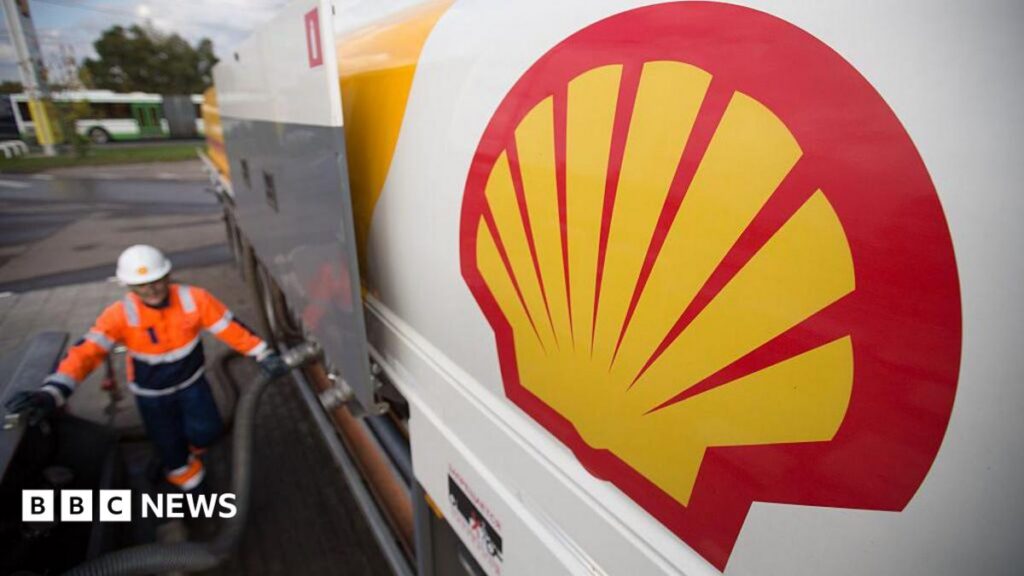
Shell’s Profits Soar Amid Iran Conflict and Volatile Oil Markets
The ongoing conflict involving Iran has sent shockwaves through global energy markets, causing significant disruptions to oil and liquefied natural gas (LNG) supplies. In this turbulent environment, Shell, one of the world’s largest oil companies, has reported a dramatic increase in profits for the second quarter of 2026. This surge reflects not only the company’s operational resilience but also the broader market dynamics shaped by geopolitical instability. This article explores the key drivers behind Shell’s financial performance, the role of oil price volatility, and the implications for the energy sector and consumers worldwide.
Shell’s Profits Soar Amid Iran Conflict and Volatile Oil Markets
Shell’s Profit Surge in the Second Quarter
Shell announced profits of $9.84 billion for the April to June period of 2026, more than doubling from $4.26 billion during the same quarter last year. This remarkable increase underscores how geopolitical events can dramatically influence the financial outcomes of major energy companies.
The company’s strong operational performance during a period marked by severe disruptions in global energy markets was highlighted by CEO Wael Sawan. Despite the challenges posed by the conflict in the Middle East, Shell managed to capitalize on market conditions, demonstrating resilience and agility in its operations.
When combined with the $6.92 billion profit reported in the first quarter, Shell’s earnings for the first half of the year surged by approximately 70%, reflecting sustained momentum driven by elevated oil prices and strategic trading activities.
Geopolitical Tensions and Their Impact on Oil Prices
The outbreak of the US-Israel war involving Iran has been a critical factor driving up oil prices. The conflict has caused major disruptions to the supply of oil and LNG through the Strait of Hormuz, a vital chokepoint through which a significant portion of the world’s energy supplies pass.
Prior to the conflict, Brent crude—the global benchmark for oil prices—traded at around $73 per barrel. Following the escalation of hostilities, prices surged to over $120 per barrel at their peak, reflecting fears of prolonged supply shortages and heightened market uncertainty.
However, oil prices have also experienced volatility, occasionally falling back below $100 per barrel amid speculation about when the Strait of Hormuz might reopen and stabilize supply routes. This price fluctuation has created opportunities for energy companies to profit from trading activities, in addition to benefiting from higher physical oil prices.
The Role of Trading and Market Volatility in Boosting Profits
Shell, along with other energy giants such as BP and Norway’s Equinor, has benefited not only from rising oil prices but also from the increased volatility in global energy markets. Large swings in oil prices can widen the gap between buying and selling prices, enabling traders within these companies to generate significant profits.
This trading advantage is particularly pronounced during periods of geopolitical uncertainty, when market participants react to rapidly changing information and supply-demand dynamics. As a result, energy companies with robust trading operations can enhance their earnings beyond the gains derived from traditional oil production and sales.
While these profits reflect successful navigation of complex market conditions, they also highlight the interconnectedness of geopolitical events, commodity markets, and corporate financial performance.
Broader Implications for the Oil Industry and Consumers
The surge in profits for Shell and its peers illustrates how geopolitical conflicts can reshape the energy landscape, often leading to higher costs for consumers worldwide. Increased oil prices typically translate into elevated fuel prices, impacting transportation, manufacturing, and everyday goods.
At the same time, the windfall gains for oil companies raise questions about the balance between shareholder returns and broader economic impacts. Policymakers and regulators may face pressure to address these dynamics, particularly in regions heavily affected by rising energy costs.
Moreover, the current situation underscores the vulnerability of global energy supplies to geopolitical risks, emphasizing the importance of diversifying energy sources and investing in more resilient infrastructure to mitigate future disruptions.
What this means
Shell’s substantial profit increase in the second quarter of 2026 reflects the complex interplay between geopolitical conflict, market volatility, and corporate strategy. While the Iran war has disrupted critical energy supply routes and driven oil prices higher, companies like Shell have leveraged these conditions to deliver strong financial results. However, this scenario also brings to light the broader challenges facing the global energy system, including the economic impact on consumers and the strategic necessity of reducing reliance on geopolitically sensitive supply chains. Moving forward, balancing corporate profitability with energy security and affordability will remain a key challenge for industry stakeholders and policymakers alike.
Editor’s note: The following is AI-generated commentary and context on this topic, not original reporting.
Broader Context and Outlook
Analysts following developments of this kind tend to focus on troop movements, statements from allied governments, and any signs of backchannel negotiations as indicators of where a situation may head next.
International bodies monitoring situations like this one often face difficult questions about the balance between diplomatic pressure, sanctions, and direct intervention as tensions escalate.
Humanitarian organisations operating in and around conflicts like this one frequently warn that access for aid workers is one of the first casualties of renewed fighting, complicating relief efforts precisely when they are needed most.
Refugee and displacement figures tend to climb steadily the longer a conflict persists, placing sustained pressure on neighbouring countries and international aid organisations alike.
Civilian populations typically bear the heaviest cost of sustained hostilities like these, with infrastructure damage disrupting access to electricity, clean water, and medical care long after any single incident makes headlines.
Conflicts of the kind referenced in “Shell’s Profits Soar Amid Iran Conflict and Volatile Oil Markets” tend to reverberate well beyond the immediate parties involved, affecting energy markets, diplomatic alliances, and humanitarian corridors across an entire region.
Diplomatic statements from allied governments in situations like this are often parsed closely by analysts for subtle shifts in language that may signal changing positions behind closed doors.
Energy and shipping markets often react quickly to escalation in conflict zones, with insurers and traders adjusting risk premiums for routes and infrastructure located near active hostilities.
History suggests that de-escalation, when it eventually comes in cases like this, rarely arrives as a single decisive moment — it tends to follow sustained diplomatic engagement between multiple stakeholders over an extended period.
The framing chosen by different outlets covering “Shell’s Profits Soar Amid Iran Conflict and Volatile Oil Markets” can vary considerably depending on editorial priorities, which is one reason it is often useful to read more than a single account of a developing story.
Originally reported by bbc.co.uk. Adapted for our readers with AI assistance.
Thousands of young protesters in Delhi continue to demand education reforms and the resignation of Education Minister Dharmendra Pradhan after a police crackdown. The…
Facing a looming financial collapse, Thames Water’s main lenders have offered the UK government a ‘golden share’ and increased local authority involvement to avoid…
Facing record-breaking temperatures and severe drought, Thames Water has introduced a hosepipe ban impacting over 10 million customers across parts of southern England to…