Scotland’s Cairngorms National Park Battles Unprecedented Wildfires Amid Europe’s Rising Heat
Wildfires have long been associated with the sun-drenched landscapes of southern Europe, but recent events reveal that even the cooler, rainier climes of northern Britain are not immune. Scotland’s Cairngorms National Park, the largest national park in the United Kingdom, is currently grappling with a significant wildfire that has devastated vast tracts of moorland and forest. This unprecedented event highlights shifting weather patterns and the growing reach of climate change, raising concerns about the future of cherished natural environments once considered safe from such threats.
Scotland’s Cairngorms National Park Battles Unprecedented Wildfires Amid Europe’s Rising Heat
A Landscape Unaccustomed to Fire Faces Devastation
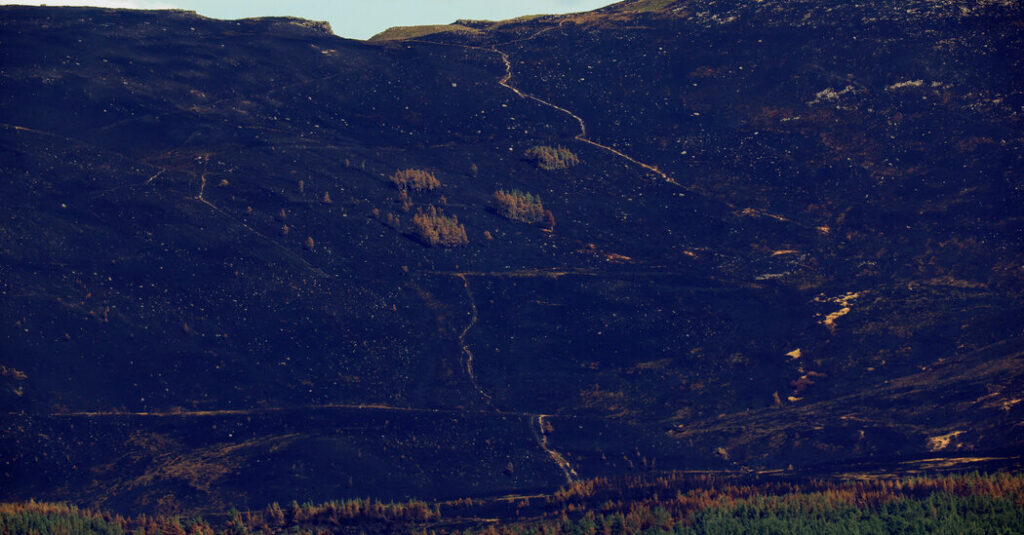
The Cairngorms National Park, nestled in the Scottish Highlands, is renowned for its rugged beauty, expansive moorlands, and diverse wildlife. Visitors typically expect cool temperatures and frequent rain, even during summer months. However, since mid-July, the park has been engulfed by a wildfire that defies these expectations. Beginning near Aviemore, a town famous for winter sports, the fire has burned through large areas of vegetation, leaving behind blackened hillsides and threatening local ecosystems.
Firefighters have been engaged in a relentless battle against the blaze, which has persisted for over two weeks. At the peak of the emergency response, more than 500 firefighters were deployed, supported by helicopters capable of dropping up to 40,000 liters of water per hour. Despite these efforts, the fire’s scale and intensity have led authorities to declare it a major incident, with smoke visible as far as Aberdeen, over 60 miles away.
Climate Change: Shifting Weather Patterns and Emerging Risks
Experts and local officials have linked the wildfire’s severity to broader climatic shifts affecting Europe. Grant Moir, chief executive of the Cairngorms National Park, explained that the UK is experiencing weather conditions previously typical of southern Europe two decades ago. This trend mirrors changes seen in southern Spain and France, which are now facing climates once characteristic of North Africa.
These evolving weather patterns include higher temperatures and prolonged dry spells, creating conditions conducive to wildfires in regions historically less vulnerable. The Cairngorms blaze serves as a stark example of how climate change is expanding the geographical footprint of wildfire risk, challenging existing preparedness and response strategies.
Impact on Communities and Ecosystems
The wildfire has had immediate and profound effects on both human and natural communities. Some residents and tourists in the affected areas were forced to evacuate to ensure their safety. The destruction of vegetation not only scars the landscape but also disrupts habitats for wildlife unique to the Highlands.
Local authorities have expressed deep concern over the scale of environmental damage. Bill Lobban, civic head of the Highland Council, described the situation as heartbreaking, emphasizing the emotional and ecological toll of seeing a national park consumed by flames. The fire’s aftermath will likely require extensive restoration efforts to rehabilitate the affected moorlands and forests.
Response Efforts and Challenges
The firefighting operation in the Cairngorms has been one of the largest in recent Scottish history. Coordinating hundreds of personnel and aerial support has been critical to containing the blaze. However, the terrain’s ruggedness and the fire’s persistence have complicated suppression efforts.
Authorities have also had to balance public safety with environmental considerations, ensuring that evacuation orders and emergency responses minimize harm while protecting vulnerable species and habitats. The incident underscores the need for enhanced wildfire preparedness in regions previously considered low-risk.
Looking Ahead: Adapting to a New Fire Reality in Northern Europe
The Cairngorms wildfire signals a shift in the wildfire landscape of northern Europe, prompting calls for reassessment of risk management and conservation strategies. As climate change continues to alter weather patterns, regions like Scotland may need to invest in improved monitoring, firefighting resources, and public awareness campaigns tailored to emerging threats.
Moreover, integrating climate adaptation into national park management will be essential to preserve these treasured natural spaces. This includes restoring fire-resilient ecosystems, enhancing community preparedness, and fostering collaboration between environmental agencies and local stakeholders.
While the current fire presents a grave challenge, it also offers an opportunity to learn and strengthen resilience against future climate-driven hazards.
What this means
The wildfire in Scotland’s Cairngorms National Park is a poignant reminder that climate change is reshaping environmental risks far beyond traditional hotspots. As northern Europe confronts these emerging challenges, proactive adaptation and robust response frameworks will be crucial to safeguarding natural heritage and communities alike. The lessons learned from this incident can guide future efforts to build resilience in the face of a changing climate, ensuring that treasured landscapes endure for generations to come.
Editor’s note: The following is AI-generated commentary and context on this topic, not original reporting.
Broader Context and Outlook
Insurance industry data from recent fire seasons across southern Europe suggests that claims tied to wildfire damage have risen sharply, a trend that is prompting insurers to reassess risk pricing in fire-prone regions.
Community resilience and coordinated regional firefighting resources are frequently cited by officials as the biggest factors in how quickly an area bounces back once the immediate crisis described here has passed.
Firefighters on the ground in cases like this often describe exhaustion as one of the biggest operational risks, with extended deployments across multiple fire fronts stretching personnel and equipment thin.
Local authorities dealing with situations comparable to this one generally rely on a mix of early-warning systems, controlled burns, and public education campaigns to reduce the risk of similar outbreaks in future fire seasons.
Beyond the immediate danger to life and property, incidents of this scale tend to carry lasting economic effects — insurance losses, tourism disruption, and damage to forestry and agriculture that can take years to fully recover from.
Air quality monitoring stations downwind of major fires typically record spikes in particulate pollution that can persist for days, prompting health advisories even in towns and cities far from the flames themselves.
Recovery after a fire like the one at the centre of this story usually involves more than rebuilding structures; land often needs to be stabilised and replanted to prevent erosion and flash flooding once rain eventually returns.
Climate researchers have repeatedly linked the lengthening fire season in parts of Europe to drier soils, hotter summers, and vegetation that has become increasingly primed to burn, a trend that context like this helps illustrate in concrete terms.
Emergency planners responding to situations like this one typically juggle several competing priorities at once — active suppression, evacuation logistics, road closures, and public health advisories tied to smoke inhalation — often with limited visibility into how conditions will change hour to hour.
Originally reported by nytimes.com. Adapted for our readers with AI assistance.
Thousands of young protesters in Delhi continue to demand education reforms and the resignation of Education Minister Dharmendra Pradhan after a police crackdown. The…
Facing a looming financial collapse, Thames Water’s main lenders have offered the UK government a ‘golden share’ and increased local authority involvement to avoid…
Facing record-breaking temperatures and severe drought, Thames Water has introduced a hosepipe ban impacting over 10 million customers across parts of southern England to…