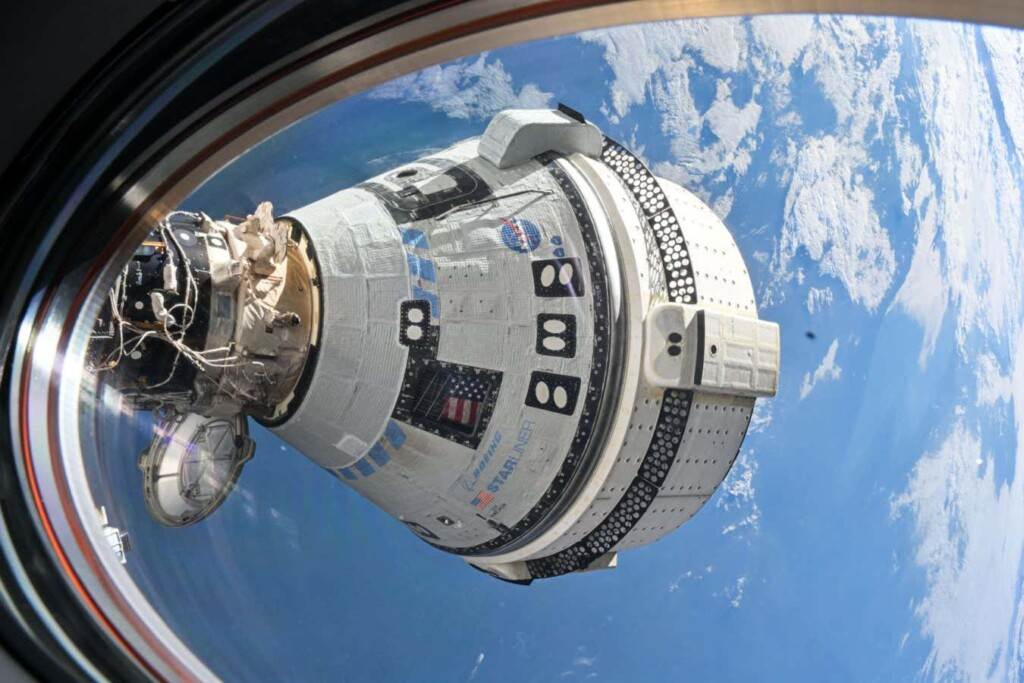
What are the weird noises coming from Boeing’s Starliner capsule?
In the realm of space exploration, every unexpected event aboard a spacecraft captures the attention of experts and enthusiasts alike. Recently, two astronauts aboard the International Space Station (ISS) reported hearing unusual noises coming from Boeing’s Starliner capsule. The capsule, which transported astronauts Butch Wilmore and Sunita Williams to the ISS, has been under scrutiny due to previous technical challenges. This article explores the nature of the mysterious sounds, the possible sources behind them, expert opinions, and the broader context of spacecraft audio systems and their complexities.
Background: Boeing's Starliner Capsule and Its ISS Mission
Boeing’s CST-100 Starliner capsule is a key element in NASA’s Commercial Crew Program, designed to ferry astronauts to and from the International Space Station. The capsule aims to provide reliable, safe transportation, reducing reliance on Russian Soyuz vehicles. On June 5, the Starliner successfully carried astronauts Butch Wilmore and Sunita Williams to the ISS, marking a significant milestone for Boeing and NASA alike.
However, the mission has faced several technical hurdles, including thruster malfunctions and helium leaks, which have delayed the capsule’s planned return journey. These issues have extended the astronauts’ stay aboard the ISS until at least February, underscoring the challenges of maintaining spacecraft systems in the harsh environment of space.
Against this backdrop, the emergence of strange noises emanating from the Starliner capsule has drawn concern and curiosity from mission control, aerospace experts, and the public. Understanding these noises is critical to ensuring crew safety and the operational integrity of the spacecraft.
Description of the Weird Noises Heard by Astronauts
On August 31, astronaut Butch Wilmore communicated with mission control, reporting a strange, regular pulsing noise coming through the Starliner’s internal speaker system. The sound was described as an intermittent, somewhat jumpy pulse that neither Wilmore nor Sunita Williams could identify. This prompted mission control to initiate an investigation into the source of the noise.
The nature of the sound was unusual enough to spark interest beyond NASA’s internal teams. Space enthusiasts recorded the communication and shared it widely, leading to speculation within the space community about its origin. Despite the noise’s persistence, neither astronaut expressed immediate concern, indicating that the sound did not interfere with their operations or safety.
The timing and characteristics of the noise, appearing only within the Starliner’s audio systems and not elsewhere on the ISS, suggested a localized issue rather than an external environmental factor. This observation directed the focus of investigations toward the capsule’s internal electronics and audio configuration.
NASA’s Official Explanation and Resolution
After thorough analysis, NASA provided an official statement explaining the cause of the noise. The agency attributed the sound to audio feedback within the complex interconnectivity of the ISS and Starliner communication systems. The space station’s audio setup is designed to link multiple spacecraft and modules, which can occasionally produce feedback loops or noise artifacts.
NASA emphasized that this audio feedback had no technical impact on the spacecraft’s systems or the crew’s safety. The feedback ceased following adjustments to the audio configuration between the ISS and Starliner, indicating it was a manageable software or hardware interaction rather than a critical hardware fault.
This explanation reassured the space community and mission stakeholders that the noises were a benign byproduct of the station’s interconnected communications, rather than a symptom of a deeper technical issue within the Starliner capsule itself.
Expert Insights on Possible Causes of the Noises
Aerospace experts and academics have weighed in on the phenomenon, offering hypotheses grounded in their understanding of spacecraft systems. Martin Barstow, a professor from the University of Leicester, noted that the regular pulsing noise could stem from electronic interference within the audio system, suggesting a need to audit the microphones and audio inputs onboard to isolate the source.
Jonathan Aitken from the University of Sheffield dismissed theories involving external sonar interference, explaining that sound waves cannot travel through the vacuum of space, making it impossible for external sources to generate such noises within the capsule. Instead, he proposed that the problem likely involves a single speaker or the communication system’s internal wiring.
Phil Metzger, a former NASA Swamp Works researcher, highlighted electromagnetic interference (EMI) as a common culprit behind unexplained audio noises in spacecraft. He shared that EMI can infiltrate audio cables through loose connections or shielding failures, causing feedback or buzzing sounds similar to those reported on Starliner.
The Complexity of Spacecraft Audio Systems
Audio systems aboard spacecraft like the ISS and Starliner are highly complex, designed to support communication across multiple modules, spacecraft, and control centers. These systems must operate flawlessly in a challenging environment where electromagnetic interference is prevalent due to numerous electronic devices functioning simultaneously.
The interconnected nature of these systems means that audio signals can sometimes loop back or interfere with each other, producing feedback noises or echoes. This complexity requires meticulous configuration and constant monitoring to prevent and resolve such issues promptly.
Additionally, the physical constraints of spacecraft—such as limited space for cabling and shielding—can exacerbate susceptibility to EMI and other audio anomalies. Engineers must balance these constraints with the need for reliable communication, making audio troubleshooting a nuanced task.
Implications for Crew Safety and Mission Operations
Despite the presence of unusual noises, NASA confirmed that the Starliner capsule’s operational safety and the crew’s wellbeing were not compromised. The astronauts aboard the ISS continued their mission without disruption, and the noise did not interfere with critical communication or control systems.
However, any unexplained anomaly in a spacecraft demands attention, as it could potentially indicate underlying hardware issues or system vulnerabilities. NASA’s proactive investigation and swift resolution of the audio feedback reflect the agency’s commitment to maintaining the highest safety standards.
Looking ahead, the incident underscores the importance of rigorous system checks and real-time monitoring, especially for spacecraft with upcoming missions. Lessons learned from such occurrences can inform design improvements and operational protocols to minimize future anomalies.
Future Outlook: Starliner’s Return and Ongoing Monitoring
The Boeing Starliner capsule is scheduled to return to Earth uncrewed on September 6, following an extended stay docked at the ISS. Given that no astronauts will be onboard during the return flight, the urgency to resolve the audio noise issue has diminished, though NASA remains vigilant in monitoring the spacecraft’s systems.
Continued analysis of the audio feedback and related system performance will provide valuable data for Boeing and NASA. This information will contribute to refining the Starliner’s design and operational procedures, enhancing reliability for future crewed missions.
Moreover, the incident highlights the evolving nature of space missions, where unexpected challenges arise and must be managed with technical expertise and adaptability. The Starliner’s experience will serve as a case study in addressing minor anomalies without compromising mission success.
Public and Community Reactions to the Starliner Noises
The curious noises from the Starliner capsule captured the imagination of the public and space enthusiasts worldwide, leading to lively discussions on social media and forums. Many speculated on the origins of the sounds, with some suggesting exotic causes like sonar interference, despite scientific implausibility.
This episode illustrates the high level of public interest in space missions and the importance of transparent communication from agencies like NASA. Prompt explanations help to quell misinformation and maintain confidence in ongoing space exploration efforts.
Ultimately, the incident fostered engagement and curiosity, reminding the public that space missions involve complex technology and occasional surprises. It also showcased the professionalism of astronauts and mission control in managing unexpected situations calmly and effectively.
Conclusion
The mysterious noises emanating from Boeing’s Starliner capsule aboard the ISS sparked intrigue and concern but were ultimately traced to benign audio feedback within the station’s complex communication network. This incident highlights the intricate challenges of managing spacecraft systems in space and the constant vigilance required to ensure crew safety and mission success. While the noises posed no immediate threat, their investigation offers valuable insights for future spacecraft design and operations. As Starliner prepares for its uncrewed return, the episode stands as a testament to the resilience and adaptability of space exploration teams in navigating unforeseen anomalies.
Originally reported by newscientist.com. Adapted for our readers.
Recent advances in machine perfusion technology are not only preserving donated livers but also making them biologically younger at a molecular level. This breakthrough…
What happens when human imagination, artificial intelligence, art and technology come together? From September 1 to 6, Samsung Electronics presented a special exhibition themed…