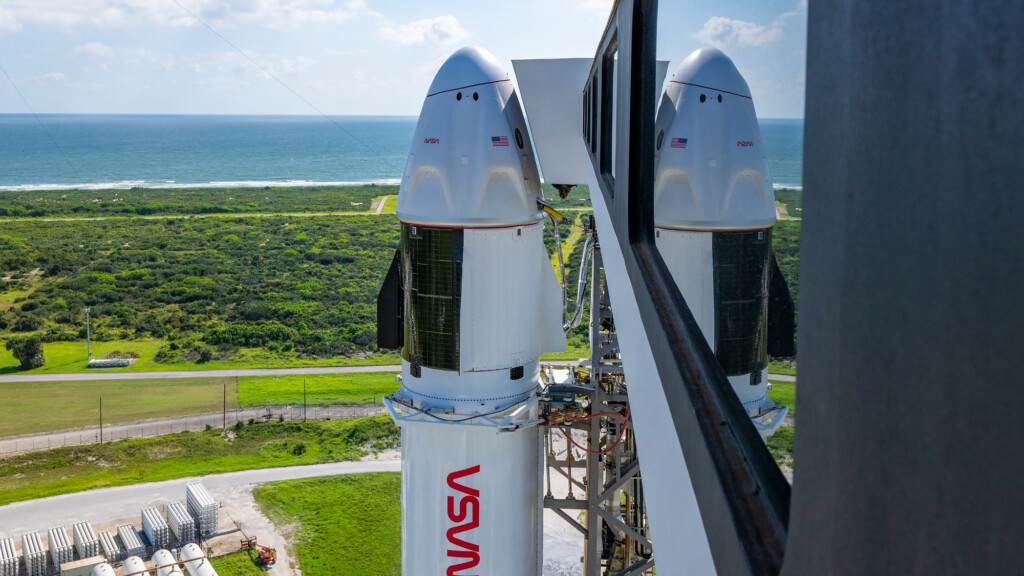
Tropical Storm Helene delays SpaceX’s Crew-9 astronaut launch to Sept. 28
Space exploration is a venture that blends cutting-edge technology with the unpredictability of natural forces. The upcoming SpaceX Crew-9 mission, tasked with ferrying astronauts to the International Space Station (ISS), was initially slated for liftoff on September 26, 2024. However, the emergence of Tropical Storm Helene, intensifying as it moves toward Florida's Gulf Coast, has forced NASA and SpaceX to delay the launch. This article delves into the details surrounding this delay, its implications for the mission and astronauts, and the broader context of weather-related challenges in spaceflight operations.
Overview of the SpaceX Crew-9 Mission
The Crew-9 mission represents a significant chapter in NASA’s ongoing partnership with SpaceX under the Commercial Crew Program. The mission will deploy a Falcon 9 rocket carrying the Crew Dragon capsule, named Freedom, from Cape Canaveral Space Force Station in Florida. This flight marks the ninth operational crewed mission by SpaceX to the ISS, continuing the company’s role in transporting astronauts to and from the orbiting laboratory.
Aboard the Crew Dragon Freedom, NASA astronaut Nick Hague and Russian cosmonaut Aleksandr Gorbunov will journey to the ISS, where they will conduct scientific research and station maintenance over approximately five months. The mission also includes two additional astronauts, Suni Williams and Butch Wilmore, who currently reside on the ISS and will return to Earth aboard Crew-9, completing their extended stay in orbit.
This mission underscores SpaceX’s pivotal role in commercial spaceflight, demonstrating the reliability of its Falcon 9 rocket and Crew Dragon spacecraft. The Crew-9 flight continues to build on SpaceX’s legacy of innovation, contributing to NASA’s objective of maintaining a continuous human presence on the ISS.
The Impact of Tropical Storm Helene on Launch Plans
Tropical Storm Helene emerged as a formidable weather system in the Gulf of Mexico, rapidly gaining strength and threatening the Florida coastline with hurricane-force winds and heavy rainfall. Initially a tropical storm, Helene was forecasted to escalate into a Category 3 hurricane by the time it reached the Florida Panhandle, posing significant risks to launch operations at Cape Canaveral.
NASA and SpaceX closely monitor weather conditions as a critical factor in launch decision-making. The size and intensity of Helene mean that even regions on Florida’s east coast, including Cape Canaveral and Merritt Island, could experience high winds and heavy precipitation, conditions unsuitable for a safe rocket launch.
In response, the mission team prudently delayed the Crew-9 launch from September 26 to at least September 28. This delay allows time for the storm to pass and ensures the safety of personnel, equipment, and the astronauts aboard the Crew Dragon capsule.
Launch Site Preparations and Contingency Measures
Ahead of the anticipated storm impact, SpaceX rolled out the Falcon 9 rocket and Crew Dragon Freedom capsule to the launch pad for final rehearsals and checks. These activities are essential for validating systems and ensuring mission readiness. However, once these rehearsals concluded, the rocket and capsule were carefully rolled back to the hangar to protect them from potential storm damage.
The decision to move the launch vehicle back to the hangar reflects standard safety protocols for adverse weather events. Such precautions prevent exposure to high winds and heavy rain, which could compromise the integrity of the spacecraft or delay the mission further if damage occurred.
Mission teams continue to monitor the storm’s trajectory and intensity closely, maintaining flexibility in scheduling to accommodate any further weather-related changes. This adaptive approach exemplifies the complex logistics and risk management inherent in spaceflight operations.
Astronaut Profiles and Mission Roles
NASA astronaut Nick Hague brings extensive experience in spaceflight to the Crew-9 mission. Having previously flown to the ISS, Hague’s expertise in extravehicular activities and station operations is invaluable for the upcoming expedition. Russian cosmonaut Aleksandr Gorbunov complements the crew with his own training and experience, highlighting international cooperation aboard the ISS.
Suni Williams and Butch Wilmore, who will return to Earth on Crew-9, have had an extended stay on the ISS due to the unexpected extension of their mission. Originally intended to last about ten days aboard Boeing’s Starliner spacecraft, their time in orbit was prolonged after Starliner encountered thruster issues, necessitating an uncrewed return to Earth.
The presence of Williams and Wilmore on the Crew-9 flight underscores NASA’s commitment to astronaut safety and mission flexibility. Their return aboard SpaceX’s reliable Crew Dragon capsule ensures a secure journey home after nearly eight months in space.
Weather Challenges in Space Launch Operations
Weather has historically been one of the most significant variables affecting space launch schedules. From high winds and lightning to rain and cloud cover, adverse weather conditions can jeopardize rocket integrity, astronaut safety, and mission success. Consequently, launch decisions incorporate rigorous weather assessments to identify safe launch windows.
Tropical storms and hurricanes present particularly complex challenges due to their size, unpredictability, and potential for rapid intensification. Launch sites along the U.S. eastern seaboard and Gulf Coast must remain vigilant during hurricane season, often adjusting schedules to avoid storm impacts.
The delay of the Crew-9 launch due to Tropical Storm Helene exemplifies how natural forces can influence even the most carefully planned space missions. It also highlights the importance of contingency planning and real-time monitoring in ensuring that space exploration proceeds safely.
SpaceX’s Role in NASA’s Commercial Crew Program
Since 2020, SpaceX has been a cornerstone partner for NASA’s Commercial Crew Program, providing reliable crew transportation services to the ISS. The Crew Dragon spacecraft, launched atop Falcon 9 rockets, has revolutionized access to low Earth orbit by combining reusability, safety, and cost-effectiveness.
The Crew-9 mission continues this collaboration, marking the ninth operational crewed flight under the program. SpaceX’s success has restored U.S.-based human spaceflight capabilities, reducing reliance on foreign launch providers and enhancing NASA’s autonomy in crew transport.
Alongside Boeing’s Starliner capsule, SpaceX competes to provide safe and efficient ISS crew missions. However, recent technical challenges with Starliner have put SpaceX at the forefront of NASA’s current human spaceflight efforts, making the timely and successful launch of Crew-9 all the more critical.
Future Outlook for Crew Missions and Space Exploration
The Crew-9 mission’s delay is a reminder of the dynamic nature of spaceflight and the need for adaptability. As NASA and commercial partners plan future missions, including Artemis lunar expeditions and deeper space exploration, weather considerations will remain a key factor in operational planning.
Technological advances in weather forecasting and launch infrastructure resilience could mitigate some weather-related delays in the future. Meanwhile, the growing experience of commercial companies like SpaceX in managing complex missions enhances the robustness of human spaceflight programs.
Looking beyond Crew-9, the continued success of commercial crew missions serves as a foundation for expanding human presence in space. Each mission contributes valuable lessons and capabilities that pave the way for more ambitious endeavors beyond Earth orbit.
Conclusion
The postponement of SpaceX’s Crew-9 astronaut launch due to Tropical Storm Helene underscores the intricate balance between advanced technology and natural forces in space exploration. While delays can be disappointing, prioritizing safety for astronauts and equipment remains paramount. As the storm moves past and preparations resume, the Crew-9 mission stands as a testament to human ingenuity and adaptability. This episode also highlights the continued evolution of commercial spaceflight partnerships, which are essential for sustaining and expanding humanity’s presence in space. With the new launch date set for September 28, anticipation builds for another successful journey to the International Space Station.
Originally reported by space.com. Adapted for our readers.
Recent advances in machine perfusion technology are not only preserving donated livers but also making them biologically younger at a molecular level. This breakthrough…
What happens when human imagination, artificial intelligence, art and technology come together? From September 1 to 6, Samsung Electronics presented a special exhibition themed…