Tinubu Commissions Lithium Processing Plant, Space To Invent Nigeria Electrical Automobile Battery Manufacturing Hub Of Africa
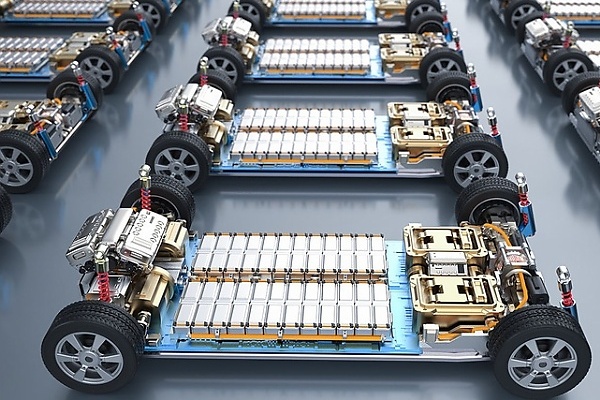
In a significant move to diversify Nigeria’s economy and capitalize on the global transition to renewable energy, President Bola Tinubu has commissioned a state-of-the-art lithium processing plant in Nasarawa State. This $200 million investment signals Nigeria’s commitment to becoming Africa’s premier hub for solar panel and electric vehicle (EV) battery manufacturing. With the world rapidly shifting towards clean energy technologies, Nigeria’s abundant lithium reserves and youthful workforce present an unparalleled opportunity to dominate the continent’s renewable energy market. This article explores the implications of this development, the partnerships involved, and the future prospects for Nigeria’s emerging green energy industry.
The Strategic Inauguration of the Lithium Processing Plant in Nasarawa
The inauguration of the lithium processing plant in Nasarawa by President Bola Tinubu marks a landmark achievement in Nigeria’s industrial landscape. Valued at $200 million, the facility is designed to process lithium, a critical raw material for the production of batteries used in electric vehicles and renewable energy storage systems. This plant is not only a testament to Nigeria’s mineral potential but also a catalyst for industrial growth in the region.
Governor Abdullahi Sule of Nasarawa State highlighted the plant’s impressive capacity and economic impact, noting that it is poised to generate a turnover of $500 million. The facility’s establishment reflects a strong collaboration between the Nigerian government and Chinese investors, including Avatar New Energy Materials Co. Ltd and Canmax Technologies, who bring expertise in lithium processing and battery material manufacturing.
The plant’s operational capacity of 4,000 metric tonnes per day positions Nasarawa as a significant player in the global lithium supply chain. This infrastructure investment is expected to stimulate local economies, create thousands of jobs, and foster technological transfer, thereby enhancing Nigeria’s industrial capabilities.
President Tinubu’s Vision for Nigeria as Africa’s Solar Panel and EV Battery Manufacturing Hub
President Tinubu envisions Nigeria as the continent’s leading hub for solar panel and electric vehicle battery production, a goal aligned with the global push for clean energy technologies. During the inauguration ceremony, he emphasized the country’s competitive advantages, such as affordable labor, a growing pool of skilled youth, and a robust economic framework conducive to industrial innovation.
Highlighting Nigeria’s vast mineral wealth, the President called on investors to integrate environmental protection, community engagement, and corporate social responsibility into their operations. He stressed the importance of sustainable mining practices that preserve local communities while maximizing economic benefits.
Tinubu’s administration is actively fostering an enabling environment for green technology investments, aiming to capture both African and global markets. By leveraging Nigeria’s natural resources and human capital, the government seeks to transform the nation into a manufacturing powerhouse for solar panels and EV batteries, driving economic diversification and sustainable development.
Collaborations with Chinese Investors: Avatar New Energy Materials and Canmax Technologies
A cornerstone of the lithium plant’s success is the partnership between Nigeria and leading Chinese firms Avatar New Energy Materials Co. Ltd and Canmax Technologies. Avatar New Energy Materials is renowned for its expertise in lithium processing, operating the newly commissioned facility in Nasarawa with a capacity of 4,000 metric tonnes per day.
Canmax Technologies, accounting for over 30% of the global battery material manufacturing market, has committed an additional $200 million investment to establish another lithium processing plant in Nasarawa. Their involvement underscores the strategic importance of Nigeria in the global battery supply chain.
Chinese executives have pledged to adhere strictly to mining regulations and prioritize corporate social responsibility. Their commitments include sustainable resource extraction, environmental stewardship, and community development initiatives, ensuring that their investments yield long-term benefits for Nigeria.
Economic and Employment Impact of the Lithium Processing Industry
The lithium processing industry is poised to become a major economic driver for Nasarawa State and Nigeria at large. With an estimated turnover of $500 million, the sector promises substantial revenue generation through exports and local sales. This influx of capital will stimulate ancillary industries and enhance Nigeria’s position in global supply chains.
Employment opportunities will expand significantly, with thousands of direct and indirect jobs created in mining, processing, manufacturing, and logistics. The emphasis on employing Nigeria’s youthful and skilled workforce will help reduce unemployment and foster skill development in high-tech sectors.
Furthermore, the lithium industry’s growth is expected to attract further foreign direct investments and technological partnerships, contributing to sustainable industrialization and economic diversification away from oil dependency.
Nigeria’s Renewable Energy Potential and Market Prospects
Africa’s growing demand for renewable energy technologies, especially solar panels and EV batteries, presents a lucrative market opportunity for Nigeria. The continent’s abundant sunlight and increasing focus on clean energy infrastructure make solar technology a critical sector for development.
President Tinubu highlighted the continent’s potential as a key consumer of solar panels and batteries, advocating for local production to meet this demand. Producing these technologies domestically will reduce import dependency, lower costs, and stimulate innovation within Nigeria.
By positioning itself as a manufacturing hub, Nigeria aims to serve both African and international markets, capitalizing on the rising global shift towards electric vehicles and sustainable energy solutions.
Sustainable Mining Practices and Community Engagement
Sustainability remains central to Nigeria’s lithium industry development. President Tinubu urged investors to prioritize environmental protection and community welfare to avoid the pitfalls of resource exploitation seen in other mining regions. Responsible mining practices will ensure the preservation of ecosystems and long-term resource availability.
Community engagement is also a key focus, with companies expected to invest in social infrastructure, education, and health services for host communities. This approach fosters goodwill, social stability, and shared prosperity, which are vital for the industry’s success.
Corporate social responsibility initiatives by Chinese investors, including environmental safeguards and community development programs, demonstrate a commitment to ethical business practices that align with Nigeria’s national interests.
Government Support and Future Prospects for Nigeria’s Green Industry
The Nigerian government under President Tinubu is providing robust support to the lithium and renewable energy sectors through policy frameworks, incentives, and infrastructure development. This supportive environment encourages both local and foreign investments, ensuring sustained growth.
Initiatives include improving regulatory transparency, facilitating access to finance, and promoting research and development in green technologies. The government’s engagement with stakeholders reflects a strategic vision to embed Nigeria deeply in the global clean energy transition.
Looking ahead, the lithium processing plant in Nasarawa is expected to be the first of many such projects, paving the way for Nigeria to become a continental leader in electrical automobile battery manufacturing and solar panel production, thereby contributing significantly to Africa’s sustainable industrial future.
Conclusion
The commissioning of the lithium processing plant in Nasarawa by President Bola Tinubu is a transformative milestone for Nigeria’s industrial and renewable energy sectors. By forging strategic partnerships, prioritizing sustainable practices, and leveraging its mineral wealth and human capital, Nigeria is well on its way to becoming Africa’s leading hub for solar panel and electric vehicle battery manufacturing. This development not only promises substantial economic and employment benefits but also aligns Nigeria with global trends towards clean energy and environmental sustainability. With continued government support and responsible investment, Nigeria’s green industry is poised to drive the continent’s energy revolution and secure a prosperous, sustainable future.
Originally reported by autojosh.com. Adapted for our readers.
Author of the article: Published Sep 18, 2026 11 minute read Article content Kyndryl Canada has been engaged to deliver a commercialization strategy and…
The National Agency for Science and Engineering Infrastructure (NASENI) on Friday 4th September 2026, marked three years of institutional transformation under its Executive Vice…
Municipal Administration Minister P. Narayana speaks to residents after laying the foundation stone for the slum redevelopment project at Velampeta, near Lakshmi Nagar in…