The Download: training robots for unfamiliar environments, and all-new bird flu
As technology and health challenges evolve rapidly, two stories stand out this season: the development of AI models enabling robots to operate effectively in unfamiliar environments, and the emergence of a new bird flu strain raising concerns for public health. Understanding these advances and risks is crucial for anticipating how they may shape our daily lives—from the homes we live in to the health precautions we take.
Teaching Robots to Adapt: A Leap Toward Versatile Automation
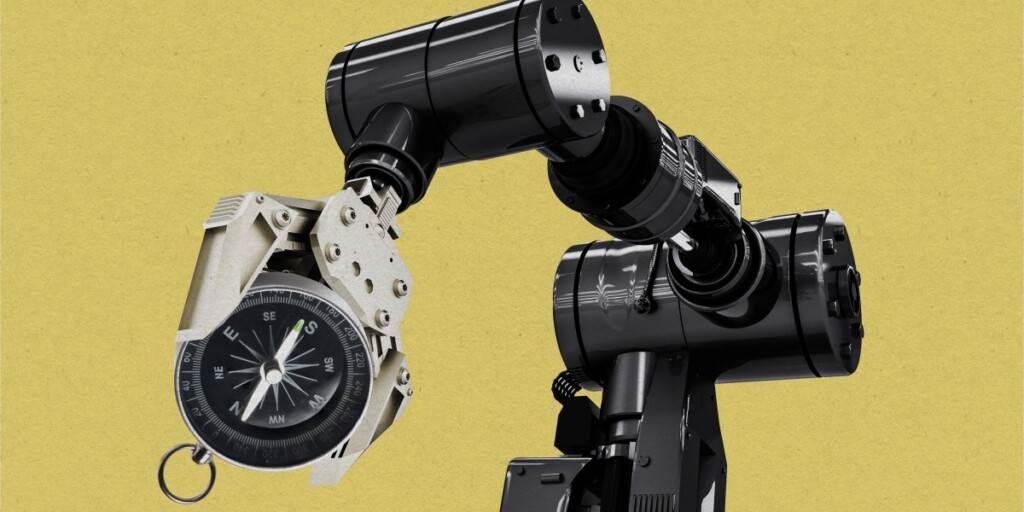
Robots traditionally require extensive retraining to perform tasks in new settings, limiting their flexibility and increasing deployment costs. However, a recent breakthrough in artificial intelligence has introduced a set of models known as robot utility models (RUMs). These models empower robots to carry out fundamental tasks such as opening doors and drawers, and picking up various objects like tissues, bags, and cylindrical items, even in environments they have never encountered before.
The significance of this innovation lies in its ability to achieve a 90% success rate across five distinct tasks without additional training or fine-tuning. This contrasts sharply with previous approaches that demanded new data and retraining for each novel context. By enabling robots to generalize their skills, these AI models can dramatically reduce the time and expense associated with preparing robots for real-world applications.
The broader implications are promising: as robots become more adaptable, their integration into domestic and commercial spaces could accelerate. This advancement may pave the way for more widespread use of robots in homes, assisting with everyday chores and improving quality of life. Additionally, industries relying on automation could benefit from more flexible and cost-effective robotic solutions.
The Emerging Bird Flu Threat: What the Flu Season Could Bring
As the Northern Hemisphere transitions into flu season, health authorities are emphasizing the importance of vaccination, especially in light of recent developments involving the H5N1 bird flu strain. This strain has notably spread among cattle populations, prompting the Centers for Disease Control and Prevention (CDC) in the United States to issue targeted recommendations for dairy farm workers.
The concern extends beyond protecting individuals from seasonal influenza. Experts warn that the interaction between human and animal flu viruses could potentially lead to the emergence of a new flu variant with pandemic potential. While such an event has not occurred yet, the increasing possibility underscores the need for vigilance and preventive measures.
The CDC’s guidance aims to mitigate risks by encouraging vaccination among those most exposed to animal carriers of the virus, thereby reducing the chance of viral mutation and transmission. This approach reflects a broader strategy to safeguard public health by addressing zoonotic threats at their source.
Interconnected Challenges: Technology, Health, and Society
The advances in robotics and the evolving flu threat illustrate the complex interplay between technology, health, and societal readiness. On one hand, the development of adaptable robots showcases how AI can enhance human environments and daily living. On the other hand, emerging infectious diseases remind us of the persistent vulnerabilities in public health systems.
Moreover, these stories highlight the importance of proactive measures. For robotics, this means continued research to refine AI models that can handle diverse, real-world scenarios without extensive retraining. For health, it means adhering to vaccination recommendations and monitoring zoonotic diseases closely to prevent outbreaks.
Both domains also raise questions about accessibility and equity. As robotic technology becomes more capable, ensuring it is affordable and beneficial across different communities will be critical. Similarly, equitable access to vaccines and healthcare resources remains a cornerstone of effective disease prevention.
Additional Technology and Health Updates to Watch
Beyond these headline stories, several other developments merit attention. The rapid melting of the Doomsday Glacier poses significant risks for global sea levels, underscoring the urgency of climate interventions. In the digital realm, concerns about privacy have intensified following revelations that major social media companies engaged in extensive user data harvesting, prompting regulatory scrutiny.
Cybersecurity challenges continue as well, exemplified by recent issues with Apple's Mac update disrupting security tools. Meanwhile, the European Union's AI Act faces lobbying efforts from tech companies seeking lighter regulations, reflecting ongoing debates about balancing innovation and oversight.
In materials science, researchers emphasize the need to focus on battery components beyond cathodes to improve energy storage. Environmental health concerns also persist, with microplastics infiltrating ecosystems and potentially affecting immune systems, highlighting the need for sustainable alternatives.
Lastly, consumer technology trends, such as the limited effectiveness of blue light glasses compared to simple screen breaks, and incidents involving delivery robots causing accidents, remind us of the evolving relationship between humans and machines.
What this means
The convergence of technological innovation and emerging health threats this season offers both challenges and opportunities. The development of robot utility models marks a significant step toward more versatile and accessible automation, promising to enhance daily life and industrial processes. Simultaneously, the emergence of a new bird flu strain calls for heightened vigilance and preventive action to protect public health. Navigating these developments requires a balanced approach that embraces innovation while addressing risks and ensuring equitable access. By staying informed and responsive, society can harness the benefits of these advances while safeguarding against potential harms.
Originally reported by technologyreview.com. Adapted for our readers with AI assistance.
Author of the article: Published Sep 18, 2026 11 minute read Article content Kyndryl Canada has been engaged to deliver a commercialization strategy and…
The National Agency for Science and Engineering Infrastructure (NASENI) on Friday 4th September 2026, marked three years of institutional transformation under its Executive Vice…
Municipal Administration Minister P. Narayana speaks to residents after laying the foundation stone for the slum redevelopment project at Velampeta, near Lakshmi Nagar in…