
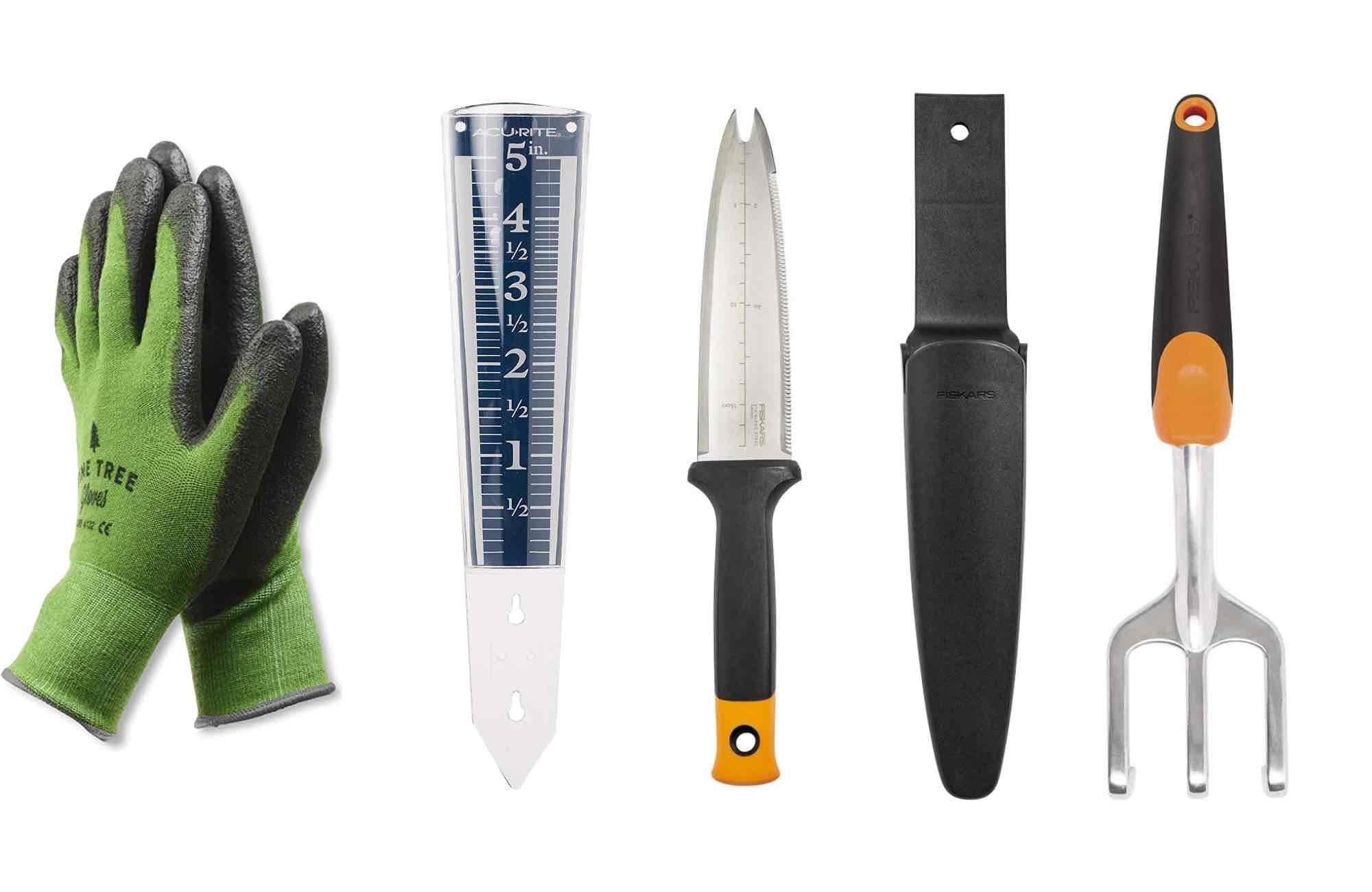
Gardening continues to gain popularity as a rewarding and therapeutic hobby, and with 2026 fast approaching, the market for garden tools is evolving to meet new demands. Whether you are a seasoned gardener or just starting, having the right tools can make all the difference in your garden's health and your overall experience. This practical buying guide explores the best garden tools for 2026, focusing on innovation, ergonomics, and sustainability to help you make informed purchasing decisions. From traditional hand tools to smart garden technology, we cover everything you need to cultivate your green space effectively.
Ergonomic Hand Tools: Comfort Meets Efficiency
Ergonomic hand tools have become a must-have in 2026 as gardeners prioritize comfort alongside functionality. These tools are designed to reduce strain on your hands and wrists, allowing for longer gardening sessions without discomfort. Look for features such as cushioned grips, angled handles, and lightweight materials that promote natural hand positioning.
Popular ergonomic tools include trowels, pruners, and weeders that incorporate non-slip grips and shock-absorbing handles. These designs help prevent repetitive strain injuries, especially for gardeners with arthritis or joint sensitivities. Investing in ergonomic hand tools not only improves comfort but also enhances precision and control during delicate tasks.
When selecting ergonomic tools, consider the material quality and balance. Stainless steel blades resist rust and maintain sharpness, while handles made from composite materials offer durability without added weight. Testing the tool’s feel before purchase can ensure it matches your hand size and gardening style.
Electric and Battery-Powered Tools: Power and Convenience
Electric and battery-powered garden tools have surged in popularity due to their efficiency and ease of use. In 2026, advancements in battery technology mean longer runtimes and faster charging, making cordless tools more practical for all garden sizes. Tools like electric lawn mowers, hedge trimmers, and leaf blowers reduce manual effort and save time.
When choosing battery-powered tools, consider the voltage and battery type. Lithium-ion batteries are preferred for their lightweight nature and longevity. Additionally, many brands now offer interchangeable batteries compatible across multiple tools, providing cost savings and convenience.
Electric tools also contribute to eco-friendly gardening by reducing reliance on gas-powered equipment that emits pollutants. For those prioritizing sustainability, electric tools offer a quieter and cleaner alternative without compromising performance.
Smart Garden Tools: Integrating Technology with Nature
The rise of smart garden tools in 2026 is transforming traditional gardening practices. These tools incorporate sensors, connectivity, and automation to optimize plant care and garden maintenance. Examples include smart irrigation systems, soil moisture sensors, and robotic lawn mowers that navigate your garden autonomously.
Smart irrigation systems monitor soil moisture levels and weather forecasts to adjust watering schedules automatically, conserving water and promoting healthier plants. Some systems can be controlled via smartphone apps, allowing gardeners to manage their gardens remotely.
Robotic mowers equipped with GPS and obstacle sensors offer convenient lawn care without manual labor. Integration with smart home ecosystems adds another layer of control, enabling gardeners to schedule and monitor their tools seamlessly. As smart technology becomes more affordable, it is an excellent investment for tech-savvy gardeners.
Sustainable and Eco-Friendly Tools: Green Choices for the Environment
Sustainability is a key consideration for gardeners in 2026, influencing the choice of tools and materials. Eco-friendly garden tools are made from recycled or renewable materials and designed for durability to reduce waste. Bamboo handles, recycled steel, and biodegradable packaging are common features in sustainable tool options.
Manual tools that do not require batteries or electricity, such as hand pruners and scythes, are also favored for their minimal environmental impact. They encourage a more mindful approach to gardening and reduce carbon footprints.
In addition to materials, look for brands committed to ethical manufacturing practices and offering repair services or replacement parts. Choosing sustainable garden tools supports environmental stewardship and aligns with the growing trend of conscious consumerism.
Essential Garden Tools for Every Gardener
Regardless of experience level, every gardener needs a set of essential tools to maintain a healthy garden. These typically include a quality trowel, pruning shears, a garden fork, and a sturdy spade. Selecting durable versions of these basics ensures longevity and reliable performance.
Pruning shears are indispensable for shaping plants and removing dead or diseased branches. Look for models with sharp, replaceable blades and comfortable grips. A garden fork helps aerate soil and remove weeds, while a spade is perfect for digging and edging.
Additional essentials may include a watering can with adjustable spouts, a kneeling pad for comfort during ground work, and a garden hose with a reliable nozzle. Building a foundational toolkit tailored to your garden’s needs sets the stage for successful cultivation.
Specialized Tools for Niche Gardening Tasks
For gardeners with specific interests such as bonsai cultivation, vegetable gardening, or flower arranging, specialized tools enhance precision and care. Bonsai tools, for example, include fine scissors and wire cutters designed for delicate pruning and shaping.
Vegetable gardeners benefit from tools like seed planters, soil testers, and harvesting knives that streamline planting and crop collection. These tools improve efficiency and promote healthy growth by addressing the unique requirements of edible plants.
Flower gardeners may invest in floral scissors, bulb planters, and grafting knives to support propagation and arrangement. Identifying your gardening focus allows you to select specialized tools that elevate your craft and yield impressive results.
Maintenance and Storage Tips for Longevity
Proper maintenance and storage of garden tools are crucial to ensure they remain effective and last for years. After each use, clean tools thoroughly by removing dirt and plant residue. Dry them completely to prevent rust and corrosion, especially for metal parts.
Sharpen blades regularly to maintain cutting efficiency and reduce damage to plants. Lubricate moving parts with oil to keep mechanisms smooth and prevent wear. Inspect tools for damage or loose handles and perform repairs promptly to avoid accidents.
Store tools in a dry, sheltered location such as a shed or garage. Use racks or pegboards to organize and prevent clutter, ensuring tools are easily accessible. Investing time in maintenance protects your tools’ functionality and your gardening investment.
Where to Buy the Best Garden Tools in 2026
In 2026, garden tools are widely available through various retail channels, including specialty garden centers, big-box home improvement stores, and online marketplaces. Specialty stores often provide expert advice and higher-quality selections tailored for gardening enthusiasts.
Online shopping offers convenience and access to a broader range of brands and models. Many e-commerce platforms feature customer reviews and detailed product descriptions to help make informed decisions. Look for sellers with good return policies and warranties for peace of mind.
Consider local nurseries and co-ops that support community businesses and may offer unique, locally made tools. Attending gardening expos and trade shows can also provide opportunities to test tools firsthand and discover the latest innovations.
Conclusion
Choosing the best garden tools for 2026 involves balancing innovation, comfort, sustainability, and practicality. Whether upgrading your toolkit with ergonomic hand tools, embracing smart technology, or investing in eco-friendly options, the right tools can transform your gardening experience. Keep in mind the importance of maintenance and storage to preserve your investments. By understanding your specific gardening needs and exploring the diverse options available, you can equip yourself with tools that foster a thriving, beautiful garden for years to come.