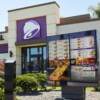
Taco Bell is the latest food company to bring AI to drive-thrus
In an era where technology continues to reshape industries, the fast-food sector is embracing artificial intelligence (AI) to streamline operations and elevate customer experiences. Taco Bell, a leading fast-food chain, is the latest company to integrate AI-powered voice assistants in its drive-thrus. This innovation promises to reduce wait times, increase order accuracy, and ease the workload of employees. As Taco Bell embarks on this ambitious journey, it joins a growing list of food companies leveraging AI to transform how customers interact with their favorite restaurants. This article delves into Taco Bell's AI drive-thru initiative, its potential impact, and the challenges it may face.
The Emergence of AI in Fast-Food Drive-Thrus
Artificial intelligence has been steadily gaining traction in various sectors, and the fast-food industry is no exception. Drive-thrus, a staple of quick-service restaurants, have become a prime area for AI integration due to their high volume and need for speed and accuracy. AI-powered voice assistants can take orders, customize meals, and process payments, all while maintaining a consistent and efficient customer interaction.
Several fast-food giants have experimented with AI in their drive-thrus. McDonald’s, for instance, piloted AI voice technology to enhance order accuracy and reduce wait times but encountered challenges such as misinterpretation of accents and order errors. These early trials have provided valuable insights into the capabilities and limitations of AI in real-world environments.
Taco Bell’s recent announcement to test Voice AI technology in over 100 U.S. locations marks a significant step forward. By expanding to hundreds more by the end of the year, Taco Bell is signaling its commitment to harnessing AI to improve operational efficiency and customer satisfaction. This move reflects a broader industry trend toward embracing technological innovation to stay competitive.
How Taco Bell’s Voice AI Technology Works
Taco Bell’s Voice AI system is designed to interact with customers in the drive-thru, taking orders through natural language processing and machine learning algorithms. The technology can understand various accents and dialects, adjust to different speech patterns, and handle complex order customizations, which are common in fast-food requests.
The AI assistant listens to customers’ orders, confirms selections to reduce misunderstandings, and communicates directly with kitchen staff to ensure timely preparation. This streamlines the ordering process, reducing the need for human intervention and minimizing errors that can occur during busy hours.
Additionally, the AI system collects data on ordering trends and customer preferences, enabling Taco Bell to optimize menu offerings and operational workflows. By leveraging this data, Taco Bell can tailor marketing strategies and improve inventory management, ultimately enhancing profitability and customer satisfaction.
Benefits of Implementing AI in Drive-Thrus
One of the foremost advantages of AI-powered drive-thrus is the potential to ease the workload on human employees. By automating order taking, staff can focus on food preparation and customer service inside the restaurant, leading to better overall efficiency and a more pleasant customer experience.
Improved order accuracy is another critical benefit. AI systems reduce errors caused by misheard orders or human fatigue, which can lead to dissatisfied customers and wasted food. Consistent and accurate order processing helps build customer trust and loyalty.
Furthermore, AI can significantly reduce wait times during peak hours. Faster order processing means more cars served in less time, increasing sales volume and profitability. The technology also provides a consistent and friendly interaction, which can enhance brand perception and customer satisfaction.
Challenges and Limitations of AI Drive-Thrus
While AI offers many benefits, it is not without challenges. One key issue is the technology’s ability to accurately interpret diverse accents, dialects, and speech nuances. Misunderstandings can lead to incorrect orders, frustrating customers and potentially causing operational disruptions.
Technical glitches and system failures can also impact the customer experience negatively. For example, early AI implementations at other chains, such as McDonald’s, faced issues with order misinterpretations and unexpected responses, leading to temporary pauses in their AI programs.
Privacy concerns and customer acceptance also play a role. Some customers may feel uncomfortable interacting with AI instead of human staff, and data security must be prioritized to protect sensitive customer information collected during transactions.
Taco Bell’s Strategic Vision for AI Expansion
Taco Bell’s parent company, Yum! Brands, envisions a future where Voice AI technology is not limited to the U.S. but expanded globally across its various brands, including KFC and Pizza Hut. This strategy aims to create a unified, technology-driven customer experience worldwide.
By investing in AI, Yum! Brands is positioning itself at the forefront of fast-food innovation. The company believes that AI can drive profitable growth by enhancing operational efficiency and meeting evolving consumer expectations for speed and convenience.
Moreover, the company is committed to continuously improving the AI system through data insights and customer feedback. This iterative approach ensures that the technology adapts to real-world challenges and delivers tangible benefits to both customers and franchisees.
Customer Experience and Feedback on AI Drive-Thrus
Initial customer reactions to AI in drive-thrus have been mixed. While many appreciate the faster service and novelty of interacting with AI, others express frustration when the system fails to understand their orders or preferences accurately.
Social media platforms have highlighted both successes and mishaps, with some customers sharing humorous or inconvenient experiences, such as receiving incorrect items or exaggerated orders. These anecdotes underscore the importance of refining AI technology to handle diverse customer interactions smoothly.
Taco Bell is actively monitoring feedback to address concerns and improve the system’s responsiveness. Customer education about the AI process and its benefits is also essential to foster acceptance and trust in this new ordering method.
The Future of AI in Fast-Food Service
The integration of AI in fast-food drive-thrus is part of a broader trend toward automation and digital transformation in the restaurant industry. Beyond voice assistants, AI can support inventory management, predictive analytics, and personalized marketing, creating a more efficient and customer-centric ecosystem.
As AI technology matures, its capabilities will expand, potentially enabling fully automated drive-thrus with minimal human intervention. This could revolutionize the fast-food experience by combining speed, accuracy, and personalization at scale.
However, the industry must balance technological advancements with human elements to maintain customer satisfaction and address ethical concerns related to job displacement and data privacy. Collaboration between technology providers, restaurants, and customers will be crucial to shaping a sustainable future.
Conclusion
Taco Bell’s adoption of AI-powered Voice Assistants in its drive-thrus is a significant milestone in the fast-food industry’s digital evolution. By leveraging cutting-edge technology, Taco Bell aims to enhance operational efficiency, improve order accuracy, and deliver a consistent customer experience. Although challenges remain, particularly in AI interpretation and customer acceptance, the potential benefits are substantial. As Yum! Brands continues to expand this initiative globally, AI is poised to become an integral part of fast-food service, shaping a future where convenience and technology go hand in hand. The success of this transition will depend on ongoing innovation, responsiveness to customer feedback, and a balanced approach to technology and human interaction.
Recent advances in machine perfusion technology are not only preserving donated livers but also making them biologically younger at a molecular level. This breakthrough…
What happens when human imagination, artificial intelligence, art and technology come together? From September 1 to 6, Samsung Electronics presented a special exhibition themed…