
NASA's Artemis program aims to reignite human exploration of the Moon, with the Artemis 3 mission targeting a historic crewed lunar landing by 2027. Central to this endeavor is SpaceX's Human Landing System (HLS) variant of Starship, designed specifically for lunar operations. Despite recent setbacks in Starship testing and broader program challenges, SpaceX President Gwynne Shotwell has publicly assured NASA Administrator Sean Duffy that the HLS remains on track for the ambitious timeline. This article explores the details behind this assurance, the mission architecture, and the critical milestones leading to humanity's next giant leap.
Overview of the Artemis 3 Mission and Its Objectives
Artemis 3 represents NASA's planned first crewed lunar landing in over five decades, aiming to touch down near the Moon's south polar region. This mission intends to deliver two astronauts to the lunar surface for an approximately one-week stay, facilitating scientific research and exploration in an area rich with water ice deposits.
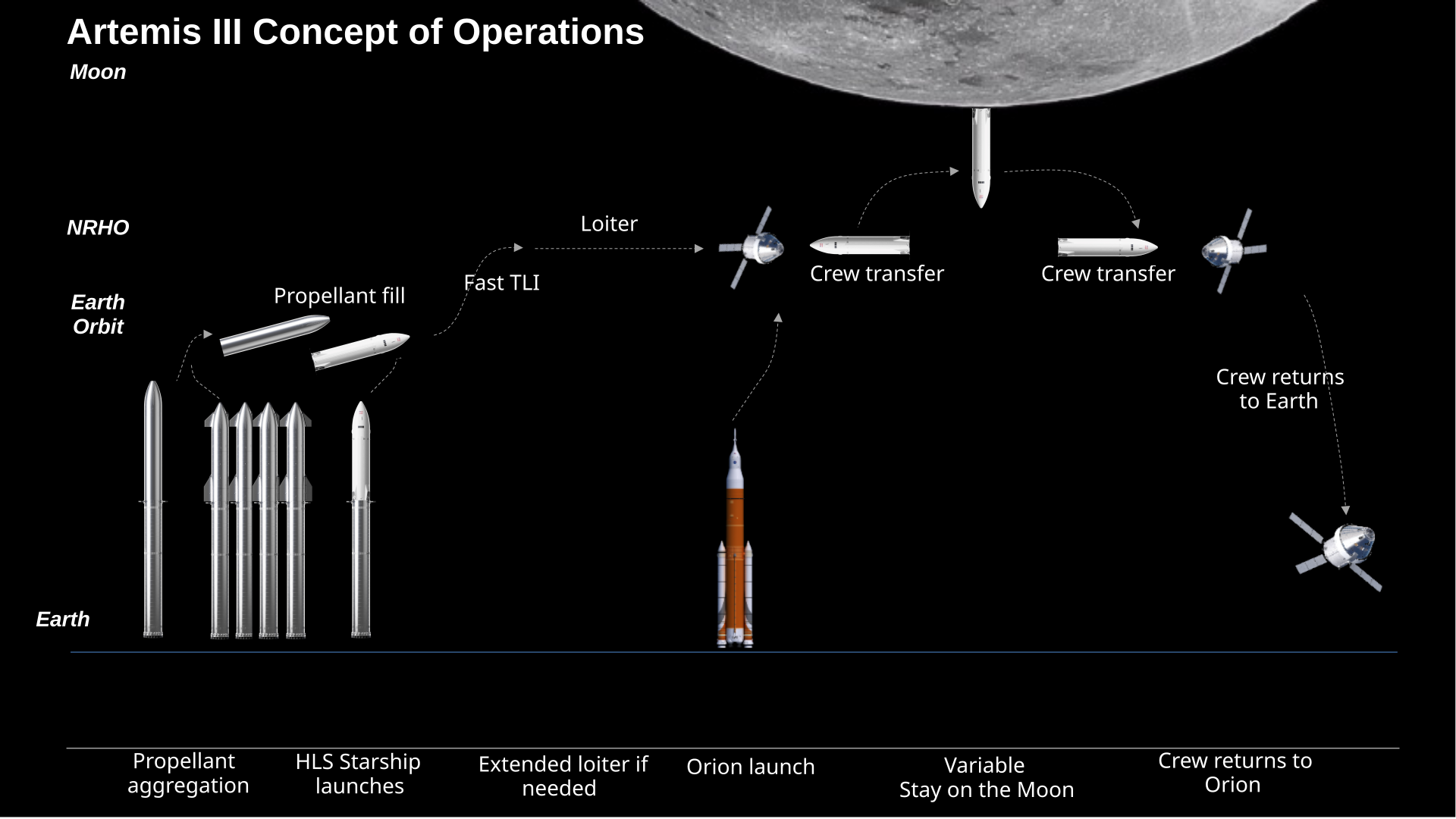
The mission architecture involves launching astronauts aboard the Orion spacecraft atop NASA's Space Launch System (SLS) rocket. After trans-lunar injection, Orion will rendezvous and dock with the SpaceX Starship HLS residing in near-rectilinear halo orbit (NRHO) around the Moon, which will then ferry the crew to the surface and back.
Achieving Artemis 3's goals is pivotal not only for lunar exploration but also as a stepping stone for future missions to Mars. The emphasis on the Moon's south pole is strategic, given its potential resources and unique environment, which offers opportunities to test technologies for sustainable human presence beyond Earth.
SpaceX Starship HLS: Design and Mission Role
SpaceX's Human Landing System variant of Starship, often called Lunar Starship, is a specialized adaptation of the larger Starship vehicle designed for the unique challenges of lunar descent and ascent. Unlike the Earth-orbiting Starship, the HLS lacks aerodynamic surfaces such as flaps and heat shields, optimizing it for vacuum operations.
The Lunar Starship is planned to launch on a Super Heavy booster and will undergo orbital refueling through tanker flights, a critical technology demonstration for in-space propellant transfer. This refueling allows the HLS to reach lunar orbit with sufficient fuel to land and return the astronauts safely.
Once docked with Orion in NRHO, the HLS will transport the crew to the Moon’s surface, enabling a mission duration of roughly 6.5 days. The vehicle is designed to support multiple moonwalks and provide a safe ascent back to lunar orbit, where the crew will transfer back to Orion for their journey home.
Gwynne Shotwell’s Assurance Amidst Challenges
Despite the recent explosion of Starship serial 37 and other test flight setbacks, SpaceX President Gwynne Shotwell has confidently assured NASA leadership that the Starship HLS remains on schedule to support the Artemis 3 mission in 2027. This public commitment underscores SpaceX's dedication to meeting NASA's demanding timelines.
Shotwell’s assurances come at a time when NASA is closely monitoring the progress of Starship’s development, given the critical role it plays in lunar landing capabilities. The company continues to conduct iterative test flights and advance key technologies such as in-orbit refueling and lunar landing precision.
This confidence from SpaceX leadership is essential to maintain momentum within the Artemis program, especially as NASA prepares for the preceding Artemis 2 mission, a crewed lunar flyby set for April 2026, which will validate Orion and SLS systems before lunar landing attempts.
NASA’s Artemis Program: Critical Milestones and Dependencies
The Artemis program’s success hinges on several interdependent components, including the Space Launch System, Orion crew capsule, and the Human Landing System. Artemis 2, scheduled for no later than April 2026, will perform a crewed lunar flyby to demonstrate Orion’s deep space capabilities, serving as a vital precursor to Artemis 3.
Any delays in the production or integration of SLS or Orion could indirectly affect Artemis 3’s timeline. For example, Orion’s heat shield, which has faced engineering challenges, must be fully qualified to ensure crew safety during re-entry from lunar distances.
Additionally, the HLS must pass rigorous design reviews and testing milestones, including uncrewed lunar landing and ascent demonstration flights, as well as crew module environmental and life support system tests. These steps are crucial to validate the vehicle’s readiness for human missions.
Technical Challenges and Solutions in Starship HLS Development
Starship HLS development involves overcoming significant technical hurdles, such as perfecting in-orbit propellant transfer technology. This capability is critical because the HLS requires multiple tanker flights to fill its fuel depot in Earth orbit before departing for the Moon.
The vehicle must also demonstrate flawless performance in lunar orbit operations, including rendezvous and docking with Orion, precise lunar descent, surface operations, and ascent back to orbit. Each phase demands rigorous testing to ensure reliability and crew safety.
Infrastructure development near Kennedy Space Center is underway to support HLS launches by late 2026. This includes adapting launch pads to accommodate the Super Heavy booster and Starship stacks, as well as integration facilities designed for rapid vehicle turnaround and fueling.
NASA Administrator Sean Duffy’s Perspective and Future Plans
NASA Administrator Sean Duffy has acknowledged concerns regarding recent Starship failures but remains optimistic about the partnership with SpaceX. He highlights the importance of continued iterative testing and learning to mature the Starship system for lunar missions.
Duffy has also emphasized broader lunar exploration goals, including plans to deploy a nuclear fission reactor on the Moon’s surface by 2030. This development aims to provide sustained power for lunar bases, enabling longer-term human presence and scientific activities.
The Artemis program is thus seen as a multi-faceted campaign, integrating advanced propulsion, landing systems, and surface infrastructure to establish a sustainable exploration framework. The collaboration with commercial partners like SpaceX is central to achieving these ambitious objectives.
Implications of Artemis 3 and Starship HLS for Future Space Exploration
The successful deployment of Starship HLS on Artemis 3 would mark a historic achievement, demonstrating commercial capability in deep space human landing systems. This milestone could pave the way for more frequent, cost-effective lunar missions and serve as a blueprint for Mars exploration vehicles.
By leveraging reusable spacecraft technology and in-orbit refueling, SpaceX aims to significantly reduce the cost per mission, enabling NASA and other agencies to expand their scientific and exploratory reach beyond Earth orbit.
Furthermore, Artemis 3’s focus on the lunar south pole will yield valuable insights into resource utilization, habitat design, and long-duration human operations on another celestial body, all critical knowledge for future interplanetary travel.
Looking Ahead: The Road to the Moon in 2027
As the Artemis program progresses toward the 2027 lunar landing, the collaboration between NASA and SpaceX remains pivotal. Continuous testing, refinement, and validation of the Starship HLS will be essential to meet the mission’s timeline and safety requirements.
Stakeholders are closely watching the outcomes of Artemis 2 and ongoing Starship test flights, which will inform final mission readiness assessments. Successful completion of these milestones will build confidence in the program’s ability to achieve its ambitious goals.
Ultimately, the Artemis 3 mission represents not just a return to the Moon but a new era of human space exploration, driven by innovation, partnership, and a shared vision of expanding humanity’s presence in the solar system.
Conclusion
The assurance from SpaceX’s Gwynne Shotwell that the Starship Human Landing System remains on schedule for the Artemis 3 mission provides a strong vote of confidence for NASA’s lunar ambitions. While technical challenges and testing setbacks have tested the program’s resilience, the collaborative efforts between NASA and SpaceX continue to advance critical technologies and infrastructure. As Artemis 2 prepares to validate the Orion and SLS systems, the focus intensifies on ensuring Starship HLS is fully ready for its historic role. The 2027 Moon landing will not only symbolize a return to lunar exploration but also herald a new chapter of sustainable human presence beyond Earth, driven by innovation and partnership.