
AI Trends & News
Surface Laptop Ultra Pre-orders Open: Price, Release Date and AI Features
Microsoft opens Surface Laptop Ultra pre-orders from US$2,599.99. Explore its launch date, NVIDIA RTX Spark features and implications for Nigerian businesses.
TAMFIS NIG LTDRC 8067447CAC ACTIVEFinima, Bonny Island, Rivers State

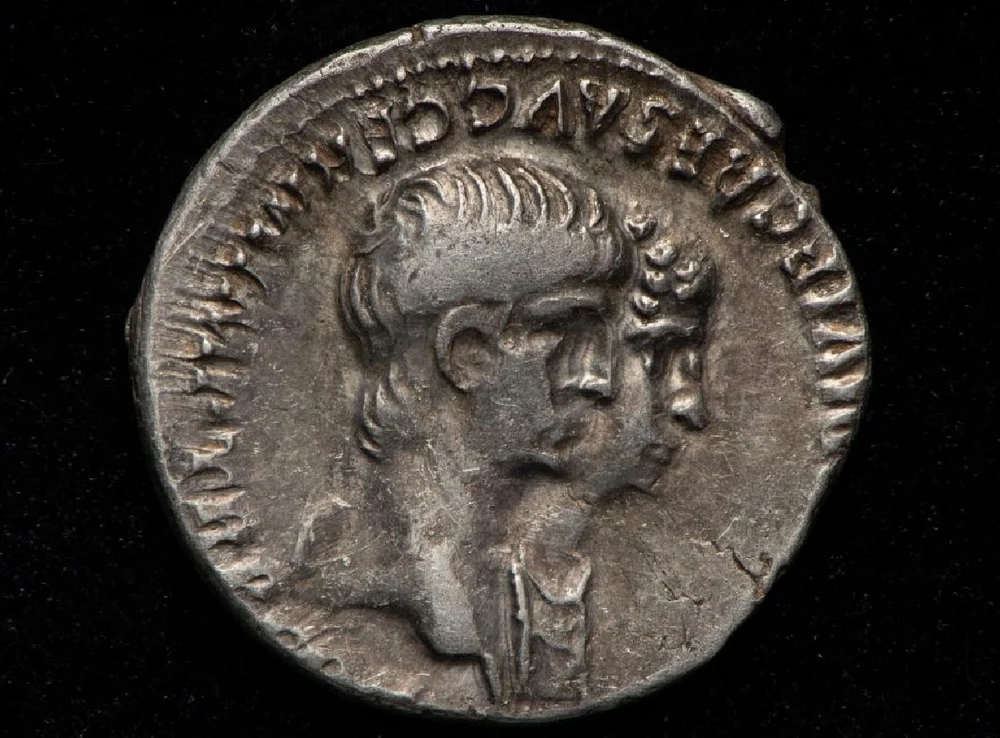
In an extraordinary archaeological find, over 1,300 silver coins from the time of Emperor Nero were discovered by chance in a buried pot in Worcestershire, England. This treasure trove, predominantly composed of silver denarii, offers invaluable insight into the Roman Empire’s presence and influence in Britain during a period marked by military campaigns, tribal unrest, and political upheaval. The coins, dating from as early as 157 BC up to around 55 AD, provide a tangible connection to the Roman efforts to consolidate control over the British Isles during Nero’s tumultuous reign. This article explores the historical context, discovery, significance, and future prospects of this fascinating hoard.
The period during which these coins were buried, approximately 55 AD, corresponds with the early years of Emperor Nero’s reign, a time when the Roman Empire was intensifying its efforts to dominate Britain. Nero ascended to power in 54 AD, inheriting an empire that was expanding but facing significant resistance in its new territories, including Britain.
Before Nero, Emperor Claudius had launched the initial invasion of Britain in 43 AD, successfully establishing Roman control over much of southern England. However, the conquest was far from complete, as native tribes such as the Iceni continued to resist Roman rule fiercely. This resistance would culminate in the famous Boudica rebellion around 60 AD, a major uprising that nearly expelled the Romans from the island.
Nero’s reign was marked by both internal and external challenges. While dealing with unrest in Britain, he also faced political instability within Rome, including the deaths of close family members and the devastating Great Fire of Rome in 64 AD. Understanding the political and military climate during Nero’s rule helps contextualize why such a large cache of coins might have been buried in Worcestershire.
The treasure was found by a metal detector enthusiast in Worcestershire, a county situated near the western frontier of Roman Britain. The hoard was contained within a pot and included 1,368 coins, predominantly silver denarii, with a single gold coin among them. The discovery was unexpected and has since attracted significant scholarly attention.
The find spot is significant because Worcestershire was located near the boundary of Roman-controlled territory during the mid-1st century, an area characterized by military activity and cultural exchange between Romans and local tribes. The coins’ presence here suggests active Roman economic influence and possibly the presence of Roman military forces or allied local elites.
Following the discovery at the end of 2023, the coins were carefully analyzed and authenticated in early 2024. Museums Worcestershire officially declared the hoard as ‘treasure,’ a legal designation in the UK reserved for precious metal objects over 300 years old. This classification protects the find and opens up avenues for its preservation and public display.
The vast majority of the coins are silver denarii, the standard currency of the Roman Empire during this era. Most of these coins were minted between 157 BC and 55 AD, spanning a significant period that reflects the long-standing use of denarii in Roman economic systems. The presence of older coins alongside newer ones indicates the circulation of currency over decades before burial.
Notably, among the silver coins lies a single gold coin, minted between 20 and 45 AD. This coin adds a layer of complexity to the hoard, as gold coins were rarer and often associated with higher-status transactions or individuals. Its presence may hint at the wealth or connections of the hoard’s owner.
The diversity in minting dates suggests that the coins may have been accumulated over time, possibly through trade, military pay, or local economic activities. Museums Worcestershire has suggested that the treasure likely entered the region via the Roman army, which was instrumental in the empire’s expansion and consolidation in Britain.
The exact reasons for burying such a substantial amount of wealth remain unknown, but scholars have proposed several theories. One prevailing hypothesis is that the treasure belonged to a wealthy local farmer or landowner who accrued riches by supplying goods or services to the Roman and allied military forces stationed nearby.
Given Worcestershire’s position on the empire’s frontier, it is plausible that local elites sought to safeguard their wealth during times of instability. The mid-1st century was rife with conflicts, including the famous Boudica rebellion, which could have prompted individuals to hide valuables for protection against theft or confiscation.
Alternatively, the hoard might represent a form of emergency savings, intended to be retrieved later but abandoned due to unforeseen circumstances such as death or displacement. The fact that the pot was never recovered by its owner provides a tantalizing glimpse into the uncertain and often dangerous realities of life on the Roman frontier.
This discovery enriches our understanding of Roman Britain, particularly the economic and military interactions between Romans and native tribes. The coins offer physical evidence of Roman monetary circulation far beyond the empire’s heartland, illustrating the reach of Roman influence during Nero’s reign.
Moreover, the hoard underscores the complexity of frontier life in Roman Britain. It highlights the coexistence of Roman and indigenous cultures, the economic opportunities presented by the empire’s expansion, and the persistent threats posed by rebellions and regional conflicts.
By studying the coins and their context, historians and archaeologists can better reconstruct trade networks, military logistics, and local responses to Roman rule. Such finds contribute to a more nuanced narrative of Britain’s integration into the Roman world and the challenges faced by both conquerors and the conquered.
Once the hoard was declared treasure by Museums Worcestershire, it gained legal protection under UK law, ensuring that it cannot be sold or exported without proper authorization. This status helps preserve the coins as part of the public heritage and allows museums to acquire and display them for educational purposes.
The hoard has been valued at approximately £100,000 (around $123,100), reflecting both its material worth and its cultural and historical significance. This valuation is crucial for fundraising efforts aimed at securing the treasure for local museums and public collections.
The museum has launched a fundraising campaign to purchase the hoard, which has received enthusiastic support from the local community and history enthusiasts alike. Preserving the treasure in Worcestershire ensures that the region’s rich Roman heritage remains accessible and celebrated.
The discovery opens numerous avenues for further academic research, including metallurgical analysis of the coins, detailed study of their inscriptions and iconography, and investigation into the pot and burial context. Such research can offer deeper insights into Roman minting practices and local economic conditions.
Public engagement is also a key focus, with plans to exhibit the coins in Museums Worcestershire and possibly create educational programs that highlight Roman Britain’s history. This find provides a tangible connection to the past that can inspire community interest and tourism.
Additionally, the hoard may prompt new archaeological surveys in Worcestershire and surrounding areas to uncover further evidence of Roman activity. Each new find contributes to a richer understanding of how the Roman Empire operated on its fringes and the legacy it left behind.
The accidental discovery of over 1,300 silver coins from Emperor Nero’s era in Worcestershire offers a rare and compelling glimpse into the dynamics of Roman Britain during a pivotal historical moment. This hoard not only reflects the economic realities and military presence on the Roman frontier but also embodies the uncertainties faced by those living under Roman expansion. As the treasure awaits its permanent home in local museums, it promises to deepen our knowledge of the Roman Empire’s reach and the resilient cultures it encountered. Continued research and public engagement will ensure that this remarkable find enriches both scholarly understanding and community heritage for years to come.
Originally reported by historia.ro. Adapted for our readers.
Keep reading
AI Trends & News
Microsoft opens Surface Laptop Ultra pre-orders from US$2,599.99. Explore its launch date, NVIDIA RTX Spark features and implications for Nigerian businesses.
Science & Technology
DJI’s IBC recognition puts pocket gimbal and panoramic capture in the spotlight. Here is how creators can assess framing, editing effort and recording workflows.
Business News
App store steering is about more than permission to add a link. Explore fees, renewal terms, customer experience and the UK consultation.
TAMFIS NIG LTD
Electrical and instrumentation engineering, bid preparation and consulting, IT and software.

