New Technology Could Replace Space Suit Diapers for Astronauts
For decades, astronauts have confronted the challenge of managing bodily waste during extravehicular activities (EVAs) and transit in space. The long-standing solution has been the use of Maximum Absorbency Garments (MAGs), essentially adult diapers designed to absorb urine and feces. While effective for short missions, these garments have limitations, including discomfort, leakage, and health risks such as urinary tract infections. As space agencies plan longer missions to the Moon, Mars, and beyond, the need for advanced waste management systems has become critical. Recently, a team of engineers at Cornell University introduced a groundbreaking technology that not only replaces traditional space suit diapers but also transforms urine into potable water, offering a sustainable and healthier alternative for astronauts.
The Limitations of Traditional Space Suit Diapers
Since the late 1970s, NASA astronauts have relied on Maximum Absorbency Garments (MAGs) during spacewalks and transit. These multi-layered adult diapers contain superabsorbent polymers designed to trap urine and feces. While MAGs have served their purpose effectively for short durations, they present significant drawbacks, especially for longer missions.
Astronauts have reported discomfort, skin irritation, and even health issues such as urinary tract infections and gastrointestinal distress due to prolonged use of MAGs. Leakage incidents, although infrequent, have also been a concern, compromising both hygiene and mission safety. Moreover, the psychological discomfort associated with wearing diapers in space adds to the challenges astronauts face during EVAs.
As space exploration ambitions extend to longer lunar missions and crewed voyages to Mars, the limitations of MAGs become increasingly apparent. The need for a more hygienic, comfortable, and sustainable waste management solution has driven researchers and engineers to innovate beyond traditional methods.
A team of engineers at Cornell University has developed a novel waste management system designed to replace space suit diapers by collecting and filtering urine in real-time. This technology offers a healthier, more comfortable, and sustainable alternative for astronauts during spacewalks and transit.
The system incorporates a fitted silicone cup that covers the astronaut’s genitals to collect urine. This cup is integrated into a multi-layered, flexible undergarment made from a nylon-spandex blend. The fabric wicks moisture away from the skin, reducing irritation and ensuring the astronaut remains dry and comfortable.
Once urine is collected in the cup, a moisture sensor activates a pump that draws the liquid through an external catheter into a filtration system. This approach prevents direct contact with waste and significantly reduces the risk of infections and skin problems compared to traditional MAGs.
From Waste to Resource: Urine Filtration and Recycling
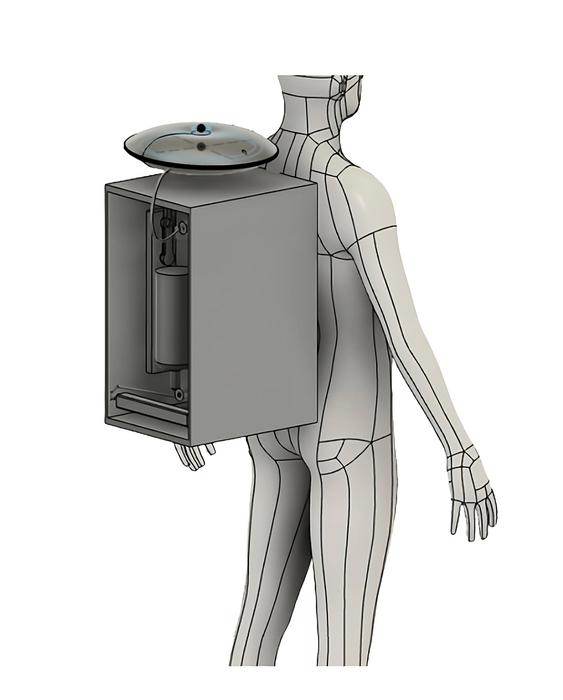
One of the most remarkable features of the new system is its ability to transform urine into drinkable water using advanced filtration technology. The collected urine is pumped into a high-tech backpack housing a reverse osmosis filtration system.
Reverse osmosis removes water molecules from the urine, separating them from salts and impurities. Subsequently, a specialized pump extracts salts from the water, purifying it to meet strict safety standards. The filtered water is then enriched with essential electrolytes to replenish the astronaut’s hydration needs.
This closed-loop recycling process not only improves astronaut health and comfort but also reduces the mass and volume of water that must be carried on missions. By recycling urine into potable water, the system enhances mission sustainability and efficiency, especially for long-duration space exploration.
Design and Functionality of the New System
The system’s design centers on comfort, hygiene, and ease of use during spacewalks. The fitted silicone cup is held securely in place by an undergarment engineered from flexible, breathable fabric layers that provide both support and moisture management.
A moisture sensor embedded in the cup detects urine presence and automatically triggers the pump to transfer the liquid to the filtration unit. This automation minimizes astronaut intervention, allowing them to focus on mission tasks without distraction.
The filtration backpack is compact and integrates seamlessly with existing space suit designs. It is engineered to operate efficiently under microgravity conditions, ensuring reliable performance during EVAs. The entire process of collecting and purifying 500 milliliters of urine takes approximately five minutes, demonstrating the system’s rapid functionality.
Health Benefits and Enhanced Comfort for Astronauts
By eliminating prolonged skin contact with urine and feces, the new system significantly reduces the risk of urinary tract infections and skin irritations that have historically plagued astronauts using MAGs. The moisture-wicking fabric further protects skin integrity during extended wear.
Comfort improvements are expected to boost astronaut morale and performance during demanding EVAs. The system’s ergonomic design allows for better mobility and less bulk compared to traditional diapers, reducing physical strain.
Importantly, the ability to recycle urine into drinking water ensures astronauts remain adequately hydrated, supporting physiological functions and cognitive performance. This hydration capability addresses a critical limitation of current space suits, which only provide about one liter of water in in-suit drink bags.
Implications for Future Space Missions
As space agencies plan ambitious missions such as Artemis II to the Moon and crewed expeditions to Mars in the 2030s, advanced waste management systems become essential for mission success. The new technology offers a practical solution to the challenges posed by long-duration EVAs and transit periods.
Reducing the need to carry large volumes of water and managing waste effectively will lower mission costs and logistical complexities. This innovation aligns with sustainability goals by minimizing waste storage and transport requirements, critical factors for deep space exploration.
Moreover, successful implementation of this system could set a new standard for astronaut health protocols and suit design, influencing future spacesuit development and mission planning.
Testing and Development Roadmap
Before deployment in actual space missions, the system will undergo rigorous testing in simulated microgravity environments to validate its functionality and safety. These tests are crucial because microgravity significantly affects fluid behavior and system performance.
Following successful simulations, the technology will be evaluated during real EVAs to assess usability, reliability, and astronaut feedback. Iterative design improvements will be made based on these trials to optimize performance.
The development team emphasizes collaboration with NASA and other space agencies to ensure the system meets stringent spaceflight standards and integrates smoothly with existing equipment. This phased approach aims to enable readiness for upcoming lunar and Mars missions.
Broader Impact and Potential Terrestrial Applications
While designed for space, the technology's principles could have valuable terrestrial applications. For example, the urine filtration and recycling system might benefit remote or resource-limited environments on Earth where clean water is scarce.
The moisture-wicking and sensor-activated collection system could inspire innovations in medical care, particularly for patients requiring incontinence management with improved hygiene and comfort.
Furthermore, this advancement underscores the potential for space technology to drive sustainable solutions on Earth, illustrating how space exploration continues to contribute to broader scientific and societal progress.
Conclusion
The development of a new waste management technology that replaces traditional space suit diapers marks a significant leap forward in astronaut health, comfort, and mission sustainability. By collecting, filtering, and recycling urine into potable water, this system addresses longstanding challenges associated with the Maximum Absorbency Garment. As human space exploration pushes further into deep space, such innovations are vital to ensuring crew safety and operational efficiency. Beyond spaceflight, the principles underlying this technology may yield valuable benefits on Earth, illustrating the profound impact of space research on everyday life. Continued testing and refinement will pave the way for its integration into future missions, setting a new standard for in-suit waste management and astronaut care.
Recent advances in machine perfusion technology are not only preserving donated livers but also making them biologically younger at a molecular level. This breakthrough…
What happens when human imagination, artificial intelligence, art and technology come together? From September 1 to 6, Samsung Electronics presented a special exhibition themed…