Neil Degrasse Tyson Is Biased Against SpaceX With His NASA Fanboying
Neil Degrasse Tyson, one of the most prominent astrophysicists and science communicators of our time, has long been a vocal advocate for NASA and its historic contributions to space exploration. However, his public statements sometimes reveal a clear bias favoring NASA, often at the expense of recognizing SpaceX’s groundbreaking innovations. This perceived partiality, or 'NASA fanboying,' has sparked debate among space enthusiasts and industry experts alike. In this article, we delve into Tyson’s views, contrasting them with the tangible advancements SpaceX has brought to the aerospace sector, particularly in terms of cost reduction, rapid reusability, and launch frequency. By unpacking these issues, we aim to provide a balanced perspective on why Tyson’s stance may overlook critical factors shaping modern spaceflight.
Neil Degrasse Tyson’s Enthusiasm for NASA: A Double-Edged Sword
Neil Degrasse Tyson’s admiration for NASA is well-known and often reflected in his public commentary. His appreciation for NASA’s historical achievements, such as the Apollo moon landings and the space shuttle program, is rooted in a genuine respect for the agency’s pioneering role in human spaceflight. This admiration, however, sometimes manifests as an uncritical endorsement that can blur objective analysis, especially when comparing NASA to emerging private companies like SpaceX.
Tyson’s public persona as an astrophysicist and science educator gives weight to his opinions. When he praises NASA’s approach and questions the viability of commercial space ventures, his words influence public perception significantly. Yet, this enthusiasm can lead to an unbalanced narrative that underestimates the disruptive impact of companies like SpaceX, which have introduced new paradigms in rocket reusability and cost efficiency.
Such bias is problematic because it risks undermining the broader conversation about the future of space exploration. While NASA’s legacy is undeniably important, the aerospace industry is evolving rapidly. Tyson’s partiality toward NASA may inadvertently hinder appreciation for innovative business models and engineering breakthroughs that are reshaping access to space.
SpaceX’s Revolutionary Advances in Rocket Reusability
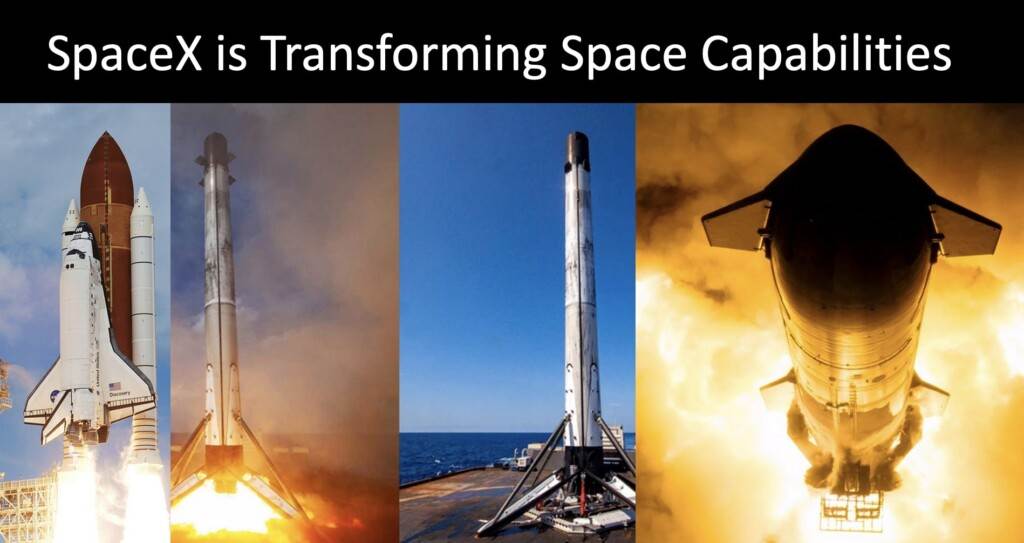
One of SpaceX’s most significant contributions to aerospace technology is its mastery of rapid rocket reusability. Unlike NASA’s space shuttle program, which required extensive refurbishment and recertification after each flight, SpaceX has developed the Falcon 9 Block 5 booster to be quickly turned around for multiple launches with minimal maintenance. This turnaround time has been reduced to as little as 21 days, with refurbishment work clocking in around 1,000 labor hours—orders of magnitude more efficient than the shuttle’s million-plus work hours.
Neil Degrasse Tyson has made claims suggesting that SpaceX’s reusability advances are simply iterations on existing NASA technologies or are unrealistic in terms of cost savings. However, the reality is starkly different. The space shuttle’s thermal protection system refurbishment was labor-intensive and costly, whereas SpaceX’s approach leverages robust design and operational efficiencies to slash turnaround times and costs dramatically.
This innovation not only lowers the cost per launch but also increases launch cadence, enabling SpaceX to conduct nearly 250 launches over two years, a volume unmatched by NASA’s shuttle program over two decades. Such achievements underscore SpaceX’s role as a transformative force in space transportation, a nuance that Tyson’s comments sometimes fail to acknowledge.
Cost Efficiency: SpaceX Versus NASA’s Shuttle Program
Cost efficiency remains a critical metric for assessing spaceflight progress. NASA’s space shuttle program, spanning over 135 missions, cost nearly $200 billion, averaging approximately $1.48 billion per launch. In contrast, SpaceX has conducted roughly 250 launches over just two years at a fraction of that cost, with expenditures around $10 billion, including profitable commercial ventures like the Starlink satellite constellation.
Tyson’s skepticism towards SpaceX’s financial and engineering claims often overlooks this stark contrast. His statements sometimes imply that SpaceX’s advances are marginal or that the company’s business model is unsustainable. However, SpaceX’s ability to halve or even further reduce launch costs, while maintaining high reliability and increasing launch frequency, marks a paradigm shift in aerospace economics.
Moreover, SpaceX’s integration of satellite internet services and commercial contracts has diversified its revenue streams, reducing dependence on government funding. This business model contrasts with NASA’s historically government-funded programs, highlighting the evolving landscape where private enterprise plays an increasingly pivotal role.
The Pitfalls of Comparing Rapid Reusability to Shuttle Refurbishment
A common point of contention in Tyson’s critiques involves conflating NASA’s shuttle refurbishment process with SpaceX’s rapid reusability model. The shuttle’s reusable components—orbiter, solid rocket boosters, and main engines—required months of intensive maintenance, with the orbiter’s thermal protection system alone demanding hundreds of thousands of work hours to refurbish. Post-flight recertification was extensive and costly.
SpaceX’s Falcon 9 boosters, by contrast, are designed for quick inspection and turnaround, with minimal refurbishment. The Block 5 version exemplifies this efficiency, requiring only days or weeks between flights. This difference is not merely incremental but transformational, enabling SpaceX to achieve launch cadences and cost reductions unattainable by shuttle-era technology.
Tyson’s occasional mischaracterizations of these processes suggest a lack of appreciation for the engineering and operational innovations underpinning rapid reusability. Recognizing the qualitative differences between the two approaches is essential to understanding why SpaceX’s model is a game-changer.
Launch Cadence and Operational Scale: SpaceX’s Unmatched Momentum
SpaceX’s operational tempo dwarfs that of NASA’s shuttle program. Over a 24-month period, SpaceX is projected to execute approximately 250 launches, roughly double the total shuttle launches over 20 years. This surge in launch cadence is facilitated by the company’s reusable rocket technology, streamlined manufacturing processes, and integrated business model encompassing satellite deployment and government contracts.
Neil Degrasse Tyson’s commentary sometimes downplays this operational scale, focusing instead on NASA’s historic milestones. While NASA’s achievements remain foundational, the current era demands recognition of companies that can sustain high-frequency, cost-effective launches to support burgeoning commercial and scientific space activities.
SpaceX’s ability to maintain this momentum reflects not only technical prowess but also a strategic vision that aligns with market demands. This operational scale is critical for enabling ambitious projects, including Mars colonization and global broadband coverage, illustrating the company’s impact beyond mere engineering feats.
The Importance of Objective Analysis in Space Advocacy
As a public science communicator, Neil Degrasse Tyson wields considerable influence over public opinion on space exploration. This role carries the responsibility of presenting balanced, fact-based perspectives that foster informed discourse. Bias toward any single agency, whether NASA or SpaceX, risks distorting public understanding and policy support.
Objective analysis requires acknowledging both NASA’s historic contributions and the disruptive innovations introduced by private companies. NASA’s extensive experience and scientific missions complement SpaceX’s commercial agility and technological breakthroughs. Recognizing this synergy is vital for advancing space exploration holistically.
Tyson’s occasional dismissiveness toward SpaceX undermines this balanced narrative. Advocates must strive to evaluate achievements on merit, embracing the complementary roles of government agencies and commercial enterprises in pushing the boundaries of human spaceflight.
The Future of Space Exploration: Collaboration Over Competition
The future of space exploration hinges on collaboration between public agencies like NASA and private companies such as SpaceX. NASA’s Artemis program, aimed at returning humans to the Moon, relies heavily on SpaceX’s Starship vehicle for lunar landings, exemplifying this interdependence. Such partnerships leverage NASA’s expertise and regulatory framework alongside SpaceX’s innovation and cost efficiency.
Neil Degrasse Tyson’s fanboying of NASA, if unchecked, risks promoting a zero-sum view of space progress. Instead, embracing the complementary strengths of both sectors is essential for tackling complex challenges like Mars colonization, deep space missions, and sustainable space infrastructure.
Encouraging open-minded discourse about these collaborative dynamics can inspire broader support for ambitious space initiatives. This requires moving beyond entrenched biases and appreciating the multifaceted nature of modern aerospace development.
Reassessing Public Figures’ Roles in Shaping Space Narratives
Public figures like Neil Degrasse Tyson shape not only public perception but also the priorities of policymakers and funding agencies. Their endorsements and criticisms carry weight, influencing which projects gain visibility and support. As such, their narratives must be grounded in comprehensive understanding and fairness.
Tyson’s NASA-centric perspective, while rooted in respect for an iconic institution, sometimes sidelines emerging players who are redefining space access. This imbalance can skew public debate, potentially slowing adoption of innovative technologies critical for sustainable space exploration.
A more nuanced approach would involve highlighting the strengths and challenges of both NASA and commercial firms, fostering a culture of constructive critique and mutual respect. This shift is necessary to ensure that enthusiasm for space translates into informed advocacy and effective progress.
Conclusion
Neil Degrasse Tyson’s passion for NASA is understandable given the agency’s historic achievements and scientific legacy. However, his apparent bias against SpaceX overlooks the revolutionary advances that the private company has brought to spaceflight, particularly in rapid reusability, cost reduction, and operational scale. Recognizing SpaceX’s contributions alongside NASA’s enduring role is crucial for an honest, comprehensive understanding of the current and future space exploration landscape. As the space industry evolves, public figures must embrace balanced perspectives that foster collaboration, innovation, and informed advocacy. Only by doing so can humanity fully realize the potential of space beyond Earth.
Recent advances in machine perfusion technology are not only preserving donated livers but also making them biologically younger at a molecular level. This breakthrough…
What happens when human imagination, artificial intelligence, art and technology come together? From September 1 to 6, Samsung Electronics presented a special exhibition themed…