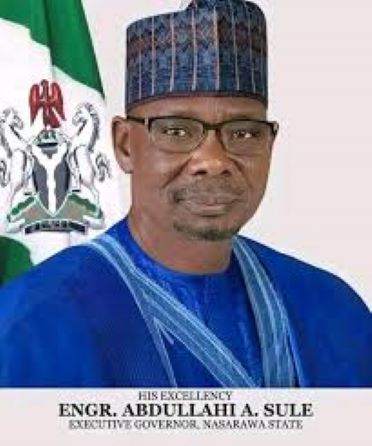
Nasarawa Land, Urban Dev Ministry and Gov Sule’ support
Nasarawa State is witnessing a transformative era in land administration and urban development, largely due to the strategic support and visionary leadership of Governor Abdullahi Sule. The Ministry of Lands and Urban Development has emerged as a paragon of professionalism, transparency, and innovation, significantly improving land management and urban planning across the state. This article explores the ministry’s impressive progress, highlighting the impact of Governor Sule’s appointments, policy reforms, stakeholder engagement, and technological advancements. Through detailed analysis, we uncover how these elements synergize to foster sustainable growth, social harmony, and economic prosperity in Nasarawa.
Professionalization of Land Management in Nasarawa State
A pivotal factor behind the Ministry of Lands and Urban Development’s success is the professionalization of its management team. Governor Abdullahi Sule’s deliberate appointment of individuals with impeccable integrity, academic credentials, and relevant technical expertise has marked a significant departure from past practices. This shift ensures that land administration is handled by qualified professionals who understand the complexities of land laws, urban planning, and sustainable development.
The ministry’s leadership now comprises experts in land surveying, urban planning, property valuation, and law, fostering a culture of accountability and efficiency. This professional approach has enhanced policy formulation and execution, ensuring that land resources are managed with precision and foresight. The technical competence of the team also facilitates better engagement with stakeholders and the public, building trust and cooperation.
By institutionalizing professionalism, the ministry has set new standards for land governance in Nasarawa. This strategic move not only boosts internal efficiency but also attracts investors and partners who seek a transparent and reliable land administration system. Governor Sule’s vision of a modern, well-managed land sector is thus being realized through these expert appointments.
Governor Abdullahi Sule’s Vision and Support
Governor Abdullahi Sule’s commitment to good governance and sustainable development is the driving force behind the Ministry’s achievements. His vision for a prosperous Nasarawa State encompasses transparent governance, economic growth, and social harmony, all of which are reflected in the ministry’s operations and policies. By providing unwavering support and resources, the governor empowers the ministry to implement transformative reforms.
One of the governor’s notable contributions is fostering a culture of inclusiveness and transparency in the land acquisition process. Under his leadership, the ministry actively involves traditional rulers, customary landowners, and other stakeholders to ensure that land transactions are fair and participatory. This approach mitigates conflicts and promotes trust among communities.
Governor Sule’s backing also facilitates inter-agency collaboration, enabling the ministry to align its policies with broader state development goals. His endorsement of e-governance initiatives and ICT integration within the ministry underscores his forward-thinking approach to public service delivery. Overall, the governor’s leadership provides the strategic direction and political will necessary for sustained progress.
Transparent and Inclusive Land Acquisition Processes
Transparency and inclusiveness have become hallmarks of Nasarawa’s land acquisition procedures. The ministry ensures that all land acquisitions for government and investment purposes are conducted openly, involving customary landowners, traditional authorities, and relevant stakeholders. This participatory framework respects local customs and legal requirements, reducing disputes and enhancing legitimacy.
By engaging community leaders and landowners early in the process, the ministry fosters dialogue and consensus-building. This inclusive approach helps address concerns, clarify compensation mechanisms, and ensure equitable distribution of benefits. It also strengthens social cohesion by preventing misunderstandings and grievances related to land ownership and use.
The transparent acquisition process has boosted investor confidence, as businesses are assured of clear titles and lawful land tenure. This has catalyzed economic activities, including industrial, agricultural, and infrastructural developments. Nasarawa’s commitment to openness thus serves as a model for other states seeking to balance development with community rights.
Revenue Generation and Economic Impact
The Ministry of Lands and Urban Development has emerged as one of the highest revenue-generating government agencies in Nasarawa State, second only to the internal revenue board. This remarkable achievement is attributed to efficient land administration, streamlined processes, and innovative revenue streams. As of September 2024, the ministry surpassed its annual revenue targets, reflecting improved financial management and operational effectiveness.
Beyond traditional fees and charges, the ministry is exploring new avenues for revenue generation, including digital services, land use planning fees, and public-private partnerships. A comprehensive framework is being developed to institutionalize these initiatives, ensuring sustainable financial growth that supports state development projects.
Increased revenue enables the ministry to reinvest in urban infrastructure, land development programs, and technological upgrades. The economic impact extends beyond government coffers, as well-planned urban spaces attract businesses, create jobs, and enhance residents’ quality of life. Thus, effective land management directly contributes to Nasarawa’s broader economic prosperity.
Technological Integration and E-Governance Initiatives
In alignment with Governor Sule’s e-governance policy, the Ministry is actively incorporating technology into land administration. Plans are underway to establish a dedicated ICT center within the ministry to facilitate fast, efficient communication and data management. This center will enable real-time collaboration between government agencies, businesses, and citizens, reducing bureaucratic delays and enhancing service delivery.
Digital land records, Geographic Information Systems (GIS), and online application platforms are being integrated to increase transparency and accessibility. These technological tools minimize errors, prevent fraudulent land transactions, and provide stakeholders with accurate, up-to-date information. Such innovations contribute to a more accountable and citizen-friendly land administration system.
The adoption of technology also supports sustainable urban development by enabling data-driven planning and monitoring. With improved digital infrastructure, the ministry can better manage land use, zoning regulations, and environmental conservation efforts, ensuring that urban growth aligns with long-term state objectives.
Conflict Resolution and Social Harmony
Land disputes have historically posed challenges to social stability in Nasarawa State. The Ministry of Lands and Urban Development plays a crucial role in mediating and resolving conflicts involving individuals, communities, and other stakeholders. Through impartial and professional dispute resolution mechanisms, the ministry promotes peaceful coexistence and social harmony.
The involvement of trained staff with knowledge of customary land rights and statutory laws enables the ministry to address disputes effectively. By facilitating dialogue and negotiation, the ministry reduces tensions and prevents escalation into violence. This approach also safeguards the rights of vulnerable groups and ensures equitable outcomes.
Collaborations with traditional rulers and security agencies further strengthen the ministry’s capacity to manage land conflicts. These partnerships enhance enforcement against illegal land occupation and protect government lands designated for public infrastructure, environmental conservation, and social services.
Boundary Demarcation and Inter-State Collaboration
Clear definition and protection of state boundaries are essential for preventing territorial disputes and fostering good neighborly relations. The Ministry works closely with the Nasarawa State Boundary Commission to demarcate and safeguard boundaries with neighboring states such as the Federal Capital Territory (FCT) and Benue State.
Accurate boundary demarcation involves technical surveys, stakeholder consultations, and legal documentation. These processes help resolve ambiguities that often lead to encroachments and conflicts. By maintaining well-defined borders, the ministry supports regional stability and facilitates cooperation on cross-border development initiatives.
The ministry’s proactive approach includes joint monitoring with neighboring states and engagement with federal authorities to uphold boundary agreements. This collaborative spirit reflects Nasarawa’s commitment to peaceful coexistence and integrated regional development.
Combating Land Grabbing and Safeguarding Public Lands
Land grabbing poses a significant threat to Nasarawa’s development agenda, particularly in strategic areas such as the western corridor bordering Abuja. The Ministry of Lands and Urban Development, in partnership with enforcement agencies, is actively combating illegal land occupation to protect public lands earmarked for infrastructural and social projects.
The ministry conducts regular inspections, legal actions, and public awareness campaigns to deter land grabbers. These efforts ensure that government lands are preserved for their intended uses, including roads, schools, healthcare facilities, and environmental conservation zones.
By safeguarding public lands, the ministry not only prevents loss of valuable resources but also promotes equitable access to land for all citizens. This protects the state’s developmental potential and reinforces the rule of law in land governance.
Conclusion
The transformation of Nasarawa State’s land administration and urban development landscape is a testament to visionary leadership, professional management, and inclusive governance. Governor Abdullahi Sule’s unwavering support and strategic appointments have empowered the Ministry of Lands and Urban Development to implement transparent policies, leverage technology, and foster collaboration with stakeholders. These efforts have not only enhanced revenue generation but also promoted social harmony, sustainable urban growth, and economic prosperity. As Nasarawa continues to evolve, the ministry’s commitment to innovation, accountability, and community engagement will remain pivotal in shaping a vibrant and well-planned future for the state’s residents and investors alike.
Originally reported by authorityngr.com. Adapted for our readers.
Recent advances in machine perfusion technology are not only preserving donated livers but also making them biologically younger at a molecular level. This breakthrough…
What happens when human imagination, artificial intelligence, art and technology come together? From September 1 to 6, Samsung Electronics presented a special exhibition themed…