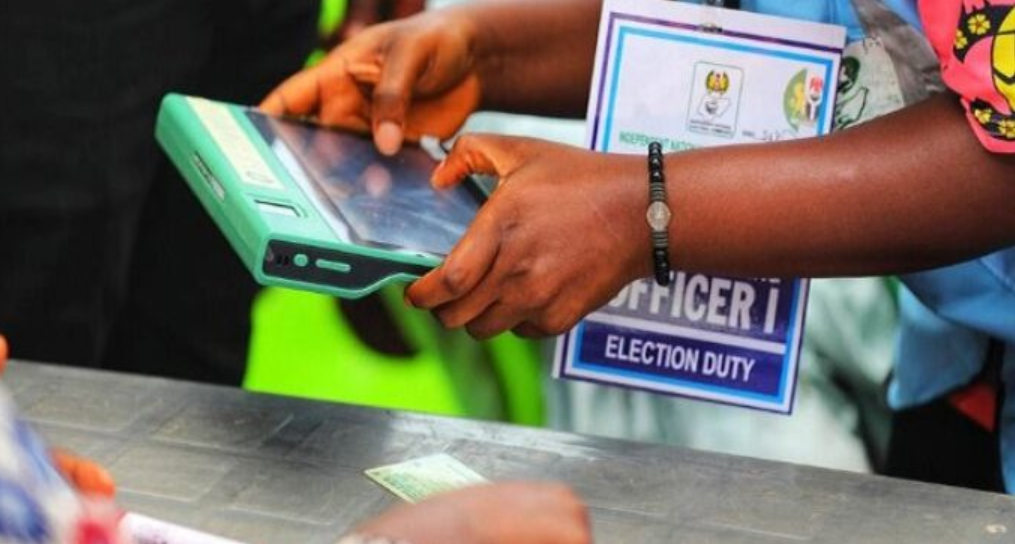
Nasarawa Electoral Commission sets November 2 for local government elections
The Nasarawa State Independent Electoral Commission (NASIEC) has officially scheduled the local government elections for November 2, marking a pivotal moment for grassroots democracy in the state. This announcement comes after the tenure of the current 13 local government chairmen and 147 councillors concludes on October 7. Despite initial legal hurdles that delayed the electoral process, NASIEC’s determination to conduct free, fair, and credible elections underscores its commitment to democratic principles. This article delves into the background of the elections, the legal challenges faced, the election timetable, and the implications for political stakeholders and citizens.
Background of Nasarawa Local Government Elections
Local government elections in Nasarawa State are crucial in promoting grassroots participation in governance. The current local government chairmen and councillors have served their three-year tenure, which ends on October 7. These local officials play a significant role in managing community affairs, delivering basic services, and fostering development at the ward and local government levels.
The Nasarawa State Independent Electoral Commission (NASIEC) is the authorized body responsible for organizing and conducting local government elections in the state. Its mandate includes ensuring that elections are conducted transparently, peacefully, and in line with democratic standards. The upcoming elections are anticipated to renew leadership and strengthen democratic institutions at the local level.
Historically, local government elections in Nasarawa have faced various challenges, including political interference and logistical issues. However, NASIEC’s proactive approach and recent legal victories have set a positive tone for the successful conduct of the 2024 polls.
Legal Challenges and Their Impact on Election Timetable
Initially, NASIEC released a timetable for the local government elections on August 31. However, the process was stalled by a legal case filed by Mr. Paul John and 12 others, which questioned the commission’s authority over critical electoral functions. Specifically, the plaintiffs challenged the powers of the commission’s chairman to announce election results and declare winners for the 13 local government areas and 147 electoral wards.
The lawsuit also contested the commission’s authority to set fees for nomination forms and administrative charges, raising concerns about the legality of election expenses. This legal dispute created uncertainty and delayed the electoral process, causing apprehension among political actors and voters alike.
Fortunately, NASIEC won the case at the Federal High Court in Lafia, and the plaintiffs subsequently withdrew their appeal at the Appeal Court in Makurdi. This legal victory cleared the path for NASIEC to proceed with the elections as scheduled, reaffirming the commission’s statutory powers and reinforcing electoral integrity.
Official Announcement and Election Date
Following the resolution of the legal challenges, NASIEC Chairman Ayuba Wandai officially announced November 2, 2024, as the date for the local government elections in Nasarawa State. This announcement was made during a press conference held in Lafia, the state capital, signaling the commission’s readiness to conduct the polls.
The election will cover all 13 local government areas and 147 electoral wards, where voters will elect new chairmen and councillors. This election marks a critical transition as the current officeholders complete their terms, allowing for democratic renewal and community representation.
Chairman Wandai emphasized the commission’s commitment to conducting a credible election, promising a level playing field for all political parties and candidates. He urged political actors to comply with electoral guidelines and maintain peace throughout the campaign and polling periods.
Election Timetable and Campaign Guidelines
The commission outlined a detailed timetable to guide the electoral process. Political parties are expected to conduct their primaries between October 11 and October 27, allowing ample time to resolve any intra-party disputes before the election day. This structured timeline aims to ensure orderly candidate selection and minimize post-primary conflicts.
Campaign activities are slated to commence on October 18, providing candidates with the opportunity to engage voters and present their manifestos. NASIEC has emphasized the importance of peaceful campaigns and adherence to electoral laws to foster a conducive environment for free expression and voter education.
Additionally, the commission has set clear rules regarding nomination fees and administrative charges to promote transparency and fairness. These measures are designed to prevent financial barriers from undermining democratic participation and to maintain the integrity of the electoral process.
Engagement with Political Parties and Stakeholders
In preparation for the elections, NASIEC held consultations with the Inter-Party Advisory Council (IPAC) in Nasarawa State. This engagement aimed to foster collaboration among political parties and enhance mutual understanding of the electoral framework and expectations.
IPAC’s state chairman and Social Democratic Party (SDP) secretary, Ahmed Musa, commended NASIEC’s resilience and determination to deepen democracy through transparent local government elections. He assured that political parties would abide by existing laws and commission guidelines to ensure a peaceful and credible electoral exercise.
Such collaboration between the electoral commission and political stakeholders is vital in building trust, reducing electoral conflicts, and encouraging active participation from all quarters. It also highlights the collective responsibility to uphold democratic ideals in Nasarawa State.
Significance of Local Government Elections in Nasarawa
Local government elections are fundamental to Nigeria’s democratic architecture as they bring governance closer to the people. In Nasarawa, these elections empower citizens to choose leaders who directly influence development projects, resource allocation, and community welfare.
Effective local governance promotes transparency, accountability, and service delivery at the grassroots level, which is crucial for socio-economic progress. The election of new local government officials provides an opportunity to address local challenges and harness community potentials.
Moreover, these elections serve as a training ground for political leadership and citizen engagement, contributing to the overall strengthening of democracy in Nasarawa State. They also reflect the electorate’s aspirations and priorities, making them a vital component of democratic consolidation.
Challenges and Prospects for the Upcoming Elections
Despite positive developments, the upcoming local government elections in Nasarawa face potential challenges such as political tensions, logistical constraints, and voter apathy. Ensuring security and preventing electoral malpractice remain critical concerns that NASIEC must address to maintain credibility.
The commission’s legal victory and structured timetable are promising signs, but continuous vigilance and stakeholder cooperation are essential to overcoming obstacles. Adequate voter education and transparent electoral processes will be key to enhancing participation and trust.
Looking ahead, successful conduct of these elections could set a precedent for future polls, strengthening democratic institutions and promoting peaceful political competition in Nasarawa State. The elections also offer an opportunity for political renewal and enhanced governance at the grassroots.
Preparing for Election Day: What Citizens Should Know
As November 2 approaches, voters in Nasarawa State are encouraged to verify their registration status and familiarize themselves with their polling units. Being informed about the electoral process and candidates can empower citizens to make educated choices.
NASIEC has pledged to provide a transparent and secure voting environment, but citizens’ cooperation is vital. Voters should adhere to election guidelines, report irregularities, and participate peacefully to uphold the integrity of the elections.
Additionally, community leaders and civil society organizations have a role in mobilizing voters and promoting peaceful conduct. A collective effort between the commission, political actors, and the electorate will be instrumental in ensuring that the local government elections are a success.
Conclusion
The announcement of November 2, 2024, as the date for local government elections in Nasarawa State marks a significant milestone in the state's democratic journey. After overcoming legal hurdles, NASIEC’s readiness to conduct transparent and credible elections reflects its dedication to strengthening grassroots governance. The structured election timetable, engagement with political parties, and commitment to fairness create an optimistic outlook for the polls. As Nasarawa citizens prepare to exercise their voting rights, the successful conduct of these elections will reinforce democratic values, enhance local governance, and promote socio-economic development across the state.
Originally reported by pulse.ng. Adapted for our readers.
Recent advances in machine perfusion technology are not only preserving donated livers but also making them biologically younger at a molecular level. This breakthrough…
What happens when human imagination, artificial intelligence, art and technology come together? From September 1 to 6, Samsung Electronics presented a special exhibition themed…