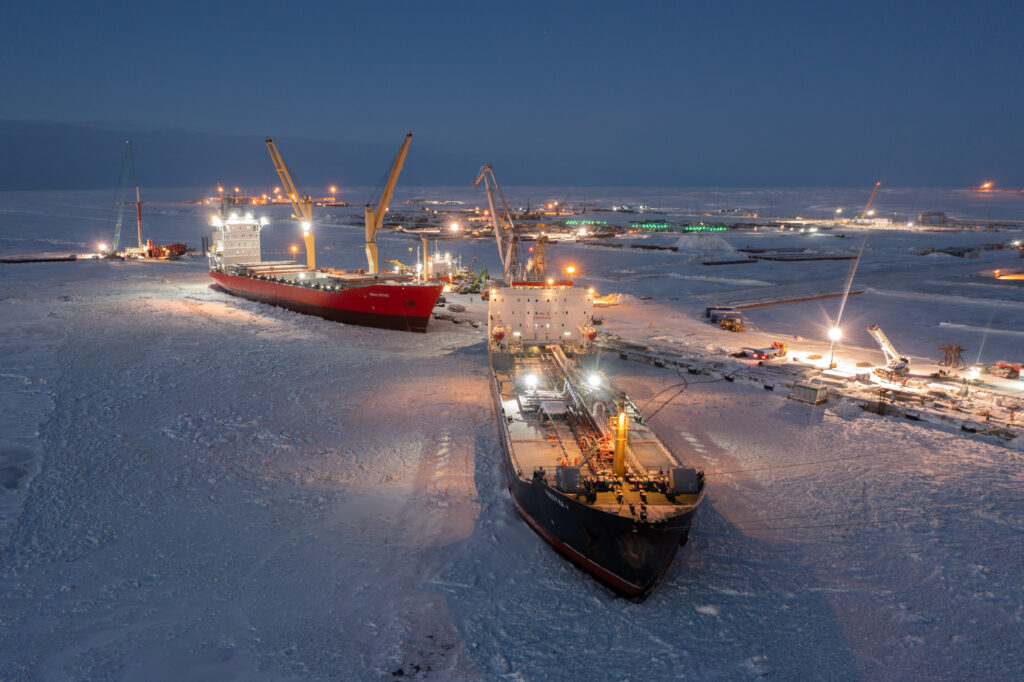
NASA Nighttime Images Reveal Arctic Industrial Activity
The Arctic, traditionally perceived as a vast, frozen wilderness shrouded in prolonged darkness during winter months, is undergoing unprecedented transformations. Warming at nearly four times the global average, the region is witnessing intensified industrial activities that are visibly altering its nocturnal landscape. Utilizing nighttime satellite images, NASA and international researchers have uncovered a striking 5 percent annual increase in artificial lighting over two decades, signaling expanding human influence. This article delves into the data, revealing how industrial expansion, particularly in oil, gas, and mining sectors, is reshaping the Arctic’s environmental and socio-economic fabric.
The Arctic’s Rapid Warming and Its Impact on Industrial Expansion
The Arctic has warmed dramatically in recent decades, with temperatures rising approximately four times faster than the global average. This accelerated warming has led to melting ice, longer ice-free periods, and increased accessibility to natural resources previously locked beneath ice sheets. These environmental changes have opened new avenues for industrial development, including energy extraction, mining, and infrastructure projects.
As the ice recedes, industries are capitalizing on the newly accessible terrain, driving a surge in activities such as oil drilling, gas extraction, and mineral mining. These sectors require extensive infrastructure, including lighting for safety and operational needs, which contributes to the observed increase in artificial illumination across the region.
The growing industrial footprint in the Arctic not only reflects economic interests but also raises concerns about environmental degradation, disruption of ecosystems, and the cultural impact on indigenous communities. Understanding the spatial and temporal patterns of this growth is crucial for managing the region’s future sustainably.
Illuminating the Night: Satellite Technology Unveils Arctic Changes
Nighttime satellite imagery has become an invaluable tool for monitoring human activity in remote regions. The U.S. Defense Meteorological Satellite Program (DMSP) provided foundational data spanning from 1992 to 2013, capturing the gradual brightening of the Arctic night sky. This data reveals a consistent 5 percent annual increase in artificial lighting, signaling expanding industrial operations.
NASA’s Black Marble project, leveraging higher-resolution data from the Visible Infrared Imaging Radiometer Suite (VIIRS) aboard NOAA satellites, offers enhanced capabilities to detect even dimmer light sources. However, challenges persist, such as distinguishing artificial light from natural phenomena like auroras and moonlit snow, which require sophisticated filtering techniques.
These advancements in satellite imaging enable researchers to track real-time changes in Arctic industrial activity, providing critical insights for policymakers and environmental managers tasked with balancing development and conservation.
Geographic Hotspots: Where Industrial Lighting is Most Pronounced
The Russian Arctic emerges as the most significant contributor to increased nighttime illumination, with lit areas expanding by nearly 170,000 square miles—an expanse larger than California. Regions such as Khanty-Mansi and Yamal-Nenets are at the forefront, driven by massive oil field expansions like the Samotlor oil field, one of the largest in the world.
In contrast, the European Arctic accounts for approximately 61,000 square miles of illuminated territory, while the North American Arctic shows a smaller footprint of around 19,000 square miles. Notable industrial sites include Alaska’s Red Dog Mine, recognized globally for its substantial zinc production.
These geographic disparities reflect differing economic priorities, resource availability, and regulatory environments across Arctic nations, shaping the patterns of industrial activity and associated environmental impacts.
The majority of artificial lighting detected in the Arctic is linked to industrial activities rather than residential settlements. Only about 15 percent of lit areas correspond to human habitation, emphasizing the dominant role of extractive industries such as oil and gas extraction, mining, and infrastructure development in lighting the night.
Oil and gas operations require extensive illumination for drilling rigs, pipelines, and transport routes to ensure safety and operational efficiency in the challenging Arctic environment. Similarly, mining operations depend on lighting to maintain continuous work schedules during the region’s prolonged darkness.
These industrial activities often follow cyclical patterns of expansion and contraction, influenced by global commodity prices, technological advancements, and regulatory changes. Such dynamics are reflected in fluctuating nighttime light intensities across different Arctic locations.
Environmental and Ecological Implications of Increased Arctic Illumination
Artificial lighting in the Arctic disrupts natural ecosystems that have evolved under extended periods of darkness. Nocturnal wildlife, including migratory birds, marine mammals, and terrestrial species, can experience altered behaviors, feeding patterns, and reproductive cycles due to light pollution.
Moreover, increased illumination contributes indirectly to climate change by supporting energy-intensive industrial activities that emit greenhouse gases. The expansion of oil and gas extraction further exacerbates the region’s warming, creating a feedback loop that threatens Arctic biodiversity and global climate stability.
Understanding and mitigating the environmental impacts of artificial lighting is critical for preserving the Arctic’s fragile ecosystems. Strategies include implementing lighting designs that minimize ecological disruption and enforcing regulations that limit unnecessary illumination.
Challenges in Monitoring and Managing Arctic Industrial Growth
While satellite imagery provides powerful insights, accurately interpreting Arctic nighttime lights presents challenges. Differentiating between artificial and natural light sources requires advanced algorithms and continuous data refinement. For example, auroras and snow reflectance can create false positives, complicating analysis.
Furthermore, the Arctic’s remoteness and harsh conditions hinder ground-based monitoring efforts, making satellite data indispensable yet sometimes insufficient without complementary on-site observations. Coordinated international efforts are necessary to enhance monitoring accuracy and data sharing.
Effective management of industrial growth must balance economic development with environmental protection and indigenous rights. Transparent data on industrial activity enables informed decision-making and supports regulatory frameworks aimed at sustainable Arctic stewardship.
Future Prospects: Advancing Satellite Monitoring for Arctic Sustainability
Emerging satellite technologies promise higher resolution and more frequent observations, enabling near real-time tracking of Arctic industrial activities. NASA’s ongoing efforts with the Black Marble team exemplify this progress, aiming to provide actionable intelligence for resource management and environmental conservation.
Integrating satellite data with climate models and socioeconomic analyses can help forecast the impacts of industrial expansion, guiding adaptive strategies to mitigate negative outcomes. Collaboration between scientists, policymakers, and indigenous communities will be vital in this endeavor.
Ultimately, harnessing satellite imagery to illuminate the Arctic’s night offers a unique window into the region’s transformation, informing efforts to safeguard its ecosystems while responsibly managing its natural resources.
Conclusion
NASA’s nighttime satellite imagery has unveiled a compelling narrative of the Arctic’s rapid industrial transformation amid a warming climate. The marked increase in artificial lighting, predominantly driven by oil, gas, and mining operations, underscores the profound human footprint extending into this once remote and dark frontier. While industrial growth presents economic opportunities, it also introduces significant environmental and ecological challenges. The continuous advancement of satellite monitoring technologies offers hope for balanced stewardship, enabling stakeholders to track developments accurately and implement sustainable practices. As the Arctic continues to evolve, informed vigilance will be critical to preserving its unique ecosystems and ensuring the region’s resilience in a changing world.
Originally reported by newsweek.com. Adapted for our readers.
Author of the article: Published Sep 18, 2026 11 minute read Article content Kyndryl Canada has been engaged to deliver a commercialization strategy and…
The National Agency for Science and Engineering Infrastructure (NASENI) on Friday 4th September 2026, marked three years of institutional transformation under its Executive Vice…
Municipal Administration Minister P. Narayana speaks to residents after laying the foundation stone for the slum redevelopment project at Velampeta, near Lakshmi Nagar in…