NASA has a fine plan for deorbiting the ISS—unless Russia gets in the way
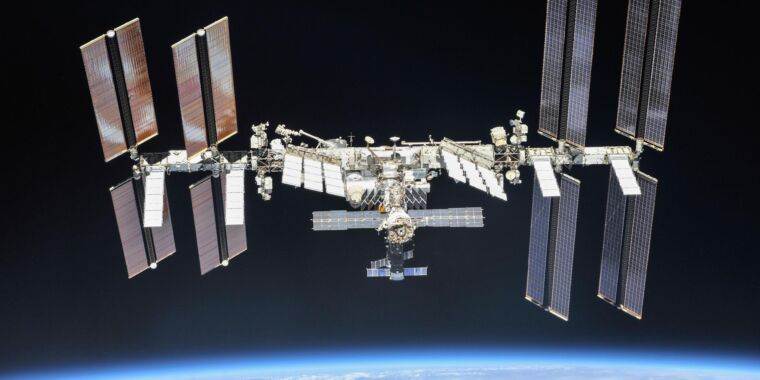
The International Space Station (ISS) represents one of humanity’s most remarkable achievements in international collaboration and space exploration. Since its inception, it has been a symbol of cooperation, scientific progress, and technological innovation. As the ISS approaches the end of its operational life, NASA has proactively developed a comprehensive plan to safely deorbit the massive orbital laboratory, weighing heavily on international cooperation—primarily with Russia’s Roscosmos. However, geopolitical tensions stemming from Russia’s involvement in global conflicts and uncertain future commitments cast a shadow over the deorbit plan’s success. This article delves into NASA’s deorbit strategy, the complexity of the ISS partnership, and the potential hurdles posed by Russia’s stance.
The International Space Station: A Legacy of Global Cooperation
The ISS has been orbiting Earth since 1998, representing a joint venture among NASA, Roscosmos, ESA, JAXA, and CSA. It functions as a microgravity laboratory where astronauts conduct scientific experiments across disciplines such as biology, physics, and Earth sciences. Beyond its scientific value, the ISS stands as a testament to international collaboration, bridging geopolitical divides through shared goals in space exploration.
Over the decades, the ISS has hosted hundreds of astronauts from various countries, enabling numerous technological breakthroughs and advancing human spaceflight capabilities. The station’s modular design allows continuous upgrades and maintenance, extending its operational lifespan well beyond initial expectations.
However, as the ISS ages, concerns about its structural integrity and the sustainability of its systems have grown. Consequently, space agencies have begun planning for its deorbit to ensure a controlled and safe reentry that minimizes risks to people and property on Earth.
NASA’s Deorbit Strategy: A Carefully Engineered Plan
NASA’s approach to deorbiting the ISS involves utilizing advanced spacecraft technology to guide the station’s reentry trajectory over a remote area of the Pacific Ocean, commonly referred to as the spacecraft cemetery. This plan aims to prevent debris from causing harm or damage upon reentry, given the station’s immense mass of over 450 tons.
In June 2023, NASA awarded SpaceX a contract to develop a specialized deorbit vehicle based on the Dragon spacecraft. This vehicle will be responsible for safely maneuvering the ISS out of orbit, applying controlled propulsion to reduce its altitude gradually before initiating reentry procedures. The Dragon’s proven reliability and autonomous capabilities make it an ideal choice for this critical mission.
The deorbiting process will be meticulously monitored and coordinated with international partners to ensure all safety protocols are followed. NASA’s plan also includes contingencies for potential malfunctions, underscoring the complexity and high stakes of safely retiring the ISS.
Russia’s Pivotal Role in the ISS Partnership
Russia, through its space agency Roscosmos, plays a vital role in the ISS’s operations. The Russian segment provides essential functions such as maintaining the station’s altitude and maneuvering it to avoid orbital debris. This symbiotic relationship is crucial because the US segment primarily generates electricity and maintains orientation, while Russia ensures orbital stability.
Roscosmos also supplies Soyuz spacecraft that have historically served as the primary crew transport vehicles to and from the ISS. This contribution is significant for maintaining continuous human presence aboard the station, underscoring Russia’s indispensable role in the partnership.
The interdependence between NASA and Roscosmos has been a cornerstone of the ISS’s success. However, Russia’s commitment to the ISS has recently become uncertain, influenced by broader geopolitical tensions and internal policy shifts.
Geopolitical Tensions: The Russia Factor
The ongoing conflict involving Russia and Ukraine has strained relations between Russia and Western nations, impacting space cooperation. Dmitry Rogozin, the former head of Roscosmos, was openly critical and made veiled threats to withdraw from the ISS program following Russia’s invasion of Ukraine, unsettling the international space community.
Although Rogozin was replaced by Yuri Borisov in 2022, the underlying geopolitical tensions remain unresolved. Russia formally extended its ISS commitment to 2028, while NASA and other partners plan to maintain the station through 2030. This mismatch creates uncertainty for the ISS’s final years and complicates deorbit planning.
If Russia opts to exit the ISS program prematurely, it could disrupt critical station operations, jeopardize safety, and complicate the coordinated deorbit effort. Such a scenario would require rapid adjustments and alternative solutions from NASA and its partners.
Technical Challenges in Coordinated Deorbiting
Deorbiting the ISS is an unprecedented engineering challenge due to its size, complexity, and the need for international coordination. The station’s large mass requires precise control of deorbit thrusters to ensure it reenters Earth’s atmosphere safely without creating hazardous debris fields.
NASA’s plan relies on the collaboration of all ISS partners, including Russia, to manage critical systems during the deorbit maneuver. For example, maintaining the station’s orientation and altitude control throughout the process is essential to avoid uncontrolled descent.
The development of the SpaceX Dragon-based deorbit vehicle is a technological leap forward. However, any disruption in communication or cooperation, particularly from the Russian segment, could pose risks to the mission’s success and endanger the safety of the crew and ground populations.
Implications of a Russian Withdrawal from the ISS
Should Russia withdraw from the ISS program following its 2028 commitment, it would leave the station without a critical partner responsible for key orbital functions. This could lead to increased operational risks and the need for NASA and other partners to compensate for the lost capabilities.
The absence of the Russian Soyuz spacecraft as a crew ferry would also complicate astronaut transportation logistics. Although NASA has developed alternatives such as SpaceX’s Crew Dragon, the loss of redundancy could affect crew safety and scheduling.
Moreover, Russia’s departure could accelerate plans for new space stations or collaborations, such as the Russian-Chinese joint projects. This shift could redefine the future of low-Earth orbit habitation and international space cooperation.
Future Prospects: Post-ISS Era and International Collaboration
NASA and its partners are already exploring concepts for the post-ISS era, including the Lunar Gateway and commercial space stations. These initiatives aim to continue human presence in space while fostering new forms of collaboration and innovation.
The potential fragmentation of the ISS partnership due to geopolitical tensions underscores the importance of diversified and resilient space programs. NASA’s investments in commercial partnerships, such as with SpaceX and Boeing, reflect a strategic pivot towards more autonomous capabilities.
International collaboration remains essential for the sustainable future of space exploration. Efforts to maintain dialogue and cooperation with Russia and other spacefaring nations will be critical to managing the transition from the ISS to the next generation of orbital platforms.
Navigating Uncertainty: NASA’s Commitment to a Safe and Sustainable Space Future
Despite the challenges posed by geopolitical tensions, NASA remains steadfast in its commitment to safely deorbit the ISS and uphold international space cooperation. Continuous engagement with Roscosmos and other partners aims to mitigate risks and ensure transparency in planning.
The agency’s proactive approach, including awarding contracts for deorbit vehicle development and preparing contingency plans, reflects a comprehensive strategy to address uncertainties. NASA’s leadership underscores the importance of diplomacy alongside technical innovation.
Ultimately, the successful deorbiting of the ISS will mark the end of an era and the beginning of a new chapter in human spaceflight. Navigating the complexities of international relations and technical challenges will be crucial to preserving the legacy of the ISS and advancing humanity’s presence in space.
Conclusion
The International Space Station has been a beacon of international partnership and scientific progress for over two decades. As NASA prepares to shepherd the ISS through a carefully engineered deorbit process, the cooperation of all partners, especially Russia, remains vital. While geopolitical tensions present significant challenges, NASA’s proactive planning and commitment to diplomacy offer hope for a safe and successful conclusion to the ISS program. The future of human spaceflight depends not only on technological prowess but also on the ability to navigate complex international relationships, ensuring that the legacy of the ISS endures as humanity embarks on new frontiers.
Originally reported by arstechnica.com. Adapted for our readers.
Recent advances in machine perfusion technology are not only preserving donated livers but also making them biologically younger at a molecular level. This breakthrough…
What happens when human imagination, artificial intelligence, art and technology come together? From September 1 to 6, Samsung Electronics presented a special exhibition themed…